CM Dhami shares live stream of PM Modi's Mann ki Baat
Synopsis
Uttarakhand Chief Minister Pushkar Singh Dhami shared a live link of Prime Minister Narendra Modi's Mann ki Baat on 31 May 2026, continuing the BJP pattern of state leaders amplifying the monthly radio address to broaden its digital reach.
Key Takeaways
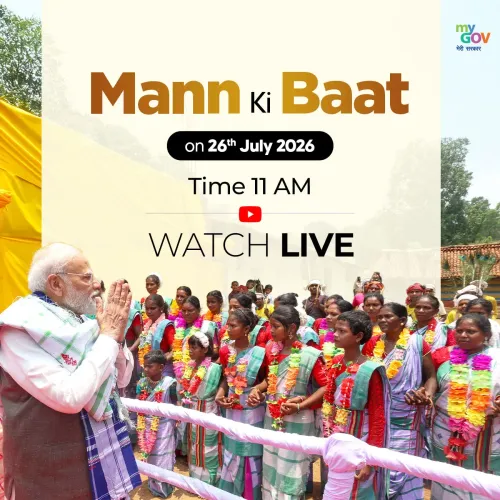
CM Pushkar Singh Dhami shared a live broadcast link of PM Modi 's Mann ki Baat on 31 May 2026 at 11:00 AM IST .
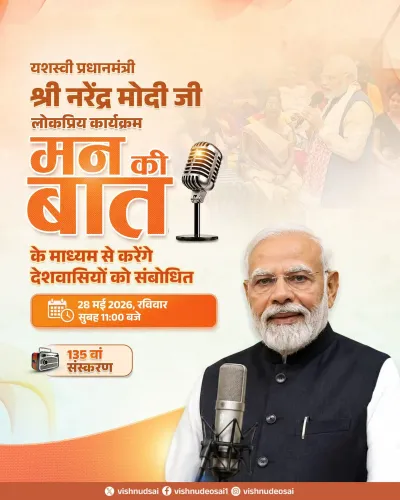
Mann ki Baat is a monthly radio programme launched by PM Modi in October 2014 on All India Radio .
The programme serves as a direct public-outreach platform, highlighting national schemes and governance priorities.
BJP -governed state chief ministers routinely amplify the broadcast on social media to reinforce central-state alignment.
The live stream format extends the programme's reach beyond traditional radio to digitally connected audiences.
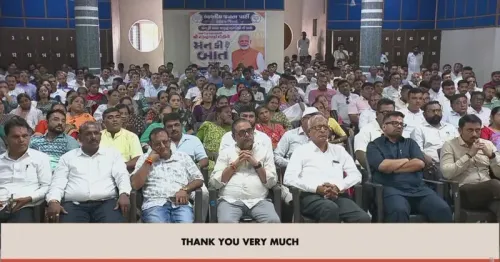
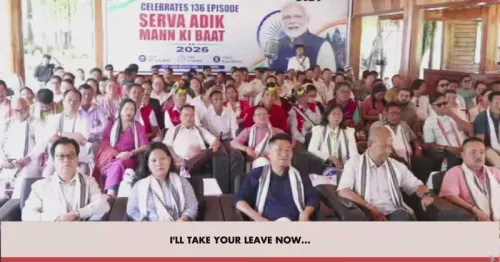
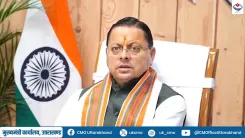
Uttarakhand Chief Minister Pushkar Singh Dhami on Sunday, 31 May 2026, shared a live broadcast link of Prime Minister Narendra Modi's monthly radio programme Mann ki Baat, urging citizens to tune in to the address.
Context
Mann ki Baat — translated as 'words from the heart' — is a monthly radio address delivered by Prime Minister Modi on All India Radio. CM Dhami shared the live stream link on X (formerly Twitter) at 11:00 AM IST, inviting followers to watch the broadcast in real time.
The post reads: 'LIVE: आदरणीय प्रधानमंत्री श्री @NarendraModi जी की 'मन की बात' कार्यक्रम' — meaning, 'LIVE: Respected Prime Minister Shri Narendra Modi ji's Mann ki Baat programme.'
Policy Backdrop
Mann ki Baat was launched by Prime Minister Modi in October 2014 as a direct public-outreach platform on All India Radio. The programme is broadcast on the last Sunday of each month and is simultaneously streamed online, reaching millions of listeners across India.
Over the years, the programme has been used to spotlight national schemes, social campaigns, and governance milestones, bypassing traditional media intermediaries to communicate directly with citizens.
Stakeholders and Impact
State chief ministers and BJP leaders routinely amplify Mann ki Baat broadcasts on social media, reinforcing alignment between state administrations and the central government's communication agenda. CM Dhami's post follows this established pattern, extending the programme's reach to his own follower base in Uttarakhand and beyond.
The programme's audience spans urban and rural India, with the live stream format making it accessible to younger, digitally connected citizens who may not tune in via traditional radio.
What's Next
Mann ki Baat is scheduled monthly, and state governments often follow up with policy references or scheme announcements that align with themes raised by the Prime Minister during each episode. Observers will watch whether the Uttarakhand government references any specific programme content in subsequent policy communications.
Frequently Asked Questions
What is Mann ki Baat?
Mann ki Baat is a monthly radio programme hosted by Prime Minister Narendra Modi on All India Radio, launched in October 2014, in which he addresses citizens directly on governance, national schemes, and social issues.
Why did CM Dhami share the Mann ki Baat live stream?
CM Pushkar Singh Dhami shared the live stream link on 31 May 2026 to amplify the broadcast to his followers, a common practice among BJP-governed state chief ministers to reinforce alignment with the central government's communication agenda.
When is Mann ki Baat broadcast?
Mann ki Baat is broadcast on the last Sunday of every month on All India Radio and is simultaneously streamed online.
How long has Mann ki Baat been running?
Mann ki Baat has been running since October 2014, making it over a decade old as of 2026.
Do other chief ministers also share Mann ki Baat broadcasts?
Yes, BJP-governed state chief ministers and party leaders routinely share Mann ki Baat broadcasts on social media as part of a broader pattern of amplifying the Prime Minister's direct public outreach.