CM Dhami taunts Congress over MLC poll shutout
Synopsis
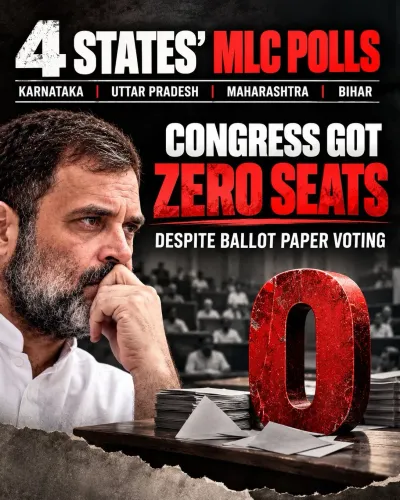
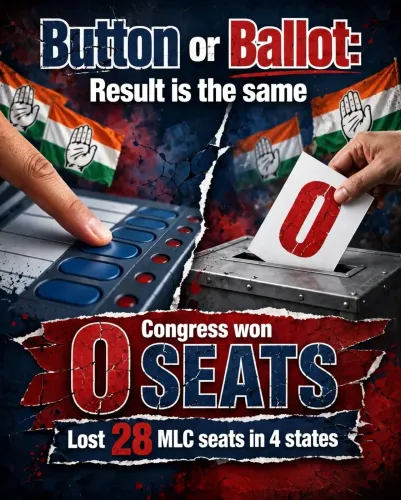
Uttarakhand CM Pushkar Singh Dhami congratulates newly elected members across 28 MLC seats in four states and challenges Congress to introspect after winning zero seats in ballot-paper elections — its own preferred alternative to EVMs.
Key Takeaways
28 MLC seats across Uttar Pradesh, Maharashtra, Bihar and Karnataka were contested and results declared on 28 October 2026 .
These elections were held via ballot paper , not EVMs — making them a direct counter to Congress's recurring EVM-rigging narrative.
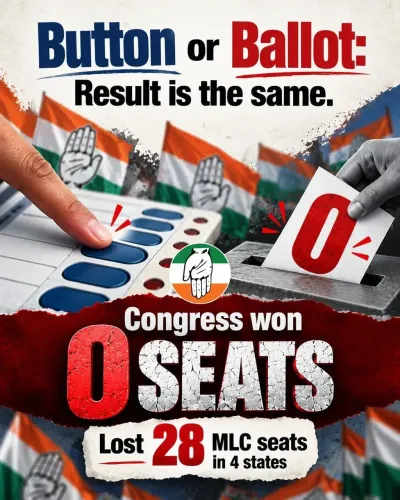
Congress won zero seats across all four states, according to CM Dhami's post.
CM Dhami publicly questioned who within Congress will be held responsible for the defeat.
Dhami called Congress a party of 'divisive and anarchic thinking' that voters have rejected.
The BJP has consistently used ballot-paper losses by Congress to rebut EVM allegations since the 2019 Lok Sabha elections .
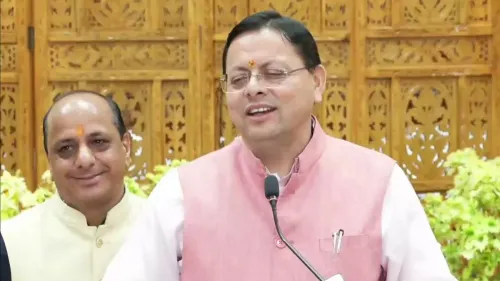
Ballot papers — not EVMs — just delivered a verdict Congress cannot pin on the machines. Uttarakhand Chief Minister Pushkar Singh Dhami on Wednesday, 28 October 2026 congratulated all newly elected members across 28 MLC seats in Uttar Pradesh, Maharashtra, Bihar and Karnataka — and then turned the win into a pointed rebuke of the Congress party.
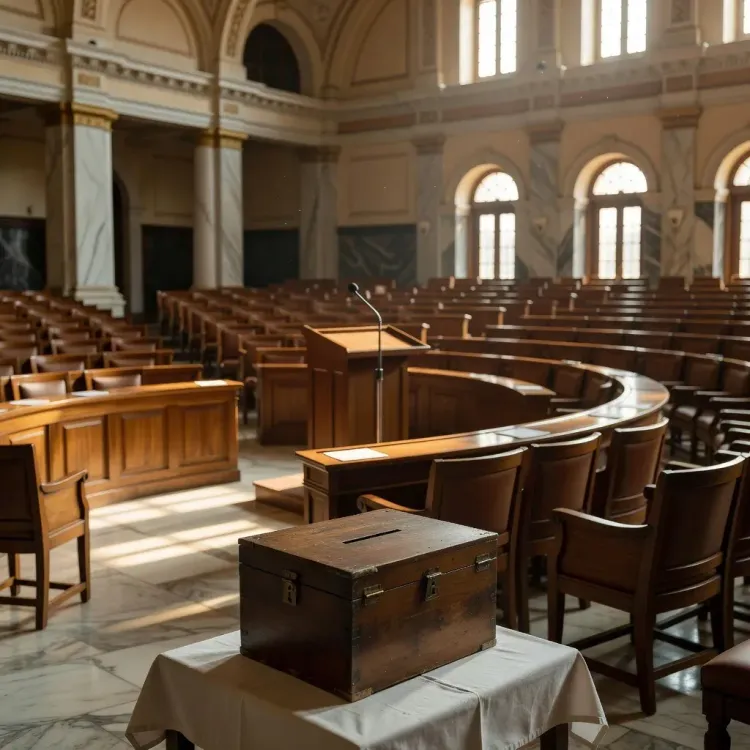
In his post, Dhami wrote: 'Heartiest congratulations and best wishes to all members elected to the 28 MLC seats in Uttar Pradesh, Maharashtra, Bihar and Karnataka. Congress, which questions EVMs and blames the election process for its defeats, should introspect on the results of these elections conducted via ballot paper as well.'
The dig has a sharp edge. For years, senior Congress figures have questioned the reliability of Electronic Voting Machines after a string of losses — most prominently following the 2019 Lok Sabha elections and several subsequent state polls. The argument, repeated in various forms, was that something was wrong with the machines. MLC elections across these four states use secret ballot, not EVMs, making them an awkward data point for that narrative.
Zero seats, no machine to blame
Dhami did not stop at statistics. He sharpened the question: 'Kांग्रेस के खाते में एक भी सीट नहीं आने के बाद अब सवाल यह है कि इस बार हार की जिम्मेदारी किसे दी जाएगी?' — 'After Congress fails to win even a single seat, the question now is: who will be held responsible for this defeat?'
That rhetorical question points at a recurring internal dynamic within the Congress: accountability after electoral reverses has rarely been clean or swift, and the leadership structure has faced criticism from within the party itself after each major setback since 2014.
BJP's counter-narrative on EVM criticism
This post fits a well-worn BJP playbook — every time indirect elections or ballot-paper polls produce an opposition loss, party leaders hold up the result as proof that Congress loses because voters reject it, not because machines are rigged. The pattern has become almost reflexive after each round of legislative council or assembly by-elections in states that still conduct some polls via traditional ballot.
Dhami closed with a broader indictment: 'Congress must now understand that the people of this country will not trust a party that harbours divisive and anarchic thinking.' The framing casts the MLC results not as a local story about seat arithmetic, but as a national-level verdict on the opposition's credibility.
What the four-state sweep signals
Legislative councils in Uttar Pradesh, Maharashtra, Bihar and Karnataka are elected through an electoral college of local body representatives, MLAs, registered graduates and teachers — a very different voter profile from direct elections, but one that still reflects party strength among organised constituencies. A shutout across all four states simultaneously is a significant organisational signal, not a statistical blip.
Whether Congress responds with a rebuttal or stays silent will say something about how the party intends to manage its electoral messaging ahead of the next cycle of state assembly polls — because the EVM debate, once so central to opposition rhetoric, just lost its most convenient escape hatch.
Point of View
The BJP is building a dossier of non-EVM losses to deploy whenever the opposition raises the machine-tampering charge. For Congress, the zero-seat result across four states is a real organisational problem that compounds an already difficult period of internal restructuring. The accountability question Dhami raises publicly is the same one Congress's own dissident voices have been asking privately — and with no machine to blame, the pressure on the leadership will be harder to deflect.
NationPress
28 Oct 2026
Frequently Asked Questions
What are MLC elections and how are they conducted?
MLC stands for Member of Legislative Council — the upper house of a state legislature. These elections are held via secret ballot paper among an electoral college of local body representatives, MLAs, registered graduates and teachers, and do not use Electronic Voting Machines.
Why did CM Dhami mention EVMs in the context of MLC results?
Congress has repeatedly alleged EVM tampering to explain its losses in direct elections. Since MLC polls use ballot paper, Dhami used Congress's zero-seat result to argue the party loses regardless of the voting method, making the EVM argument untenable.
Which four states held MLC elections in October 2026?
The MLC elections referenced in CM Dhami's post covered Uttar Pradesh, Maharashtra, Bihar and Karnataka , with a combined total of 28 seats contested.
How many MLC seats did Congress win in these four states?
According to CM Pushkar Singh Dhami's post on 28 October 2026, Congress did not win a single seat across the 28 MLC seats in Uttar Pradesh, Maharashtra, Bihar and Karnataka.
What is the BJP's standard response to Congress's EVM allegations?
The BJP has consistently pointed to Congress losses in indirect and ballot-paper elections — where EVMs are not used — as evidence that the party's defeats reflect voter rejection rather than any machine malfunction. Dhami's post is the latest instance of this counter-narrative.