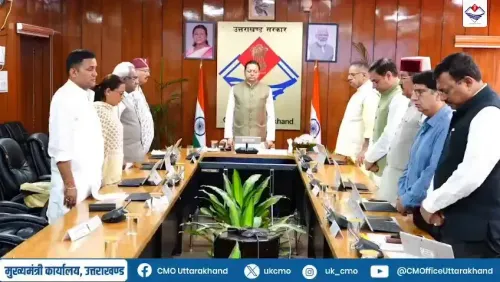
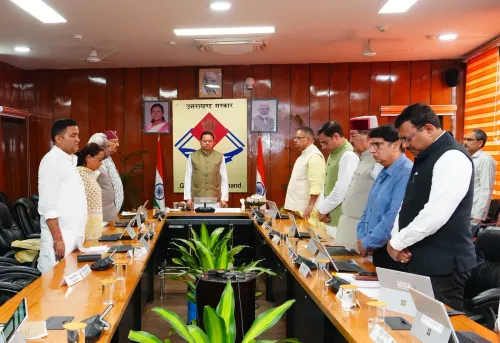
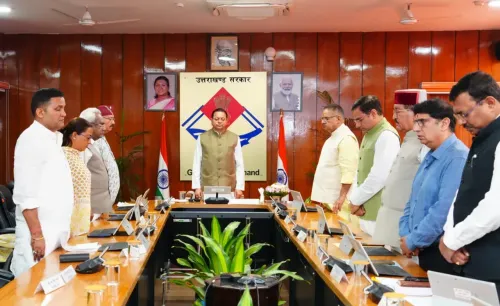
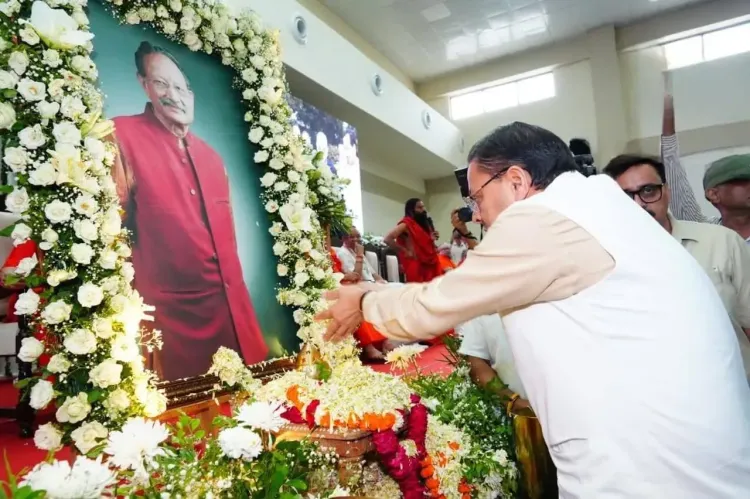
CM Dhami pays tribute to late Maj Gen Khanduri in Dehradun
Synopsis
Uttarakhand Chief Minister Pushkar Singh Dhami attended a condolence assembly in Dehradun on 1 June 2026 to honour late Major General Bhuwan Chandra Khanduri, former Chief Minister and Union Minister, praising his legacy of duty, public service, and state development.
Key Takeaways
CM Pushkar Singh Dhami attended the tribute assembly for late Major General Bhuwan Chandra Khanduri in Dehradun on 1 June 2026 .
Khanduri served as Uttarakhand Chief Minister from 2007 to 2009 , focusing on road connectivity and administrative reform.
He also served as a Union Minister and retired from the Indian Army as a Major General before entering politics.
Dhami described Khanduri as a leader devoted to national interest, public service, and moral values throughout his career.
The condolence assembly was attended by BJP workers and Uttarakhand veterans , reflecting Khanduri's cross-community standing.
Possible state commemorations — including memorials or schemes in Khanduri's name — may be announced in future assembly sessions.
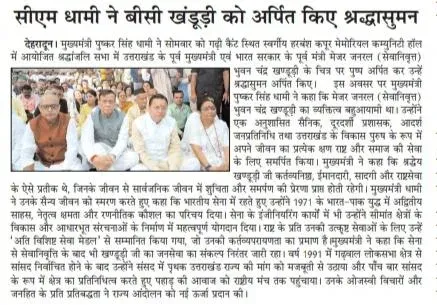
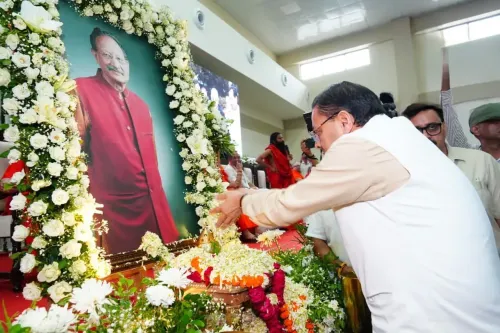
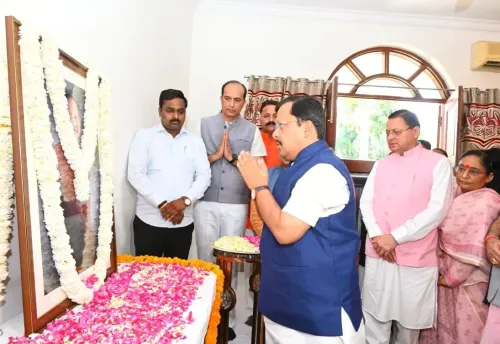
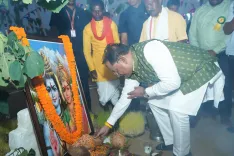
Uttarakhand Chief Minister Pushkar Singh Dhami attended a condolence assembly in Dehradun on Monday, 1 June 2026 to pay floral tributes to the late Major General Bhuwan Chandra Khanduri, former Chief Minister of Uttarakhand and former Union Minister, honouring a leader whose career spanned the Indian Army and public life.
Context
Dhami shared his tribute on X, writing that Khanduri was a personality who had carved a distinct place in the political and social consciousness of Uttarakhand — 'अपने कर्म, कर्तव्यनिष्ठा और सिद्धांतों के बल पर' ['through his deeds, sense of duty, and principles']. The Chief Minister noted that Khanduri's approach to public life was always devoted to national interest, public service, and moral values.
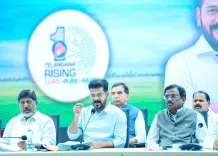
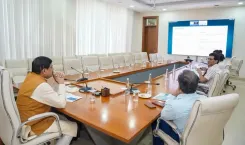
Dhami also wrote that the work done by Khanduri for the development and welfare of Uttarakhand 'सदैव स्मरणीय रहेंगे' ['will always be remembered']. The post was accompanied by four images from the tribute assembly.
Policy Backdrop
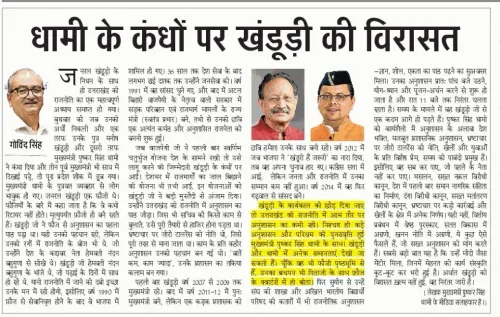
Major General Bhuwan Chandra Khanduri served as Uttarakhand's Chief Minister from 2007 to 2009, a period during which his administration emphasised road connectivity and administrative reforms in the then-nascent hill state, which was carved out of Uttar Pradesh in 2000. His tenure is associated with efforts to strengthen infrastructure in a geographically challenging terrain.
Before entering electoral politics, Khanduri had a distinguished career in the Indian Army, retiring as a Major General — a background that shaped his governance style and earned him broad respect across party lines. He also served as a Union Minister at the Centre, extending his influence beyond state boundaries.
Stakeholders and Impact
BJP workers and Uttarakhand veterans formed a significant part of the gathering at the condolence assembly in Dehradun. Tribute events of this kind for former military officers who entered politics carry particular resonance in hill states, where the armed forces hold deep social standing.
For the current BJP government in Uttarakhand, the assembly also signals institutional continuity — acknowledging the leaders who shaped early state institutions and reinforcing the party's respect for senior figures who bridged military service and democratic governance.
What's Next
Observers will watch for possible decisions by the Uttarakhand state government on memorials, road projects, or welfare schemes named in honour of Khanduri's legacy, which may surface in coming assembly sessions. Such commemorative gestures are a common feature of Indian state politics following the passing of senior leaders who made lasting infrastructure contributions.
The tribute in Dehradun underlines the continued relevance of Khanduri's work to Uttarakhand's political identity, and the government's acknowledgement of that legacy is likely to shape how the state commemorates its founding-era leaders going forward.
Point of View
Rather than a mere written statement, signals the BJP's deliberate effort to maintain continuity with Uttarakhand's founding political generation. Khanduri represents a rare archetype in Indian politics — a military officer who transitioned into elected governance and shaped early state institutions — and honouring that legacy publicly reinforces the party's claim to the hill state's administrative heritage. The tribute also arrives at a moment when BJP governments across India have been keen to project institutional respect for senior leaders, especially those with armed-forces backgrounds. How the state government translates this public acknowledgement into concrete commemorative policy will be a meaningful indicator of Dhami's longer-term governance priorities.
NationPress
15 Oct 2026
Frequently Asked Questions
Who was Major General Bhuwan Chandra Khanduri?
Major General Bhuwan Chandra Khanduri was a retired Indian Army officer who served as Chief Minister of Uttarakhand from 2007 to 2009 and also held office as a Union Minister. He was a senior BJP leader known for emphasising road connectivity and administrative reforms in the hill state.
Why did CM Dhami attend the condolence assembly in Dehradun?
Uttarakhand Chief Minister Pushkar Singh Dhami attended the tribute assembly on 1 June 2026 to pay floral tributes to the late Khanduri, honouring his contributions to Uttarakhand's development, governance, and public welfare.
What did Khanduri do for Uttarakhand as Chief Minister?
During his 2007-2009 tenure, Khanduri's administration focused on road connectivity and administrative reforms in Uttarakhand, a state that had only been formed in 2000 and required significant infrastructure development.
What did CM Dhami say about Khanduri's legacy?
Dhami said Khanduri had earned a distinct place in Uttarakhand's political and social consciousness through his deeds, sense of duty, and principles, and that his work for the state's development and welfare would always be remembered.
Will Uttarakhand government announce any memorial for Khanduri?
No official announcement has been made yet. Observers expect possible decisions on memorials, road projects, or welfare schemes in Khanduri's name to emerge in coming Uttarakhand assembly sessions.