CM Dhami: Uttarakhand youth get jobs on merit, not connections
Synopsis
Chief Minister Pushkar Singh Dhami declared on 3 July 2026 that Uttarakhand youth are now securing government jobs purely on merit and transparency, free from the parchi-kharchi culture, sharply contrasting his administration with previous governments accused of enabling recruitment mafias.
Key Takeaways
CM Pushkar Singh Dhami stated on 3 July 2026 that Uttarakhand youth are getting government jobs without bribery or political patronage ( parchi-kharchi ).
The CM explicitly accused previous state governments of nurturing 'mafias' who crushed the aspirations of young job-seekers.
The BJP has governed Uttarakhand since 2017 ; Dhami has been Chief Minister since March 2021 .
Recruitment bodies such as the Uttarakhand Public Service Commission and the Subordinate Services Selection Commission are central to the state's hiring framework.
The statement is part of a broader BJP-led pattern of political messaging on merit-based public employment across its ruled states.
Independent verification of recruitment outcomes will depend on official data and any related judicial or legislative developments.
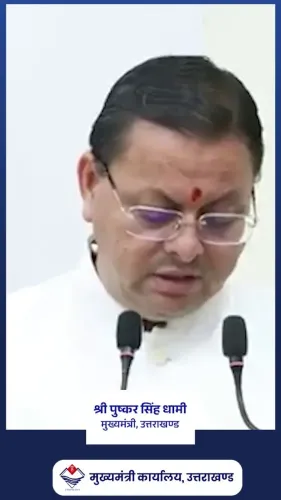
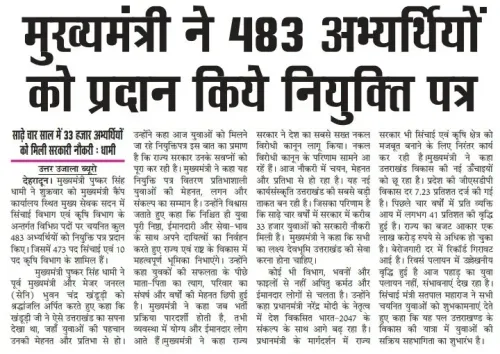
The Chief Minister's Office of Uttarakhand, on Friday, 3 July 2026, shared a statement from Chief Minister Pushkar Singh Dhami asserting that the state's young job-seekers are now receiving government employment strictly on the basis of transparency, merit, and capability — without the need for any intermediary or patronage.
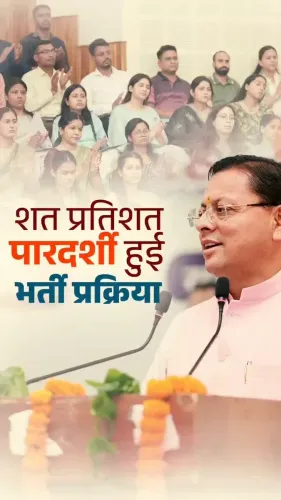
Quoting CM Dhami directly, the post stated: 'Aaj hum vishwas ke saath keh sakte hain ki pradesh ke yuvaon ko bina kisi parchi-kharchi ke, pardarshita, yogyata aur kshamata ke aadhar par naukri mil rahi hai.' ('Today we can say with confidence that the youth of the state are getting jobs without any parchi-kharchi — without slips or bribes — on the basis of transparency, merit, and capability.')
The statement went on to contrast the current dispensation with previous governments, alleging that earlier administrations had 'nurtured and promoted mafias who crushed the dreams of youth.'
Context
The term parchi-kharchi — literally meaning 'slip and expenditure' — is a colloquial reference to the practice of securing government jobs through political connections or cash payments to middlemen. CM Dhami's use of this phrase is a pointed rhetorical signal, invoking a widely understood grievance among young job aspirants across Uttarakhand.
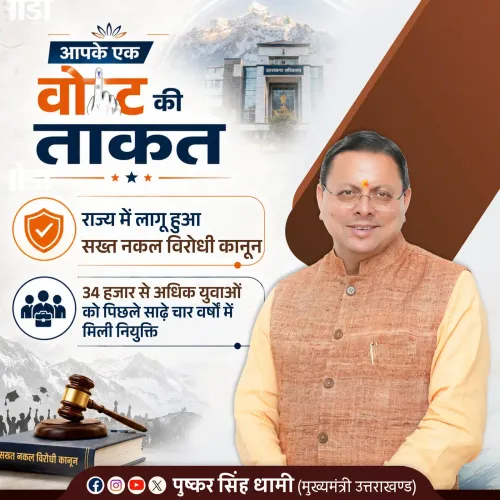
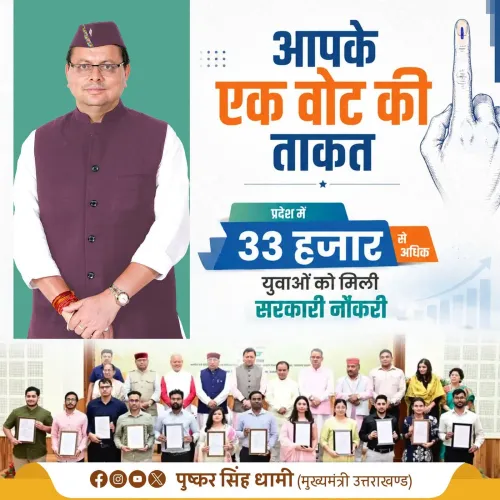
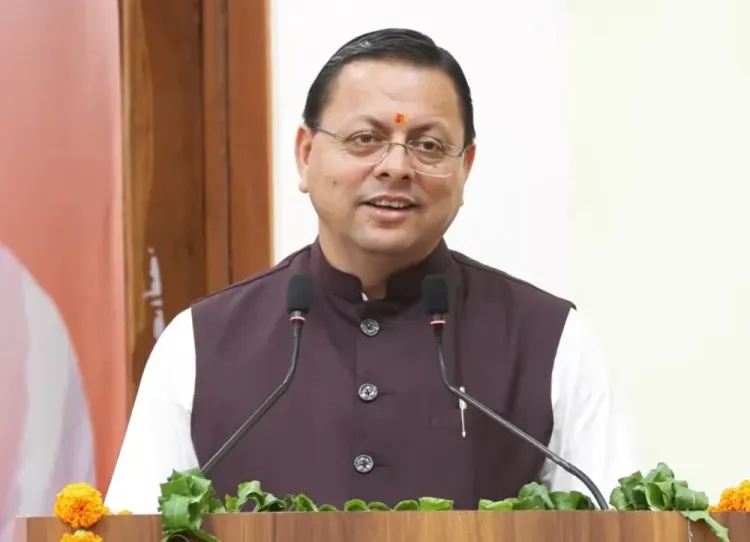
The statement was accompanied by an image, suggesting it may have been part of a broader communication campaign timed to highlight the government's record on public employment. The Bharatiya Janata Party has held power in Uttarakhand since 2017, with the current Dhami government in office since March 2021.
Policy Backdrop
Since the 2017 assembly elections, the Uttarakhand state administration has introduced measures aimed at digitising recruitment applications and results, positioning these as safeguards against irregularities in government hiring. Bodies such as the Uttarakhand Public Service Commission and the Subordinate Services Selection Commission have been central to the state's recruitment ecosystem.
Across BJP-ruled states, merit-based public employment has been a recurring political messaging theme, with governments frequently contrasting their recruitment practices against those of prior administrations. CM Dhami's statement fits squarely within this broader pattern of political communication on governance and youth employment.
Stakeholders and Impact
The primary stakeholders are Uttarakhand's young job aspirants — a demographic that has historically been vocal about perceived irregularities in state recruitment processes. For many families in the hill state, a government job represents economic security and social mobility, making recruitment integrity a politically sensitive issue.
The opposition, which the CM's statement implicitly targets through the reference to 'previous governments,' is likely to contest these claims. Whether the assertion translates into measurable improvement in recruitment outcomes remains a matter for independent scrutiny through official data from recruitment bodies.
What's Next
Observers will watch for forthcoming notifications, examination schedules, and results from the Uttarakhand Public Service Commission and related bodies, which will provide concrete evidence against which these claims can be assessed. Any related legislative developments or judicial proceedings touching on recruitment processes in the state will also be closely tracked.
As Uttarakhand approaches its next electoral cycle, the government's record on transparent public employment is likely to remain a central axis of political contestation — making statements like CM Dhami's an early marker of the narrative the ruling party intends to build.
Point of View
The BJP is attempting to consolidate its image as a party that dismantled a patronage-driven system. However, such assertions carry political risk: they invite direct scrutiny of recruitment data, and any high-profile irregularity under the current dispensation could undercut the message sharply. The statement also signals that youth employment will remain a central battleground in Uttarakhand politics, with both the ruling party and the opposition likely to contest the record aggressively.
NationPress
1 Oct 2026
Frequently Asked Questions
What did CM Pushkar Singh Dhami say about government jobs in Uttarakhand?
CM Dhami stated on 3 July 2026 that Uttarakhand youth are now getting government jobs on the basis of transparency, merit, and capability — without the need for bribes or political connections, a practice locally known as parchi-kharchi .
What is parchi-kharchi in the context of government jobs?
Parchi-kharchi is a colloquial Hindi phrase meaning 'slip and expenditure,' referring to the practice of securing government employment through political recommendation slips or cash payments to middlemen, rather than on merit.
Which party governs Uttarakhand and since when?
The Bharatiya Janata Party has governed Uttarakhand since 2017. Pushkar Singh Dhami has served as Chief Minister since March 2021.
Which bodies conduct government recruitment in Uttarakhand?
The primary recruitment bodies in Uttarakhand are the Uttarakhand Public Service Commission (UKPSC) and the Subordinate Services Selection Commission (UKSSSC), which conduct examinations and selections for state government posts.
What did CM Dhami say about previous governments and recruitment?
CM Dhami alleged that previous state governments had nurtured and promoted 'mafias' who crushed the dreams of young job aspirants, contrasting that era with the current administration's stated emphasis on merit-based hiring.