CM Dhami Highlights Uttarakhand Youth as Job Creators
Synopsis
Uttarakhand Chief Minister Pushkar Singh Dhami on 30 May 2026 posted on X celebrating the state's youth as emerging job creators, echoing the national Startup India and Atmanirbhar Bharat narrative and signalling a continued state-level push for self-employment and entrepreneurship.
Key Takeaways
CM Pushkar Singh Dhami posted on 30 May 2026 that Uttarakhand's youth are becoming job creators, not job seekers.
The message aligns with the national Startup India and Atmanirbhar Bharat policy framework promoted since 2014 .
Uttarakhand's economy — centred on tourism, hydropower, and services — makes self-employment especially critical given limited industrial employment options.
Out-migration from hill districts remains a structural challenge that youth entrepreneurship schemes are intended to address.
Upcoming state budget sessions will be watched for fresh allocations to startup incubators and skill-to-enterprise programmes.
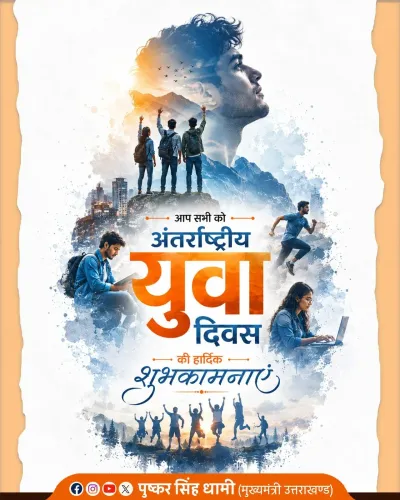
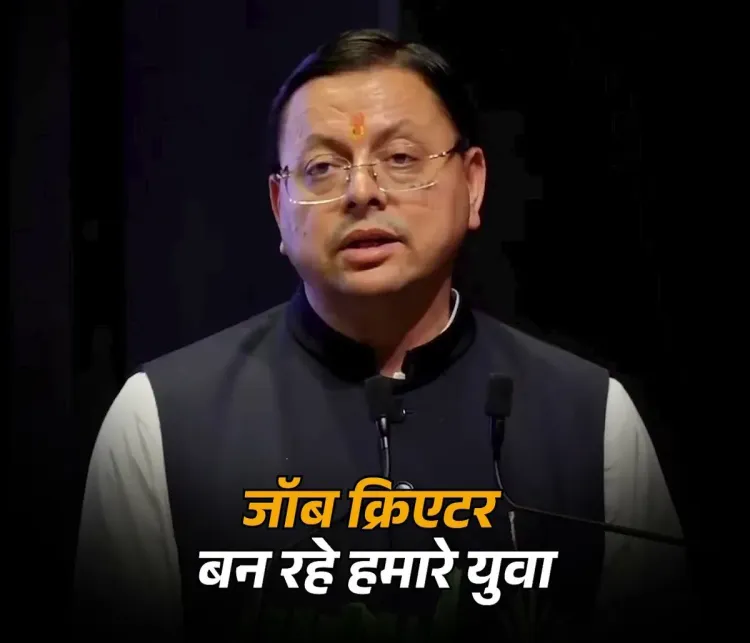
Uttarakhand Chief Minister Pushkar Singh Dhami on Saturday, 30 May 2026 celebrated the entrepreneurial rise of the state's youth, declaring on X that young people in Uttarakhand are becoming job creators rather than job seekers. The brief but pointed post — 'Job creator ban rahe hamare yuva' ('Our youth are becoming job creators') — signals the state government's continued emphasis on self-employment and startup culture as a development priority.
Context
The post reflects a deliberate policy narrative that BJP-led state governments, including Uttarakhand, have championed in alignment with the national thrust on entrepreneurship. Chief Minister Dhami, who has been in office since March 2021, has consistently positioned youth empowerment as central to the state's growth agenda. The framing — 'job creator' rather than 'job seeker' — is a rhetorical cornerstone of India's post-2014 economic messaging.
Uttarakhand's economy, traditionally anchored in tourism, hydropower, and government employment, has in recent years seen efforts to diversify toward services, agri-entrepreneurship, and small-scale manufacturing. The state's hilly terrain and limited flat land make large industrial employment difficult, making self-employment and startup promotion especially relevant.
Policy Backdrop
The ideological lineage of this messaging traces to the Startup India initiative launched by the central government and the broader Atmanirbhar Bharat programme, both of which seek to transform India's workforce from wage-dependent to enterprise-driven. State governments have been encouraged to build complementary ecosystems — incubators, seed funding, skill-to-enterprise pipelines — to give this national vision a local shape.
In Uttarakhand, schemes targeting rural youth, women entrepreneurs, and first-generation business owners have been part of successive state budgets. The state's proximity to major Himalayan tourist circuits also creates niche opportunities in hospitality, adventure tourism, and handicrafts — sectors where self-employment is a natural fit.
Stakeholders and Impact
The primary beneficiaries of this policy orientation are Uttarakhand's young population, particularly those in semi-urban and rural areas where formal private-sector jobs remain scarce. Entrepreneurship-focused schemes can reduce the long-standing trend of out-migration from hill districts, a demographic challenge that has hollowed out many villages in the state.
Small business owners, self-help groups, and aspiring startup founders stand to gain if the government backs its messaging with fresh budgetary allocations. Investors and incubators operating in the Dehradun region are also stakeholders, as a more vocal state push typically translates into easier access to government-linked support infrastructure.
What's Next
Observers will watch upcoming Uttarakhand legislative sessions and state budget presentations for concrete announcements — fresh allocations for startup incubators, expanded skill-development schemes, or new self-employment credit guarantees — that would give substance to CM Dhami's public messaging. A sustained pattern of such posts, combined with policy action, would indicate a coordinated communication campaign ahead of a potential policy rollout. The broader question is whether the state can translate the 'job creator' aspiration into measurable outcomes in a geography where enterprise-building faces structural challenges.
Point of View
The 'job creator' frame is as much a governance promise as it is a political message. The credibility of that promise will ultimately rest on whether budgetary and institutional support follows the rhetoric.
NationPress
15 Oct 2026
Frequently Asked Questions
What did CM Pushkar Singh Dhami say about Uttarakhand youth on 30 May 2026?
CM Dhami posted on X that Uttarakhand's youth are becoming job creators, using the Hindi phrase 'Job creator ban rahe hamare yuva', reflecting the state's push for entrepreneurship over wage employment.
What is the Startup India initiative and how does it relate to Uttarakhand?
Startup India is a central government programme launched after 2014 to promote entrepreneurship and self-employment. Uttarakhand, like other BJP-led states, has aligned its youth and skill policies with this national framework.
Why is youth self-employment especially important in Uttarakhand?
Uttarakhand's hilly terrain limits large-scale industrial employment, making self-employment and entrepreneurship critical to retaining youth in hill districts and reducing out-migration.
What schemes support youth entrepreneurship in Uttarakhand?
The state has introduced skill-development and self-employment schemes targeting rural youth, women entrepreneurs, and first-generation business owners, often linked to national programmes like Atmanirbhar Bharat.
What should we watch for after CM Dhami's job creator post?
Upcoming Uttarakhand legislative sessions and budget presentations are key to watch for fresh allocations to startup incubators, skill-to-enterprise pipelines, or new self-employment credit guarantees.