CM Dhami Vows to Build Viksit Uttarakhand With PM Modi's Guidance
Synopsis
Uttarakhand Chief Minister Pushkar Singh Dhami on 5 July 2026 declared full confidence in achieving a developed Uttarakhand, anchoring the pledge on PM Modi's guidance, central government support, and the active participation of the state's 1.25 crore residents.
Key Takeaways
CM Pushkar Singh Dhami posted on X on 5 July 2026 reaffirming his government's 'Viksit Uttarakhand' resolve.
The pledge explicitly cites three pillars: PM Modi's guidance , central government cooperation , and 1.25 crore residents' participation .
The 'Viksit Uttarakhand' framing aligns directly with the national Viksit Bharat 2047 vision articulated by the Prime Minister.
Uttarakhand , formed in 2000 , continues to depend significantly on central transfers for infrastructure and development funding.
The statement reflects a broader pattern of BJP-led state governments aligning local development rhetoric with central policy priorities under cooperative federalism.
Upcoming state budget presentations and central assistance announcements for Uttarakhand infrastructure and tourism will be key indicators of follow-through.
Uttarakhand Chief Minister Pushkar Singh Dhami on Sunday, 5 July 2026, reaffirmed his government's commitment to building a developed Uttarakhand, citing the guidance of Prime Minister Narendra Modi, central government support, and the participation of the state's 1.25 crore residents as the three pillars of that mission.
Context
Posting on X, CM Dhami wrote — 'पूर्ण विश्वास है कि आदरणीय प्रधानमंत्री जी के मार्गदर्शन, केंद्र सरकार के सहयोग और 1.25 करोड़ प्रदेशवासियों की सहभागिता से हम विकसित उत्तराखंड के संकल्प को अवश्य सिद्ध करेंगे।' — ('I have full confidence that with the guidance of the respected Prime Minister, the cooperation of the central government, and the participation of 1.25 crore residents of the state, we will certainly fulfil the resolve of a developed Uttarakhand.')
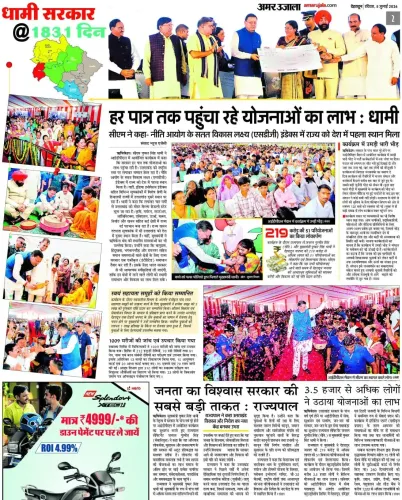
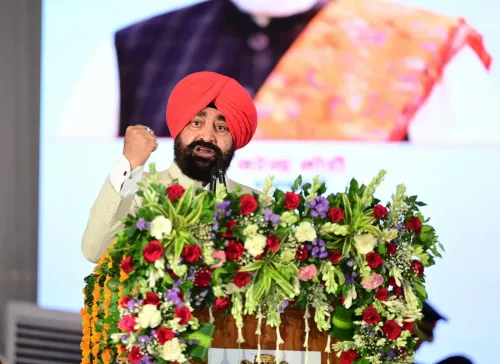
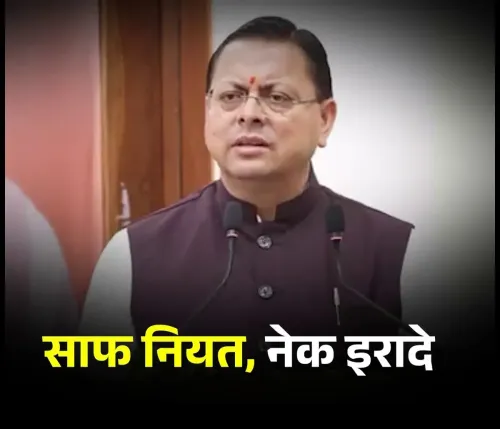
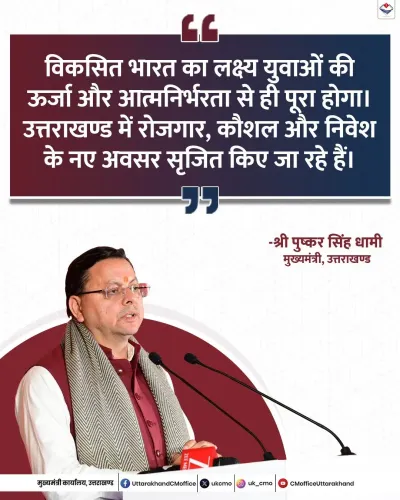
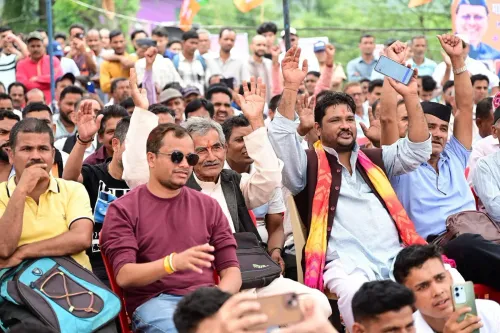
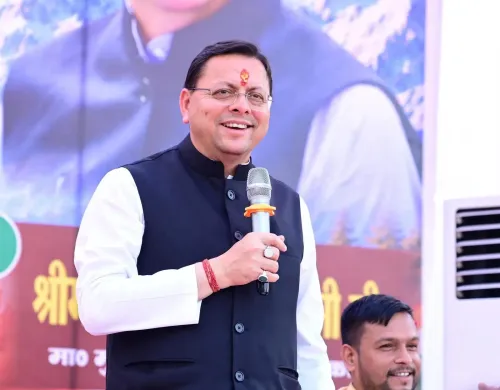
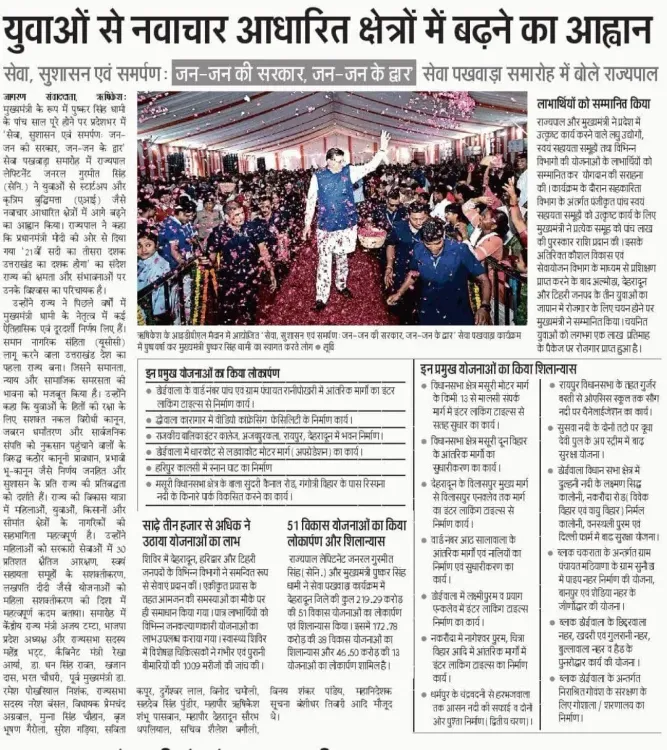
The statement came alongside three images shared in the post, underscoring the administration's intent to publicly anchor its development narrative around this tripartite framework of central leadership, federal partnership, and citizen ownership.
Policy Backdrop
The phrase 'Viksit Uttarakhand' mirrors the national Viksit Bharat vision articulated by Prime Minister Modi — a roadmap targeting a fully developed India by 2047, the centenary of independence. BJP-governed states have progressively adopted this vocabulary, framing local development targets as direct contributions to the national goal.
Uttarakhand, carved out of Uttar Pradesh in 2000 to address the Himalayan region's distinct development aspirations, has historically relied on central transfers and tourism revenues. Infrastructure connectivity, disaster resilience, and mountain-economy diversification remain the state's core policy priorities under the current administration.
CM Dhami, who assumed office in 2021, has consistently positioned his government's agenda within the broader cooperative federalism model, where state execution is presented as inseparable from central policy direction and funding.
Stakeholders and Impact
The explicit invocation of 1.25 crore Uttarakhand residents as active participants — not passive beneficiaries — signals a governance communication strategy that emphasises public ownership of development outcomes. This framing is consistent with the participatory rhetoric seen across BJP-governed states in alignment with central messaging.
Key stakeholders include communities in hill districts dependent on central schemes for road connectivity and livelihood support, as well as the urban centres of Dehradun and Haridwar that anchor the state's economic activity. Tourism-dependent populations and infrastructure contractors tied to central project pipelines are also directly affected by the pace of federal cooperation the Chief Minister is highlighting.
What's Next
Attention will now turn to concrete follow-through: state budget allocations, announcements of centrally sponsored infrastructure projects, and any formal communication between Dehradun and New Delhi on pending approvals for Uttarakhand's development pipeline. The Chief Minister's public reaffirmation of this resolve sets a benchmark against which upcoming policy decisions will be measured. Whether the 'Viksit Uttarakhand' pledge translates into specific scheme timelines or funding commitments is the next test of the administration's stated confidence.
Point of View
The Chief Minister simultaneously signals loyalty to the central leadership and claims grassroots ownership of outcomes. This dual framing insulates the state government from accountability gaps: credit for success flows upward to the Centre while participation language distributes responsibility outward to residents. The 'Viksit Uttarakhand' pledge fits a well-established pattern across BJP-governed states of localising the Viksit Bharat narrative, effectively making the 2047 national vision the organising principle of state-level governance communication. The real test will come when specific projects, budgets, and timelines are put on the table.
NationPress
5 Jul 2026
Frequently Asked Questions
What is Viksit Uttarakhand?
'Viksit Uttarakhand' is the Uttarakhand government's development vision modelled on the national 'Viksit Bharat' goal of building a fully developed India by 2047, focusing on infrastructure, tourism, and mountain-economy growth in the state.
What did CM Dhami say on X on 5 July 2026?
CM Pushkar Singh Dhami expressed full confidence that with PM Modi's guidance, central government support, and the participation of 1.25 crore Uttarakhand residents, the state would fulfil its resolve of becoming a developed Uttarakhand.
What is Viksit Bharat and how does it relate to Uttarakhand?
Viksit Bharat is PM Narendra Modi's national vision for a developed India by 2047. Uttarakhand, like several other BJP-governed states, has adopted aligned state-level goals — branded as 'Viksit Uttarakhand' — as part of cooperative federalism.
When was Uttarakhand formed and what are its development priorities?
Uttarakhand was formed on 9 November 2000 from Uttar Pradesh. Its key development priorities include Himalayan infrastructure connectivity, disaster resilience, tourism expansion, and reducing dependence on central fiscal transfers.
Who is Pushkar Singh Dhami?
Pushkar Singh Dhami is the Chief Minister of Uttarakhand and a senior BJP leader who assumed office in 2021. He has consistently aligned the state's governance agenda with central government priorities under PM Modi.