CM Dhami: Making Single Women Self-Reliant is Govt Priority
Synopsis
Chief Minister Pushkar Singh Dhami has declared that making single women self-reliant is a government priority in Uttarakhand, a hill state where male out-migration leaves many households dependent on women. The statement signals a likely policy push targeting pensions, skills, and financial support for this vulnerable group.
Key Takeaways
The Chief Minister's Office of Uttarakhand stated on 23 July 2026 that making single women self-reliant is a government priority.
CM Pushkar Singh Dhami is credited with the statement, reinforcing his administration's focus on women's welfare.
Uttarakhand has high male out-migration, making women-headed households a significant and vulnerable demographic.
Previous state governments have offered pensions, financial aid, and skill programmes for single and widowed women, and this declaration may precede expanded measures.
Specific scheme names, budget allocations, and implementation timelines were not disclosed in the post.
Observers will track forthcoming assembly sessions and government orders for concrete policy follow-through.
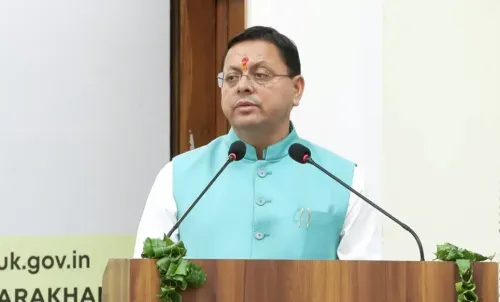
The Chief Minister's Office of Uttarakhand, on behalf of Chief Minister Pushkar Singh Dhami, declared on Thursday, 23 July 2026 that empowering single women and making them self-reliant is a stated priority of the Uttarakhand government.
Context
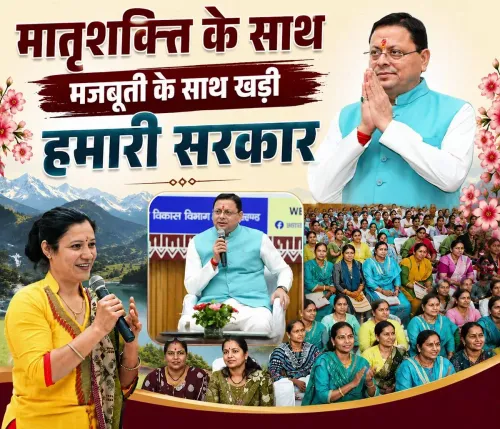
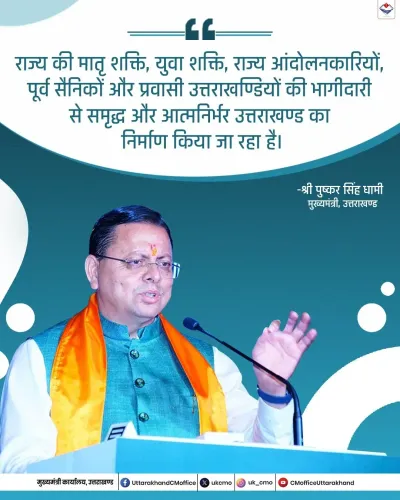
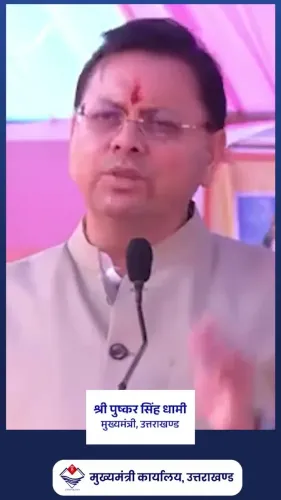
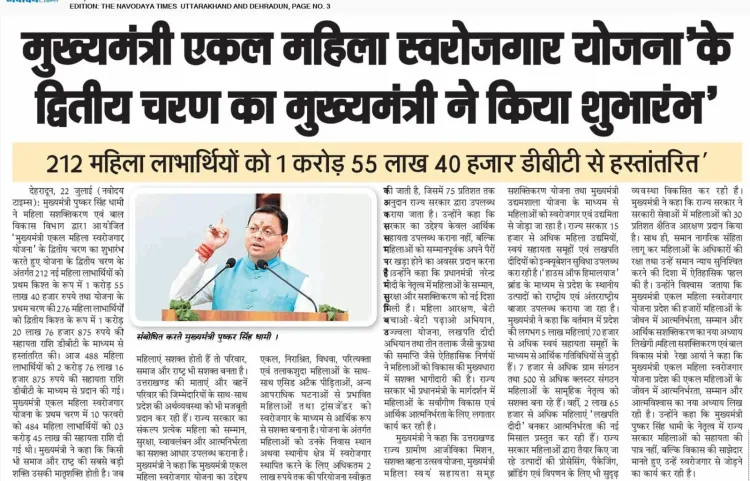
The post, shared by the official Chief Minister's Office account, quotes CM Dhami directly: 'एकल महिलाओं को आत्म निर्भर बनाना सरकार की प्राथमिकता' ('Making single women self-reliant is the government's priority'). The statement signals a renewed public commitment to a demographic group that has long faced economic vulnerability in the hill state.
Uttarakhand has one of the highest rates of male out-migration among Indian states, leaving a large share of households effectively headed by women. Many of these women — widowed, separated, or otherwise without a male earning member — fall into the category the government refers to as 'single women' (ekal mahilaen).
Policy Backdrop
Successive governments in Uttarakhand have periodically announced welfare measures targeting single and widowed women, including pensions, financial assistance, and skill-development programmes aimed at economic independence. The broader framework aligns with central government schemes such as the PM Vishwakarma Yojana, self-help group linkages under NRLM, and state-level livelihood missions.
Chief Minister Pushkar Singh Dhami, who has been in office since 2021, has previously highlighted women's welfare as a focus area of his administration. A public declaration of this kind from the Chief Minister's Office typically precedes or accompanies a formal policy announcement, budget allocation, or scheme expansion — though the specific details of any new initiative were not disclosed in the post.
Stakeholders and Impact
The primary beneficiaries of any scheme flowing from this stated priority would be single women across Uttarakhand's 13 districts, particularly in rural and remote hill areas where male out-migration is most acute. Women-headed households in these regions often lack stable income, land ownership rights, and access to formal credit — making targeted government intervention critical.
Civil society organisations working on women's rights and livelihood in the state have consistently called for enhanced pensions, skill training, and legal aid for this group. A government-level commitment from the Chief Minister's Office lends institutional weight to these demands and may shape upcoming budget priorities or assembly discussions.
What's Next
Observers will watch for concrete follow-through in the form of new or expanded welfare schemes, revised budget allocations, or legislative action in the Uttarakhand Legislative Assembly. Implementation timelines, eligibility criteria, and the quantum of financial support — if any new programme is announced — will determine the actual reach of this stated priority.
With Uttarakhand continuing to grapple with migration-driven demographic shifts, sustained policy attention to single women's economic independence could set a template for other hill states facing similar structural challenges.
Point of View
The demographic reality of widespread male migration gives this statement unusual urgency — it is not merely symbolic. The challenge, as with past announcements, will be translating intent into measurable outcomes: pension coverage, skill enrolment numbers, and income gains for women-headed households. If backed by concrete allocations, this could position Uttarakhand as a reference point for hill-state welfare policy.
NationPress
21 Oct 2026
Frequently Asked Questions
What did CM Dhami say about single women in Uttarakhand?
CM Pushkar Singh Dhami stated that making single women self-reliant is a priority of the Uttarakhand government, as announced by the Chief Minister's Office on 23 July 2026.
Why are single women a focus of welfare policy in Uttarakhand?
Uttarakhand has high rates of male out-migration, which leaves a large proportion of households effectively headed by women who often lack stable income and access to formal support systems.
What welfare schemes exist for single women in Uttarakhand?
The state has previously offered pensions, financial assistance, and skill-development programmes for single and widowed women, with linkages to central government livelihood missions. Specific new schemes from this announcement have not yet been detailed.
Who is Pushkar Singh Dhami?
Pushkar Singh Dhami is the Chief Minister of Uttarakhand, in office since 2021, and has highlighted women's welfare as a focus of his administration.
What should we watch for after this announcement?
Observers should look for new or expanded welfare schemes, revised budget allocations, and legislative action in the Uttarakhand Assembly that translate this stated priority into concrete policy for single women.