CM Dhami Welcomed at Rishikesh Over Youth Commission
Synopsis
Chief Minister Pushkar Singh Dhami was greeted by youth, women, and residents at Rishikesh's Natraj Chowk on his return from Gairsain, with citizens expressing gratitude for the formation of the Uttarakhand State Youth Commission — a new body aimed at prioritising employment and welfare for the state's young population.
Key Takeaways
CM Pushkar Singh Dhami was welcomed at Natraj Chowk, Rishikesh on October 28, 2026 while returning from Gairsain .
Citizens and youth specifically thanked the Chief Minister for constituting the Uttarakhand State Youth Commission .
The commission is intended to address youth-centric issues including employment, skill development, and welfare schemes .
Uttarakhand faces persistent out-migration of young people from hill districts, making a dedicated youth institution a long-discussed priority.
Key operational details — chairperson appointment, budget allocation , and the commission's first mandate — are yet to be announced.
The visit to Gairsain , Uttarakhand's designated summer capital, underscored the government's broader outreach to hill regions.
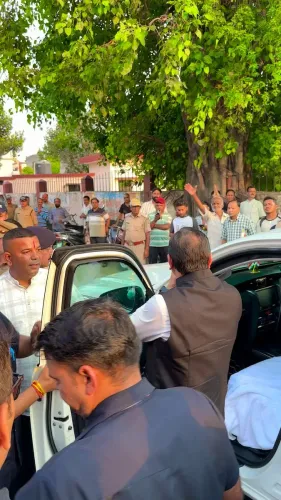
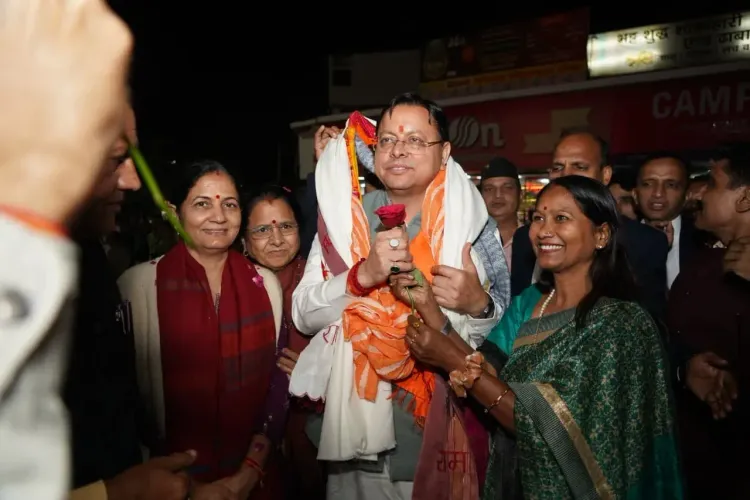
Returning from Gairsain — Uttarakhand's summer capital — to Dehradun on Wednesday, October 28, 2026, Chief Minister Pushkar Singh Dhami was met with a spontaneous public reception at Natraj Chowk in Rishikesh, where large numbers of youth, women, and local citizens had gathered to express gratitude for the formation of the Uttarakhand State Youth Commission.
A Roadside Moment That Carries a Policy Signal
The gathering at Natraj Chowk was no scheduled rally — it was a welcome that spilled onto the route as the Chief Minister passed through Rishikesh. Young residents and women from the locality lined up to felicitate Dhami, specifically citing the newly constituted State Youth Commission as the reason for their appreciation. In a state where hill-to-plains out-migration has quietly hollowed out entire villages for decades, a dedicated institutional body for youth affairs carries pointed symbolism.
The Chief Minister reciprocated warmly, engaging in direct conversation with those present — enquiring about their wellbeing and acknowledging the affection shown. His office described the interaction as marked by 'aatmiyata' (genuine warmth), a word that signals an effort to project accessibility beyond formal government settings.
What the Uttarakhand State Youth Commission Is Built to Do
Uttarakhand's youth commission is designed as a dedicated state body to address issues including employment, skill development, and welfare schemes for the state's young population. Several Indian states have established similar commissions over the past decade, responding to youth unemployment and the structural pull of cities. Uttarakhand's challenge is sharper than most — its hill districts have seen sustained outward migration of working-age youth, leaving behind ageing communities and stalled local economies.
By establishing a formal commission, the Dhami government creates an institutional channel — separate from routine departmental machinery — specifically tasked with prioritising youth concerns. What the commission will actually do hinges on the details still to emerge: who chairs it, its budget, its mandate, and the timeline of its first recommendations. Those appointments and allocations will be the real test of ambition.
Gairsain Visit and the Broader Outreach
The Chief Minister's travel from Gairsain is itself worth noting. The hill town in Chamoli district, designated as Uttarakhand's summer capital in a bid to assert the state's commitment to its remote highland regions, is a symbolically charged destination. A visit there followed by a warm reception in the Ganga-side city of Rishikesh threads together the state's geographic diversity — mountains and foothills, pilgrimage and administration — in a single day's political optics.
For CM Dhami, who has represented the Doiwala constituency and led the BJP government in Uttarakhand since March 2021, public interactions of this kind serve a dual purpose: they register policy announcements at the ground level and sustain direct visibility with constituents between election cycles.
The commission now moves from announcement to institution. Whether it delivers on the expectations of those who cheered at Natraj Chowk will be the harder headline to write — and it will be written in the commission's first year of operation.
Point of View
The stakes are structural: persistent hill-to-plains youth migration is not merely a social statistic but a slow erosion of the state's demographic foundation. The warm public reception at Rishikesh suggests the announcement has generated genuine goodwill — but commissions in Indian states have a mixed record of moving from symbolism to substantive output. The real political dividend for the Dhami government will come only if the commission's appointments, budget, and early recommendations are seen as credible rather than ceremonial.
NationPress
28 Oct 2026
Frequently Asked Questions
What is the Uttarakhand State Youth Commission?
The Uttarakhand State Youth Commission is a newly constituted state body designed to address youth-related matters including employment, skill development, and welfare schemes for young people in Uttarakhand.
Why was CM Dhami welcomed at Rishikesh on October 28?
Chief Minister Pushkar Singh Dhami was welcomed at Natraj Chowk in Rishikesh by youth, women, and local residents who gathered to express gratitude for his decision to form the Uttarakhand State Youth Commission.
What is Gairsain and why did CM Dhami visit?
Gairsain is a town in Chamoli district designated as Uttarakhand's summer capital to promote balanced regional development. CM Dhami was returning to Dehradun from Gairsain when the welcome event took place in Rishikesh.
Why does Uttarakhand need a Youth Commission?
Uttarakhand has faced persistent out-migration of young people from its hill districts for decades, weakening local economies. A dedicated Youth Commission creates an institutional mechanism to prioritise employment and skill development for the state's youth.
Who is Pushkar Singh Dhami?
Pushkar Singh Dhami is the Chief Minister of Uttarakhand from the Bharatiya Janata Party, serving since March 2021 and representing the Doiwala constituency.