CM Fadnavis: 12 Drought Relief Measures to Roll Out Immediately
Synopsis
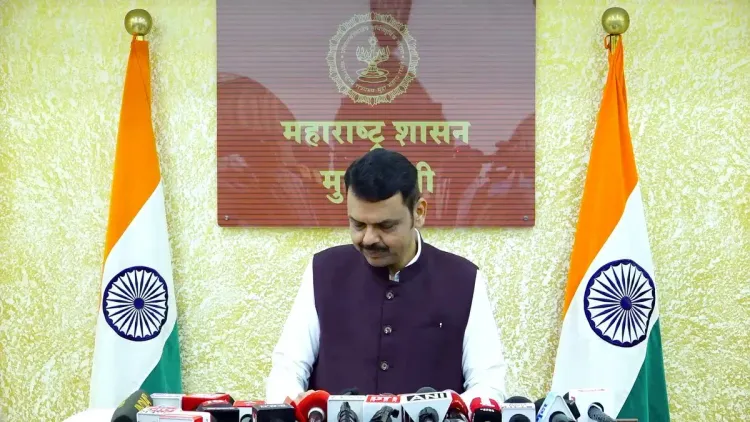
Maharashtra Chief Minister Devendra Fadnavis announced at a Nagpur press conference on September 27, 2026 that 12 drought-relief measures would be implemented immediately, with panchnamas already under way to assess crop damage and disburse appropriate assistance to affected farmers.
Key Takeaways
12 drought-relief measures announced by CM Devendra Fadnavis to be implemented immediately across Maharashtra .
Official panchnamas (crop-damage assessments) are already under way, triggering the formal compensation pipeline.
The announcement was made at a press conference in Nagpur on September 27, 2026 .
Maharashtra's Vidarbha and Marathwada regions are the most drought-prone belts and the primary targets of relief operations.
The Jalyukt Shivar Abhiyan (launched 2015 ) represents the state's long-term structural drought-mitigation framework under Fadnavis.
Speed of disbursement to affected farmers remains the key test of whether the announcement translates into ground-level impact.
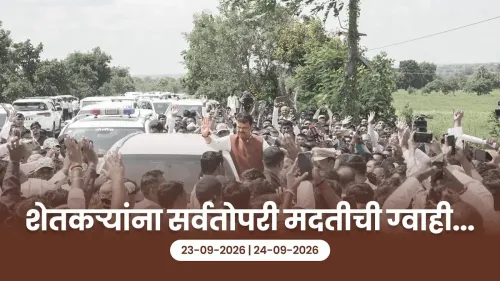
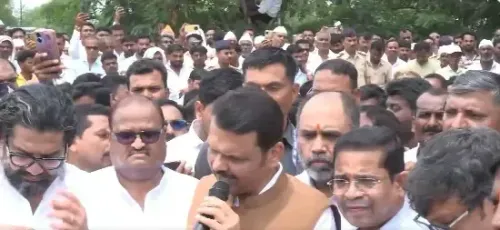
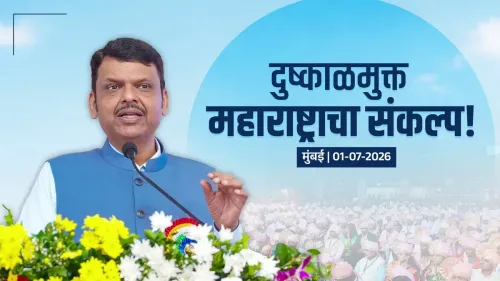
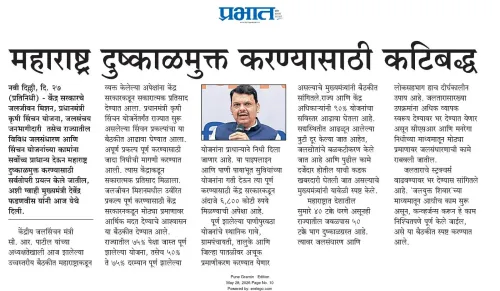
Drought is not a distant crisis in Maharashtra — it is a recurring, grinding reality for millions of farmers across Vidarbha and Marathwada. On Sunday, September 27, 2026, Maharashtra Chief Minister Devendra Fadnavis announced at a press conference in Nagpur that 12 drought-relief measures would be implemented immediately, with panchnamas (official crop-damage assessments) already underway across affected areas.
Addressing reporters, Fadnavis stated: 'दुष्काळ निवारणासंदर्भातील 12 उपाययोजना तातडीने राबविणार, पंचनामे सुरू असून, योग्य मदत देण्यासंदर्भातील कार्यवाही सुरू केली आहे' — 'Twelve measures related to drought relief will be implemented without delay; panchnamas are under way and action has been initiated to provide appropriate assistance.'
Nagpur Becomes the Command Centre for Drought Response
The choice of Nagpur as the venue is deliberate. The city sits at the heart of the Vidarbha region — Maharashtra's most drought-prone belt — and has historically served as the political and administrative nerve centre for eastern Maharashtra. Announcing relief measures from here sends a direct signal to farming communities who have waited, season after season, for credible state intervention.
Panchnamas — the ground-level enumeration of crop losses conducted by revenue officials — are the legally mandated first step before any state compensation reaches a farmer's account. Their launch signals that the relief pipeline is now active, not merely promised.
Maharashtra's Long Fight Against Recurring Drought
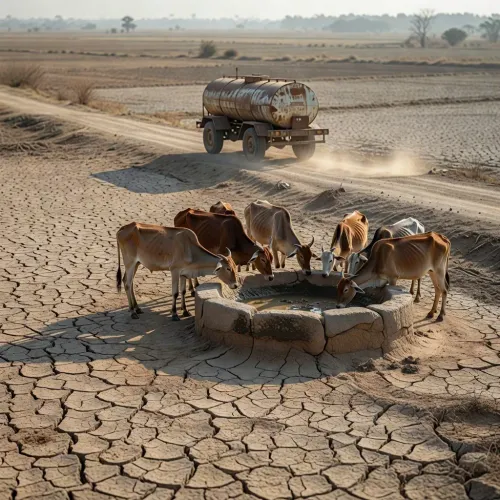
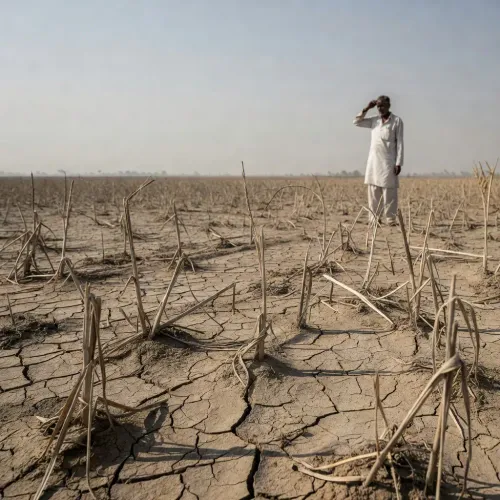
Maharashtra has battled cyclical monsoon failures for decades. The western state's Vidarbha and Marathwada divisions are particularly vulnerable — cotton and soybean farmers here have faced crop failures, debt distress, and agrarian crisis in multiple consecutive seasons. State governments across political lines have responded with relief packages covering crop-damage assessments, financial compensation, and emergency water supply arrangements.
The Jalyukt Shivar Abhiyan, launched in 2015 by the Maharashtra government under Fadnavis's earlier tenure, attempted a longer-term structural fix through watershed development and village-level water conservation. The current announcement fits squarely within the established pattern of rapid administrative response — but the scale and speed of actual disbursement will determine whether it moves beyond precedent.
What the 12 Measures Mean for Affected Farmers
The specific content of the 12 measures was not detailed in the public statement, but standard Maharashtra drought-relief packages typically encompass immediate input subsidies, crop-loss compensation, livestock assistance, drinking-water tanker deployment, and loan waivers or restructuring for affected cultivators. The announcement that action is already 'under way' — rather than merely 'planned' — raises the urgency bar.
With panchnamas running simultaneously, the timeline for disbursal could be compressed. The critical test will be whether compensation reaches farmers before the next sowing window closes — a failure that has plagued earlier relief cycles in the state.
Maharashtra's drought story is never just about the weather. It is about administrative speed, political will, and whether official announcements survive the last mile from Nagpur to a parched field in Buldhana or Osmanabad. The clock started ticking on September 27.
Point of View
But the political stakes in 2026 are sharper given sustained agrarian distress in Vidarbha and Marathwada. By anchoring the announcement in Nagpur and foregrounding active panchnamas — rather than a future promise — the CM is attempting to signal administrative urgency over symbolic gesture. The real policy question is whether Maharashtra's revenue and agriculture machinery can compress the traditionally slow disbursal cycle, which has historically eroded farmer trust in official relief. The 12-measure framework, if executed at speed, could set a benchmark; if it stalls at the block level, it risks becoming another line in a familiar script of unmet commitments.
NationPress
27 Sept 2026
Frequently Asked Questions
What are the 12 drought relief measures announced by CM Fadnavis?
The specific details of all 12 measures were not listed in the public statement, but Maharashtra's standard drought relief packages typically include crop-loss compensation, input subsidies, livestock assistance, drinking-water deployment, and loan restructuring for affected farmers.
What is a panchnama in the context of drought relief?
A panchnama is an official ground-level enumeration of crop losses conducted by state revenue officials. It is the legally required first step before financial compensation can be disbursed to farmers.
Which districts in Maharashtra are most affected by drought?
The Vidarbha and Marathwada regions of Maharashtra are historically the most drought-prone, with districts such as Buldhana, Osmanabad, Latur, Amravati, and Yavatmal frequently affected by monsoon failures.
What is the Jalyukt Shivar Abhiyan?
Jalyukt Shivar Abhiyan is a water-conservation scheme launched in 2015 by the Maharashtra government under Devendra Fadnavis aimed at making villages water-self-sufficient through watershed development and village-level interventions to address recurring drought.
Why did CM Fadnavis hold the drought press conference in Nagpur?
Nagpur is the administrative and political hub of the Vidarbha region, Maharashtra's most drought-prone belt. Holding the press conference there signals the government's direct focus on the communities most severely impacted by drought conditions.