CM Fadnavis Mobilises State for Ashadhi Wari Pilgrims
Synopsis
The Chief Minister's Office of Maharashtra on 25 July 2026 signalled full state readiness for the Ashadhi Ekadashi Wari at Pandharpur, linking pilgrim safety with rural development under CM Devendra Fadnavis.
Key Takeaways
The CMO Maharashtra posted on 25 July 2026 affirming state preparedness for the Ashadhi Ekadashi Wari at Pandharpur .
The Marathi-language post tagged Chief Minister Devendra Fadnavis and linked rural development goals with pilgrimage service.
The Pandharpur Wari draws hundreds of thousands of warkaris annually to the Vitthal temple in Solapur district .
State deployments for the Wari typically cover police, medical units, sanitation, and temporary infrastructure along pilgrimage routes.
Post-Wari reviews and rural infrastructure announcements for pilgrimage corridors are expected in the weeks following the event.
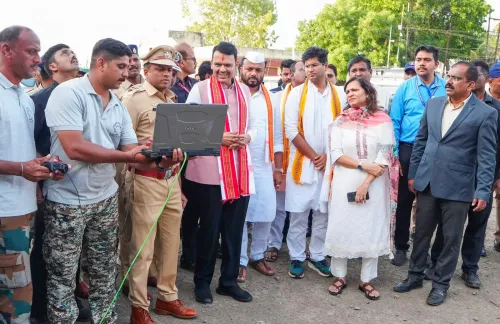
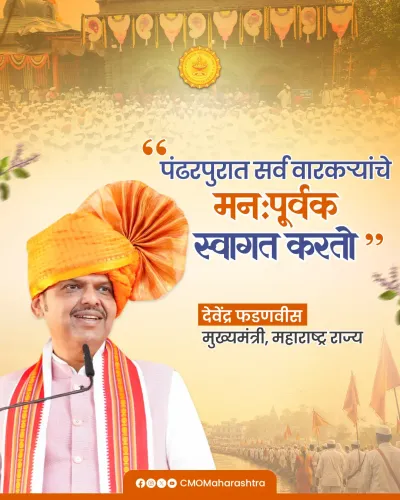
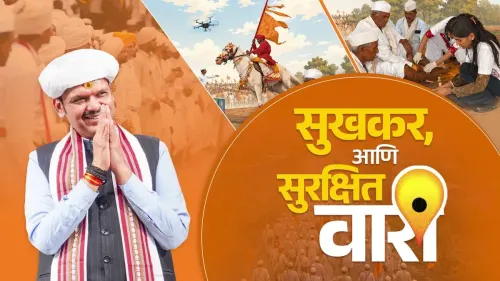
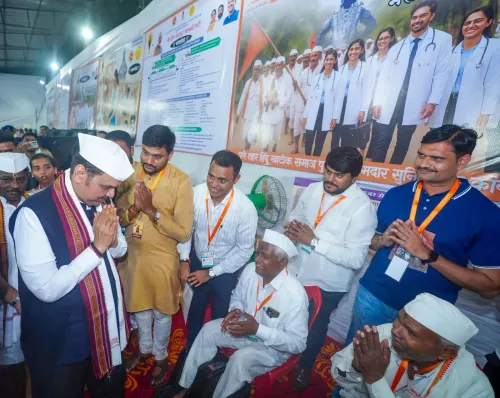
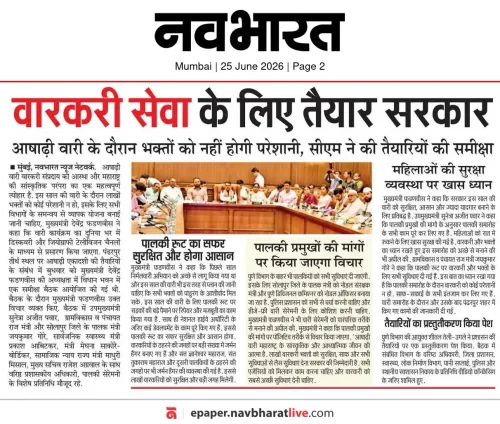
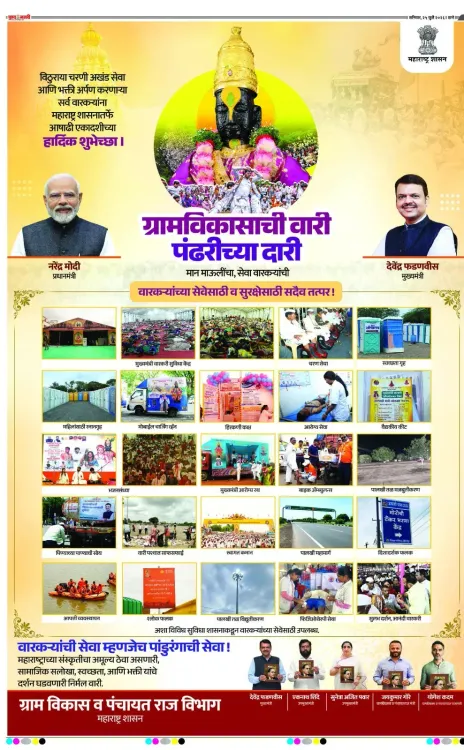
The Chief Minister's Office of Maharashtra on Saturday, 25 July 2026 reaffirmed the state government's commitment to the safety and welfare of warkaris (pilgrims) attending the Ashadhi Ekadashi Wari at Pandharpur, tagging Chief Minister Devendra Fadnavis in a post that underscored the administration's round-the-clock preparedness for one of Maharashtra's largest religious gatherings.
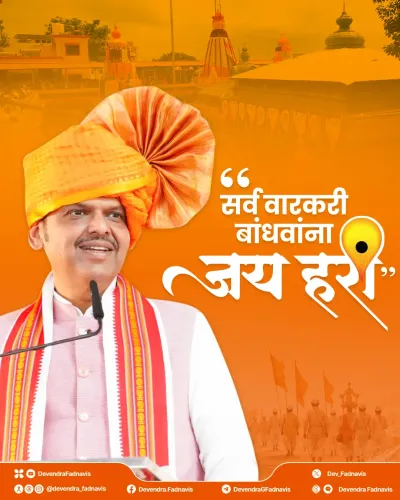
The post, written in Marathi, declared: 'Gramvikaasachi vaari Pandharichi daari' — broadly translated as 'The journey of rural development reaches the doorstep of Pandharpur' — and stated that the government is 'always ready for the service and security of the warkaris.' The message linked rural governance priorities with the spiritual significance of the annual pilgrimage.
Context
The Pandharpur Wari is an annual walking pilgrimage that draws hundreds of thousands of devotees — known as warkaris — to the Vitthal temple in Pandharpur, Solapur district. The pilgrimage culminates on Ashadhi Ekadashi, one of the most sacred dates in the Vaishnava calendar. Pilgrims travel on foot along traditional routes from across Maharashtra and beyond, making the event one of the largest peaceful mass gatherings in India.
The scale of the Wari demands extensive inter-departmental coordination — spanning law enforcement, medical services, water supply, sanitation, and crowd management — all of which fall under the state administration's purview.
Policy Backdrop
Maharashtra governments have, for decades, treated the Pandharpur Wari as a major administrative event requiring structured state support. Deployments typically include police personnel along pilgrimage routes, mobile medical units, emergency response teams, and temporary infrastructure such as rest shelters and drinking water stations.
The CMO's framing of 'gramvikas' (rural development) alongside the Wari is consistent with a broader pattern in which state administrations use high-visibility pilgrimages as anchors for announcing or accelerating rural infrastructure work along traditional routes. Chief Minister Devendra Fadnavis, a multiple-term CM, has positioned rural development as a central plank of his governance agenda.
Stakeholders and Impact
The primary beneficiaries of the state's preparedness measures are the warkaris themselves — pilgrims who undertake the journey on foot, often over several days, and depend on state-provided facilities for safety, first aid, and basic amenities. Rural communities along pilgrimage corridors also benefit from improved roads, sanitation, and water access that are often upgraded ahead of the Wari.
Local administration in Solapur and districts along pilgrimage routes bears the operational responsibility, while the CMO's public communication signals political ownership at the highest level of the state government.
What's Next
Following the conclusion of the Ashadhi Ekadashi Wari, state authorities typically conduct post-event reviews of safety protocols and service delivery. Any gaps identified during the pilgrimage often feed into planning for the Kartiki Wari, the next major iteration of the pilgrimage cycle. Announcements related to rural infrastructure projects for pilgrimage corridors — roads, rest shelters, sanitation — are also common in the weeks that follow, making the post-Wari period a watch point for rural development policy in Maharashtra.
Point of View
Where major pilgrimages double as soft-power moments for the ruling dispensation. The real test, as always, will be the on-ground delivery and the post-event audit of what actually reached the warkaris.
NationPress
24 Oct 2026
Frequently Asked Questions
What is the Ashadhi Ekadashi Wari at Pandharpur?
The Ashadhi Ekadashi Wari is an annual Hindu pilgrimage in which devotees called warkaris walk to the Vitthal temple in Pandharpur, Solapur district, culminating on the sacred date of Ashadhi Ekadashi in the Hindu calendar.
What arrangements does the Maharashtra government make for the Pandharpur Wari?
The Maharashtra government deploys police personnel, mobile medical units, emergency response teams, drinking water stations, and temporary rest shelters along pilgrimage routes to ensure the safety and welfare of warkaris.
Who is Devendra Fadnavis and what is his role in the Wari preparations?
Devendra Fadnavis is the Chief Minister of Maharashtra. The CMO tagged him in its 25 July 2026 post affirming state readiness for the Ashadhi Wari, signalling political ownership of the preparations at the highest level.
What does 'gramvikas' mean in the context of the Pandharpur Wari post?
'Gramvikas' is Marathi for rural development. The CMO's post used the phrase to link the state's rural development agenda with its commitment to serving pilgrims, suggesting that infrastructure improvements along pilgrimage routes are part of the broader rural governance push.
What happens after the Ashadhi Wari concludes?
After the Ashadhi Ekadashi Wari, state authorities typically review safety and service delivery, and announcements on rural infrastructure projects for pilgrimage corridors — such as roads and sanitation — are common. Planning also begins for the next major pilgrimage, the Kartiki Wari.