CM Fadnavis Chairs High-Level Review for Kumbh Mela 2027
Synopsis
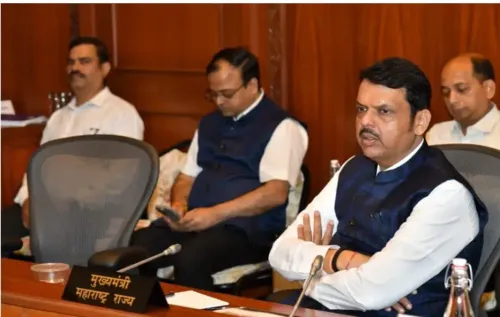
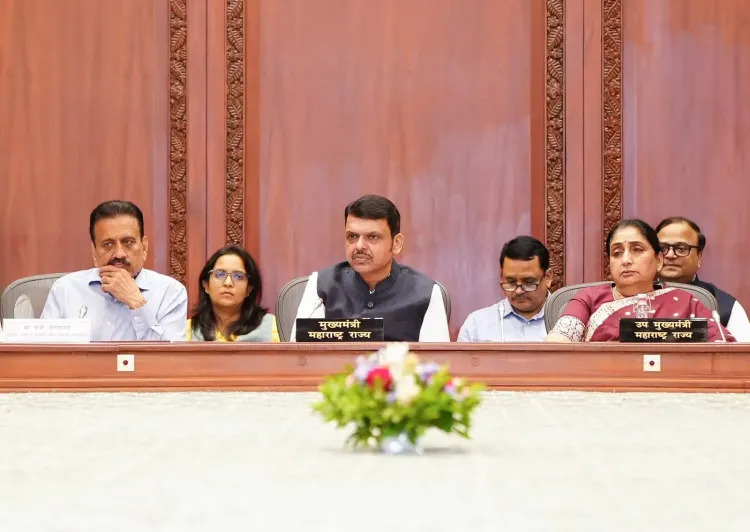
Chief Minister Devendra Fadnavis chaired a review meeting for the Nashik-Trimbakeshwar MahaSimhastha Kumbh Mela 2027 in Mumbai on 7 August 2026, with Deputy CM Sunetra Ajit Pawar, key ministers, local MLAs, and Nashik Mayor present, signalling the state's early push to coordinate logistics for the once-in-12-years pilgrimage.
Key Takeaways
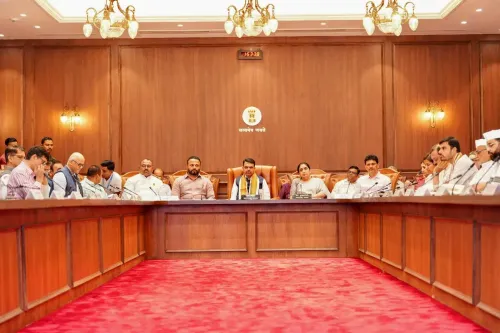
CM Devendra Fadnavis chaired a high-level review meeting for Nashik-Trimbakeshwar MahaSimhastha Kumbh Mela 2027 on 7 August 2026 .
The meeting was held at Sahyadri Guest House, Mumbai and attended by Deputy CM Sunetra Ajit Pawar , two cabinet ministers, five MLAs, and Nashik Mayor Himgauri Aher-Adke .
The Simhastha Kumbh Mela at Nashik and Trimbakeshwar is held every 12 years ; the last edition was in 2015 .
Trimbakeshwar houses one of India's twelve Jyotirlingas , making it a major focal point for pilgrims attending the event.
State governments typically begin multi-year coordination covering infrastructure, sanitation, and security well ahead of a Kumbh Mela.
With Nashik-Trimbakeshwar MahaSimhastha Kumbh Mela 2027 less than a year away, Maharashtra Chief Minister Devendra Fadnavis convened a high-level review meeting at Sahyadri Guest House, Mumbai, on 7 August 2026 — signalling that the state's planning machinery is now in full motion for one of the largest religious gatherings on earth.
The Chief Minister's Office of Maharashtra confirmed the meeting was chaired by CM Fadnavis and attended by Deputy Chief Minister Sunetra Ajit Pawar, Minister Girish Mahajan, Minister Narhari Zirwal, a bloc of local legislators — MLAs Devyani Pharande, Seema Hiray, Adv. Rahul Dhikale, Saroj Ahire, and Hiraman Khoskar — along with Nashik Mayor Himgauri Aher-Adke and senior state officials. The breadth of the gathering, spanning cabinet rank to municipal leadership, underlines the scale of coordination the event demands.
Why Nashik and Trimbakeshwar Are at the Centre
Nashik, on the banks of the Godavari, and the adjacent temple town of Trimbakeshwar — home to one of India's twelve Jyotirlingas (sacred Shiva shrines) — jointly host the Simhastha Kumbh Mela, which rotates among four sites across the country and returns to this pair every 12 years. The last edition at Nashik-Trimbakeshwar was held in 2015, when the state government coordinated logistics for millions of pilgrims. The 2027 edition is expected to draw comparable or larger crowds, making early multi-departmental planning essential.
The Pattern Behind the Planning
State governments across India have long used high-level review meetings — typically beginning well over a year before a Kumbh — to align infrastructure upgrades, sanitation drives, crowd-management protocols, and security deployment. Maharashtra is following that established playbook, with the CMO's direct involvement elevating the event's political and administrative priority. The presence of Nashik's elected legislators and mayor alongside cabinet ministers reflects a deliberate effort to integrate local knowledge with state-level resources.
Infrastructure readiness, river-front facilities at the Godavari ghats, road and transit access to Trimbakeshwar, and sanitation planning are among the key areas that such review cycles typically address — and will be the benchmarks against which the state's preparation is measured as 2027 approaches.
Point of View
CM Fadnavis is signalling that the 2027 Simhastha Kumbh will be a centrepiece of his government's governance-and-delivery narrative — a high-visibility opportunity to demonstrate administrative competence on a national stage. The inclusion of Deputy CM Sunetra Ajit Pawar, from the NCP faction led by her husband Ajit Pawar, also reflects the coalition dynamics of the Mahayuti alliance, where major state events are used to project unity. Historically, Kumbh Melas have become benchmarks by which state governments are judged — infrastructure failures or crowd tragedies carry steep political costs, while a well-managed edition burnishes a ruling coalition's credibility ahead of electoral cycles.
NationPress
7 Aug 2026
Frequently Asked Questions
When is the Nashik-Trimbakeshwar Kumbh Mela 2027?
The Nashik-Trimbakeshwar MahaSimhastha Kumbh Mela 2027 is scheduled for 2027 . Exact dates for the major bathing dates ( shahi snan ) have not been confirmed in official public announcements yet.
Why is Nashik a Kumbh Mela venue?
Nashik is one of four sacred cities that host the Kumbh Mela on a rotating basis because of its location on the banks of the Godavari river, considered holy in Hindu tradition. The adjacent town of Trimbakeshwar , home to a Jyotirlinga shrine, is co-designated as the venue.
How often is the Kumbh Mela held at Nashik?
The Simhastha Kumbh Mela at Nashik-Trimbakeshwar is held every 12 years . The previous edition was in 2015 , making 2027 the next scheduled occurrence.
Who attended the Kumbh Mela 2027 review meeting in Mumbai?
The meeting on 7 August 2026 was chaired by CM Devendra Fadnavis and attended by Deputy CM Sunetra Ajit Pawar , Minister Girish Mahajan , Minister Narhari Zirwal , five MLAs from the Nashik region, Nashik Mayor Himgauri Aher-Adke , and senior state officials.
What preparations is Maharashtra making for Kumbh Mela 2027?
The Maharashtra government has begun high-level review meetings coordinating infrastructure upgrades, sanitation, crowd management, and security deployment for the 2027 Simhastha Kumbh at Nashik and Trimbakeshwar, following the same multi-year planning model used for the 2015 edition.