CM Fadnavis Chairs MMRDA Meet on Mumbai Sea Links, Tunnels
Synopsis
Chief Minister Devendra Fadnavis chaired an MMRDA meeting on 19 November 2026, reviewing the Uttan-Virar Sea Link and a two-phase Integrated Tunnel Road System connecting BKC, Chhatrapati Shivaji Maharaj Airport T2, and the Eastern Express Highway.
Key Takeaways
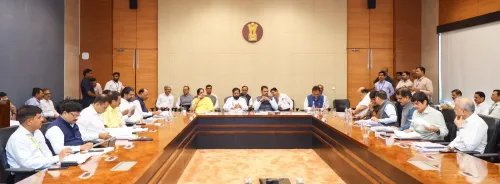
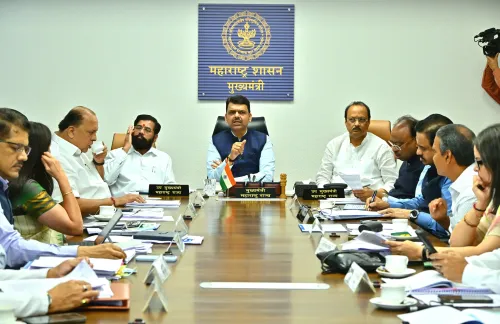
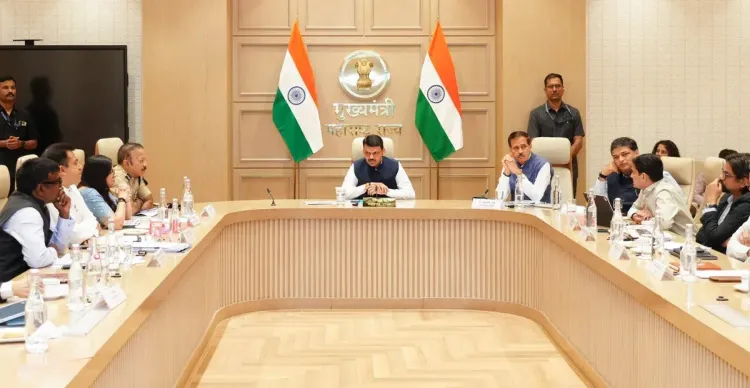
CM Devendra Fadnavis chaired the MMRDA review meeting at Varsha Bungalow, Mumbai on 19 November 2026 at 12:15 pm .
The Mumbai-Vadhavan Expressway Connectivity (Uttan-Virar Sea Link) was one of two major agenda items.
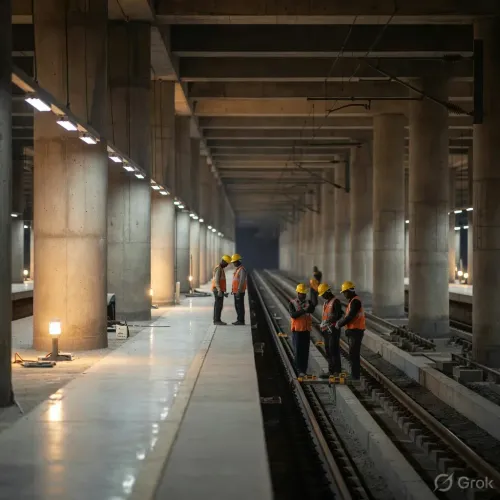
The Integrated Tunnel Road System Phase 1 and Phase 2 would link Bandra-Worli Sea Link, BKC, Airport Terminal T2 , and the Eastern Express Highway .
MMRDA is the state body driving planning and execution of these large-scale Mumbai transport projects.
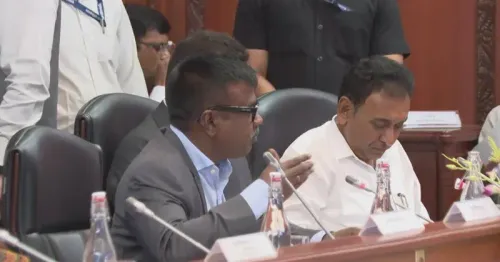
Senior state officials were present, signalling active movement in the planning pipeline for both corridors.
Key watch points include environmental clearances, land acquisition, and funding confirmation for both projects.
Mumbai's next generation of infrastructure took centre stage at Varsha Bungalow on 19 November 2026, when Chief Minister Devendra Fadnavis chaired a high-level review of Mumbai Metropolitan Region Development Authority (MMRDA) projects that could redraw how millions move across the city. Senior state officials were present as two landmark proposals sat at the table.
Two Projects That Could Transform Mumbai's Movement
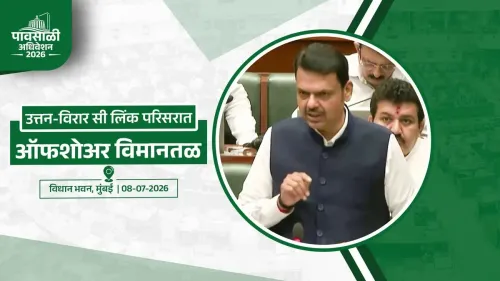
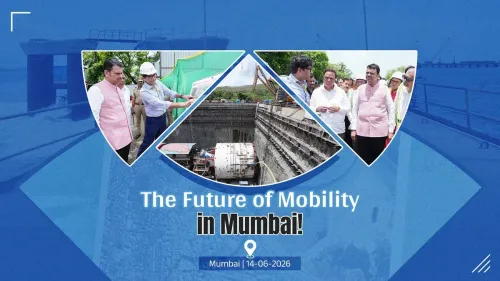
The meeting covered the Mumbai-Vadhavan Expressway Connectivity, better known as the Uttan-Virar Sea Link — a proposed corridor that would stitch the city's congested northwestern coast into a faster spine reaching toward the new Vadhavan Port. Alongside it sat the Integrated Tunnel Road System, Phase 1 and Phase 2, a subterranean network threading beneath the Bandra-Worli Sea Link (BWSL), Bandra-Kurla Complex (BKC), Chhatrapati Shivaji Maharaj International Airport Terminal 2 (T2), and the Eastern Express Highway (EEH).
Together, these corridors would connect Mumbai's commercial heartland at BKC directly to the airport and onward to major arterial highways — underground, bypassing the surface gridlock that costs the city billions in lost productivity every year.
MMRDA's Long Game on Sea Links and Tunnels
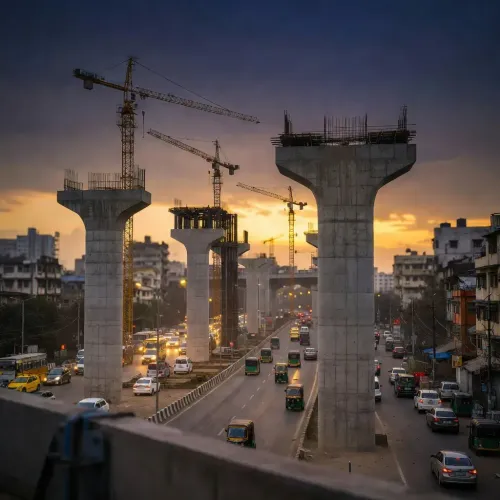
The Bandra-Worli Sea Link, opened in 2009, was MMRDA's first major salvo against Mumbai's chronic congestion. What followed was a generational ambition: phase after phase of sea bridges, coastal roads, and now tunnel systems designed to give the city the multilevel mobility its density demands. The Integrated Tunnel Road System, if executed across both phases, would represent a qualitative leap — moving traffic off the surface entirely in the most choked corridors.
The Uttan-Virar Sea Link adds a port-connectivity dimension. With the Vadhavan Port project advancing as a major deep-water facility on Maharashtra's northern coast, a fast expressway link from Mumbai's western suburbs is no longer just urban planning — it is freight and logistics strategy at a national scale.
What the Review Signals
CM Fadnavis has consistently positioned large-scale urban infrastructure as a defining pillar of Maharashtra's economic growth agenda. A chief ministerial review at 12:15 pm on 19 November 2026 — with senior officials in the room — signals that both projects are being pushed through the planning pipeline rather than left on the shelf. Progress on environmental clearances, land acquisition, and funding structures will determine when shovels actually hit ground.
Mumbai's commuters have waited a long time for the city's infrastructure to catch up with its ambition. This meeting suggests the blueprint is being drawn — quickly.
Point of View
Not just a planning exercise. The pairing of the Uttan-Virar Sea Link with the tunnel system reveals a strategy to solve both intra-city congestion and port-hinterland connectivity in one programmatic push. For MMRDA, which has historically faced delays on mega-projects, the top-level attention could accelerate clearances but also raises expectations that timelines will be publicly owned. The broader arc is clear: Maharashtra under Fadnavis is betting that world-class urban infrastructure is the fastest route to consolidating its lead as India's premier economic state.
NationPress
19 Nov 2026
Frequently Asked Questions
What is the Uttan-Virar Sea Link project?
The Uttan-Virar Sea Link, also called the Mumbai-Vadhavan Expressway Connectivity, is a proposed coastal corridor linking Mumbai's northwestern suburbs to the Vadhavan Port region, aimed at easing road congestion and improving freight movement along Maharashtra's northern coast.
What is the MMRDA Integrated Tunnel Road System?
The Integrated Tunnel Road System is a planned two-phase underground road network in Mumbai that would connect the Bandra-Worli Sea Link, Bandra-Kurla Complex, Chhatrapati Shivaji Maharaj International Airport Terminal 2, and the Eastern Express Highway through subterranean corridors.
What did CM Devendra Fadnavis review on 19 November 2026?
CM Devendra Fadnavis chaired a meeting at Varsha Bungalow, Mumbai, to review MMRDA projects including the Uttan-Virar Sea Link and the Integrated Tunnel Road System Phase 1 and Phase 2, with senior state officials present.
What is MMRDA and what does it do?
The Mumbai Metropolitan Region Development Authority (MMRDA) is Maharashtra's apex state body for planning and executing major transport and urban development projects across the Mumbai metropolitan region, including sea links, roads, and metro rail corridors.
When was the Bandra-Worli Sea Link opened?
The Bandra-Worli Sea Link was opened in 2009 and was one of MMRDA's earliest large-scale interventions to reduce traffic congestion between Mumbai's western suburbs and the southern part of the city.