CM Yogi to Allow Trees on Farm Boundaries for Extra Income
Synopsis
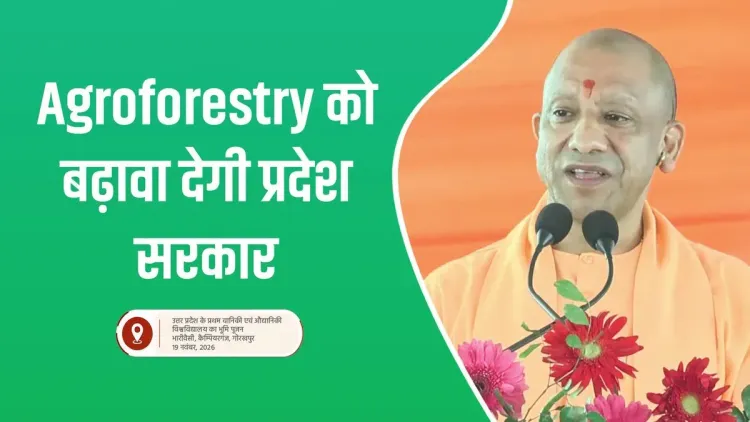
Uttar Pradesh CM Yogi Adityanath announced the state will promote agroforestry by permitting farmers to plant teak, rosewood, poplar, eucalyptus, and acacia on field boundaries alongside crops, creating an additional income stream for UP's vast agrarian population.
Key Takeaways
Uttar Pradesh will formally promote agroforestry , as announced by the Chief Minister's Office on 19 November 2026 .
Farmers will be permitted to plant teak, rosewood, poplar, eucalyptus, and acacia on the ridges (boundaries) of their agricultural fields.
The initiative is designed to create additional income for farmers without displacing existing crop cultivation.
The move aligns with India's National Agroforestry Policy of 2014 , which promotes tree integration on farmland for sustainability and income diversification.
Species chosen cover both premium timber (teak, rosewood) and fast-growing pulp/biomass markets (poplar, eucalyptus), with acacia also improving soil nitrogen.
Key implementation details — subsidies, planting permissions mechanism, and market linkages — are yet to be announced by the state government.
Millions of farmers in Uttar Pradesh are set to get a new revenue stream from their own field edges — without sacrificing a single row of crops. The Chief Minister's Office of Uttar Pradesh announced on Thursday, 19 November 2026 that the state government will promote agroforestry, permitting farmers to plant timber and pulp trees along the meḍ (field boundaries) of their agricultural land.
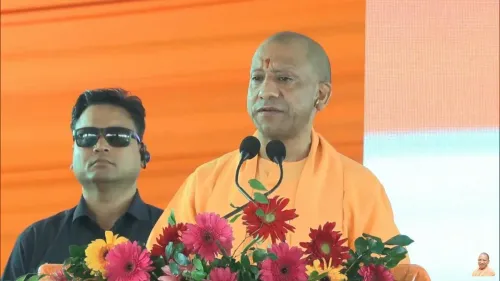
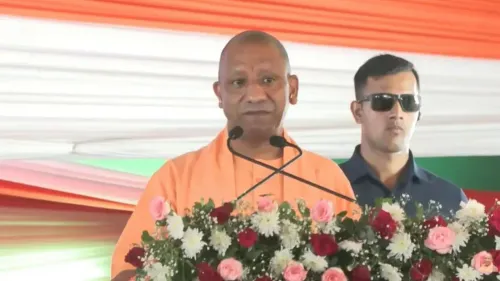
Quoting Chief Minister Yogi Adityanath directly, the post states: 'The state government will promote agroforestry. Farmers will be permitted to plant teak (sāgaun), rosewood (śīśam), poplar, eucalyptus, and acacia (babūl) on the ridges of their fields alongside their crops. This will become a source of additional income for farmers.'
Boundary Planting: Earning From the Edges
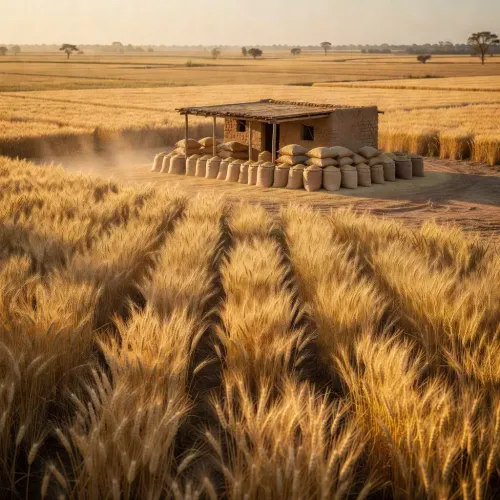
The core logic is elegant and low-disruption. Field boundaries — the narrow earthen ridges that already demarcate plots — sit idle through most of the crop calendar. Planting high-value timber species like teak and rosewood, or fast-growing pulp trees like poplar and eucalyptus, on these margins adds no pressure on cultivated area. Farmers effectively harvest two income streams from the same landholding: a seasonal crop yield and, years later, timber or biomass revenue.
The five species named — teak, rosewood, poplar, eucalyptus, and acacia — are not arbitrary choices. Teak and rosewood are premium timber trees with established commercial markets. Poplar and eucalyptus are fast-cycling pulp crops in heavy demand from paper and plywood industries. Acacia doubles as a soil-nitrogen fixer, quietly improving the land while it grows. Together, they cover the spectrum from long-term wealth-building to medium-term cash flow.
UP Aligns With the National Agroforestry Policy
India's National Agroforestry Policy, launched in 2014, laid the blueprint for exactly this kind of integration — trees woven into farmland to deliver ecological resilience and diversified rural income simultaneously. Uttar Pradesh, as India's most populous state and one of its largest agrarian economies, is a critical arena for that policy to gain traction at scale.
Indian states have incrementally aligned their land-use permissions with the national framework, dismantling older restrictions that treated on-farm tree planting with the same regulatory weight as commercial forestry. By explicitly granting permission for boundary planting, the Yogi Adityanath government signals a formal easing of those restrictions — lowering the bureaucratic barrier that historically discouraged farmers from planting trees they feared they could not freely harvest or sell.
What Farmers and Policymakers Will Now Watch
The announcement establishes the direction; the detail will determine the depth. Stakeholders — particularly the UP farming community — will look for state guidelines on the formal permission mechanism, whether any linked subsidies or free saplings will be offered at planting stage, and crucially, what market-linkage infrastructure will exist when timber is eventually ready for harvest. Without a clear off-take pathway, the income promise risks remaining on paper.
Agroforestry also carries a secondary climate dividend: trees on agricultural land count toward national tree-cover targets outside designated forests, helping India inch toward its climate commitments. For Uttar Pradesh, a state that has faced acute groundwater stress and soil degradation, deeper-rooted trees on field margins can also reduce surface runoff and improve local water retention — a quiet but durable ecological co-benefit.
The field boundary, long overlooked, may yet become the most productive strip of land a UP farmer owns.
Point of View
It threads an agricultural welfare narrative through an environmental one, allowing the government to claim both farmer-income and green-cover credentials simultaneously. The critical variable is implementation depth: past agroforestry pushes in Indian states have often stalled at the permission stage without accompanying sapling subsidies or assured timber market linkages. If Uttar Pradesh builds that supply-chain infrastructure, this becomes a genuine rural income intervention; if it does not, the announcement risks being remembered as a policy gesture rather than a programme.
NationPress
19 Nov 2026
Frequently Asked Questions
What is the UP agroforestry announcement by CM Yogi?
Chief Minister Yogi Adityanath announced on 19 November 2026 that the Uttar Pradesh government will promote agroforestry by allowing farmers to plant trees such as teak, rosewood, poplar, eucalyptus, and acacia on the boundaries of their agricultural fields alongside their regular crops, creating an additional source of income.
Which trees can UP farmers plant on their field boundaries?
According to the announcement, farmers in Uttar Pradesh will be permitted to plant five species on field ridges: teak (sāgaun), rosewood (śīśam), poplar, eucalyptus, and acacia (babūl).
Will agroforestry affect crop cultivation in UP?
No. The policy specifically focuses on field boundaries (meḍ or ridges), which are the narrow margins between plots. This means trees are planted on otherwise idle land, leaving the cultivated crop area undisturbed.
What is India's National Agroforestry Policy?
India launched the National Agroforestry Policy in 2014 to encourage the integration of trees on farmland alongside crops. It aims to increase tree cover outside forests, improve ecological sustainability, and diversify rural incomes. UP's latest announcement aligns with this central framework.
How will UP farmers earn income from agroforestry?
Trees like teak and rosewood command high prices in the timber market, while poplar and eucalyptus are in demand from paper and plywood industries. Once mature, farmers can harvest and sell these trees for significant revenue on top of their regular crop earnings.