CM Fadnavis, Gadkari honour doctors at MahaArogya camp, Nagpur
Synopsis
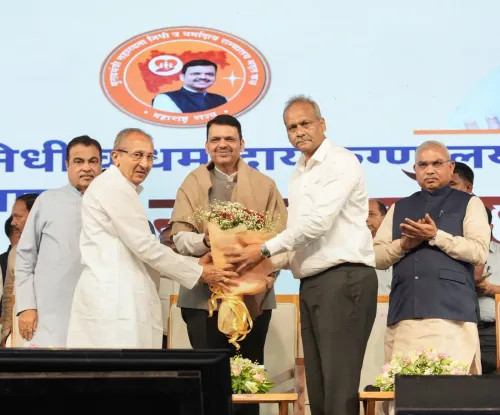
Chief Minister Devendra Fadnavis and Union Minister Nitin Gadkari felicitated over 25 doctors and contributors at the MahaArogya Shivir in Nagpur on 26 July 2026, organised under the Chief Minister's Assistance Fund and the Charitable Hospital Relief Cell to improve specialist healthcare access in Vidarbha.
Key Takeaways
The MahaArogya Shivir was held in Nagpur on 26 July 2026 , organised by the Mukhya Mantri Sahayata Nidhi and the Charitable Hospital Relief Cell, Nagpur .
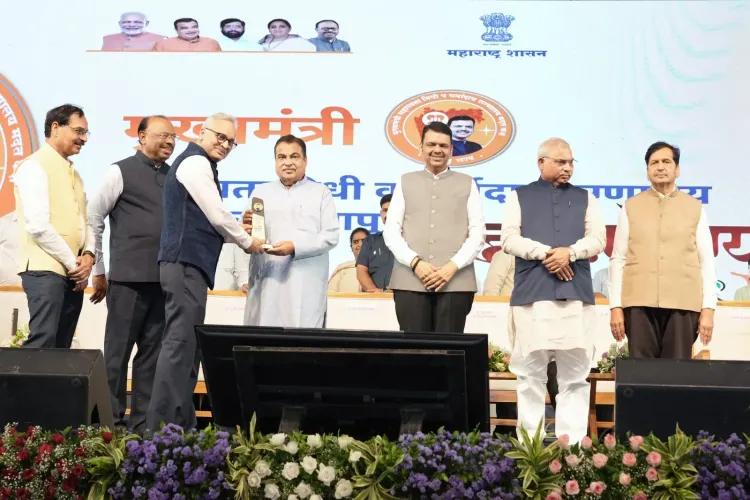
CM Devendra Fadnavis and Union Minister Nitin Gadkari jointly presided over the felicitation ceremony.
Over 25 doctors from institutions including AIIMS Nagpur , Government Medical College Nagpur , Indira Gandhi GMC , Lata Mangeshkar Hospital , and the National Cancer Institute were honoured.
Ministers Chandrashekhara Bawankule and Mangalprabhat Lodha were also present at the event.
Rajesh Dubey of Shivshakti Seva Foundation, Palghar was among the non-medical contributors recognised.
The event aligns with Maharashtra's ongoing effort to coordinate state funds and charitable hospitals to expand specialist care in the Vidarbha region.
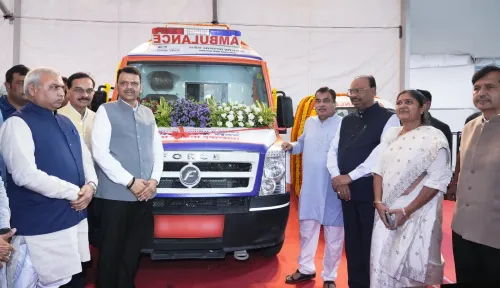
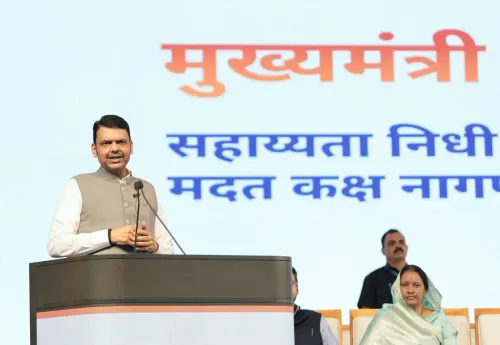
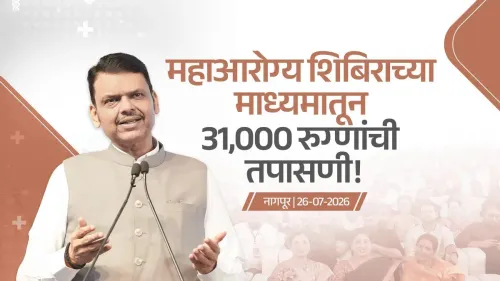
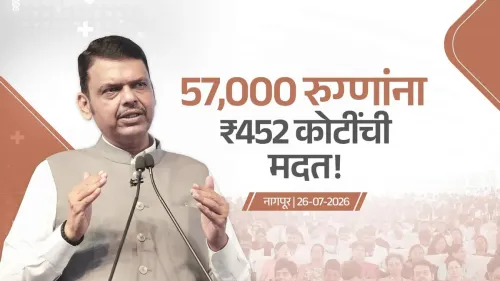
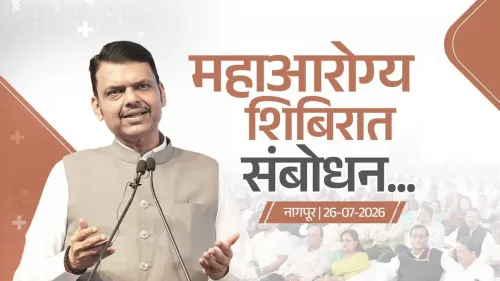
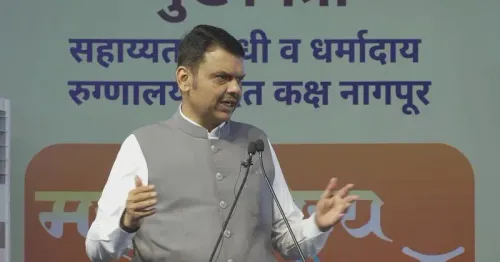
Chief Minister Devendra Fadnavis and Union Minister Nitin Gadkari jointly felicitated doctors and other dignitaries at the MahaArogya Shivir (mega health camp) held in Nagpur on Sunday, 26 July 2026, organised in coordination with the Mukhya Mantri Sahayata Nidhi (Chief Minister's Assistance Fund) and the Charitable Hospital Relief Cell, Nagpur. The camp recognised medical professionals who contributed to delivering quality healthcare services to patients across the region.
Context
The Chief Minister's Office of Maharashtra announced on X that doctors from several premier institutions were honoured at the event. The post, originally in Marathi, states that the felicitation was for those who 'रुग्णांना दर्जेदार आरोग्यसेवा उपलब्ध करून देण्यासाठी मोलाचे योगदान' ('made a valuable contribution to providing quality healthcare services to patients').
Ministers Chandrashekhara Bawankule and Mangalprabhat Lodha, along with other dignitaries, were present at the ceremony. The event brought together doctors from state-run, central, and charitable institutions under a single platform.
Doctors Honoured
Physicians from six institutions received recognition. From Government Medical College and Hospital, Nagpur: Dr. Raj Gajbhiye and Dr. Avinash Gawande. From Indira Gandhi Government Medical College and Hospital, Nagpur: Dr. Ravi Chavan and Dr. Nitin Shende. From AIIMS Nagpur: Dr. Prashant Joshi and Dr. Nilesh Nagdive.
From Lata Mangeshkar Hospital, Nagpur: Dr. Anuj Tiwari, Dr. Sejal Mitra, and Dr. Nivritti Rathod. From Nagpur Municipal Corporation: Dr. Dilip Selokar. From the National Cancer Institute, Nagpur: Dr. Sameer Shrirangwar, Dr. Shashikant Shambharkar, Dr. Mangesh Fadnaik, and Dr. Dhiraj Kalra. Additionally, Rajesh Dubey of Shivshakti Seva Foundation, Palghar was also felicitated.
Among other specialist doctors honoured were Dr. Shrikant Wankhede, Dr. Hazban Khan, Dr. Prashant Jagtap, Dr. Pramod Giri, Dr. Lokendrasingh, Dr. Sanjay Ramteke, Dr. Pramod Mundada, Dr. Sandeep Khanjode, Dr. Yogesh Deshmukh, Dr. Unmesh Mahajan, and Dr. H. M. Mardikar.
Policy Backdrop
The Mukhya Mantri Sahayata Nidhi has long served as Maharashtra's primary mechanism for subsidising treatment costs for economically vulnerable patients, channelling state funds through tie-ups with charitable hospitals. Nagpur, as the winter capital of Maharashtra and a hub for the Vidarbha region, hosts multiple tertiary care institutions including the centrally funded AIIMS Nagpur, making it a natural venue for such convergence events.
Maharashtra has periodically organised mega health camps under this framework since at least the mid-2010s, using them to both expand outreach and publicly recognise public-sector doctors who operate under high patient loads. The inclusion of AIIMS Nagpur and the National Cancer Institute alongside state medical colleges signals an effort to bridge central and state healthcare infrastructure.
Stakeholders and Impact
Patients from Nagpur and the wider Vidarbha belt stand to benefit from improved coordination between the Chief Minister's fund and charitable hospitals, which can reduce out-of-pocket costs for specialist care. The public felicitation of over 25 doctors and healthcare contributors is also intended to boost morale among government medical staff facing high caseloads.
The presence of Union Minister Gadkari, who represents the Nagpur Lok Sabha constituency, underscores the political significance of healthcare access in central Maharashtra and signals continued central government engagement with the state's health initiatives.
What's Next
Events such as this MahaArogya Shivir often precede announcements on expanding similar camps to other districts or integrating them further with central schemes such as Ayushman Bharat. The Maharashtra government's pattern of using Nagpur as a pilot for healthcare coordination programmes suggests further rollouts to other Vidarbha districts may follow. Observers will watch for budget allocations or policy directives that formalise the Charitable Hospital Relief Cell's role in the state's health architecture.
Point of View
Where healthcare access has historically been a persistent concern. The joint presence of CM Fadnavis and Union Minister Gadkari — both with strong roots in Nagpur — reinforces the ruling alliance's messaging around cooperative federalism in health. Publicly honouring government doctors also serves a governance purpose: recognition events are a low-cost tool to retain talent in public hospitals that compete with the private sector for specialists. Whether this translates into structural improvements — expanded camp coverage, higher fund disbursals, or district-level replication — will be the real measure of the initiative's impact.
NationPress
26 Jul 2026
Frequently Asked Questions
What is the MahaArogya Shivir in Nagpur?
The MahaArogya Shivir is a mega health camp organised in Nagpur under the Mukhya Mantri Sahayata Nidhi and the Charitable Hospital Relief Cell to provide quality specialist healthcare to patients, particularly from economically weaker sections.
Who attended the MahaArogya Shivir on 26 July 2026?
Chief Minister Devendra Fadnavis, Union Minister Nitin Gadkari, Ministers Chandrashekhara Bawankule and Mangalprabhat Lodha, along with over 25 doctors from institutions including AIIMS Nagpur, Government Medical College Nagpur, and the National Cancer Institute were present.
What is the Mukhya Mantri Sahayata Nidhi?
The Mukhya Mantri Sahayata Nidhi is the Chief Minister's Assistance Fund of Maharashtra, which provides financial support for the treatment of needy patients in coordination with charitable hospitals across the state.
Which hospitals were represented at the Nagpur health camp felicitation?
Doctors from Government Medical College and Hospital Nagpur, Indira Gandhi Government Medical College and Hospital Nagpur, AIIMS Nagpur, Lata Mangeshkar Hospital, Nagpur Municipal Corporation, and the National Cancer Institute Nagpur were felicitated.
Why is Nagpur chosen for Maharashtra government health camps?
Nagpur is Maharashtra's winter capital and the main urban centre of the Vidarbha region, hosting multiple tertiary care institutions including AIIMS Nagpur and state medical colleges, making it a strategic venue for government health outreach and coordination events.