CM Fadnavis, Governor honour Kargil veterans in Mumbai ceremony
Synopsis
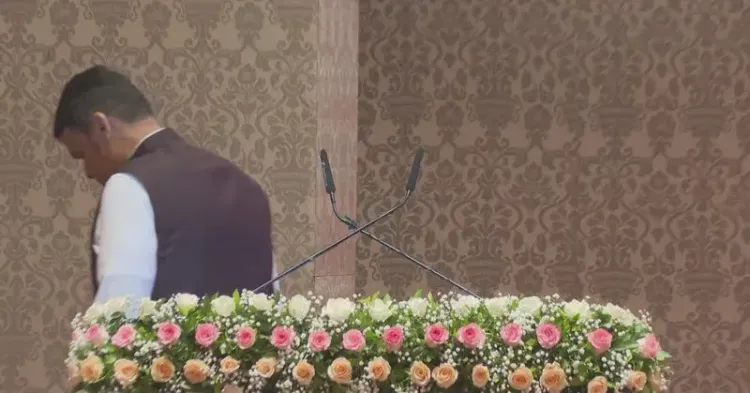
Governor Jishnu Dev Varma and Chief Minister Devendra Fadnavis jointly presided over a Kargil Vijay Diwas gratitude felicitation in Mumbai on July 27, 2026, honouring brave soldiers and the widows of martyred soldiers from the 1999 Kargil conflict.
Key Takeaways
Governor Jishnu Dev Varma and CM Devendra Fadnavis were the chief guests at the Kargil Vijay Diwas gratitude ceremony in Mumbai .
The event, held on July 27, 2026 , honoured both living veterans ( veersainik ) and the widows of martyred soldiers ( veerpatniyaan ).
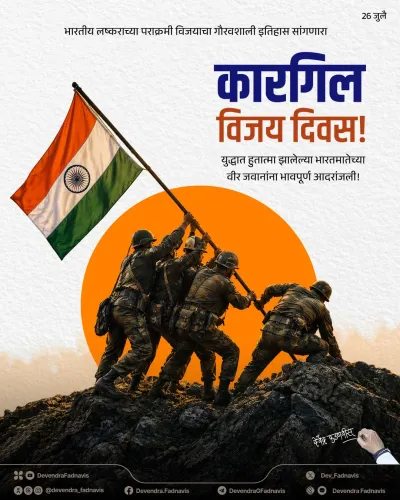
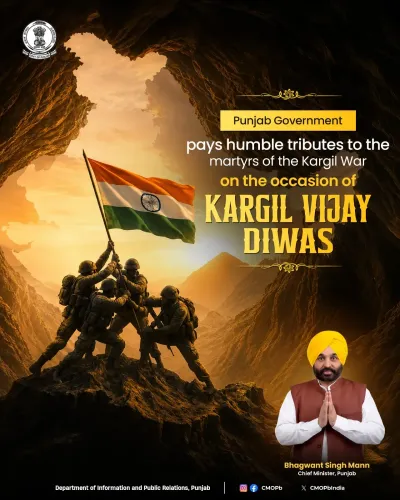
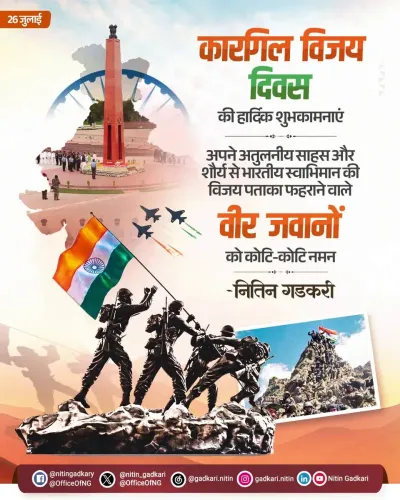
Kargil Vijay Diwas marks India's victory in the 1999 Kargil War , officially commemorated every July 26 .
The ceremony was broadcast live by the Chief Minister's Office of Maharashtra on the official X account.
Maharashtra has a standing practice of gubernatorial and chief ministerial participation in annual Kargil Vijay Diwas commemorations.
Maharashtra Governor Jishnu Dev Varma and Chief Minister Devendra Fadnavis attended a gratitude felicitation ceremony honouring brave soldiers and the widows of martyred soldiers on the occasion of Kargil Vijay Diwas in Mumbai on Monday, July 27, 2026. The event, broadcast live by the Chief Minister's Office of Maharashtra, paid tribute to the courage and sacrifice of those who served in the 1999 Kargil conflict.
Context
Kargil Vijay Diwas is observed every year on July 26 to mark the anniversary of India's victory in the Kargil War, which concluded on July 26, 1999, after Indian armed forces successfully reclaimed strategic peaks in the Kargil sector of Jammu and Kashmir from Pakistani intruders. The day is a moment of national remembrance, honouring both the fallen and those who survived the conflict.
The Chief Minister's Office described the event as a 'कृतज्ञता सन्मान सोहळा' (gratitude felicitation ceremony), specifically acknowledging 'वीरसैनिक व वीरसैनिकांच्या वीरपत्नी' — brave soldiers and the courageous wives of martyred soldiers.
Policy Backdrop
Since the conclusion of the Kargil War, central and state governments across India have institutionalised annual commemorations to honour participants and the families of those who made the ultimate sacrifice. Maharashtra has been consistent in this practice, with the Governor and Chief Minister lending the highest levels of state authority to such events.
These ceremonies serve a dual purpose: formal state recognition of military service and a public reaffirmation of the government's commitment to the welfare of ex-servicemen and military families. The inclusion of veerpatniyaan — the widows of martyred soldiers — as honourees reflects a deliberate policy focus on next-of-kin welfare.
Stakeholders and Impact
Veterans, serving personnel, and the families of soldiers who died in the 1999 Kargil operations are the primary stakeholders of such state-level commemorations. For widows and families of martyrs, the public felicitation carries both symbolic weight and practical visibility, often accompanying discussions of welfare entitlements, pensions, and state support schemes.
The joint presence of Governor Jishnu Dev Varma and CM Devendra Fadnavis signals the constitutional and executive arms of the state acting in unison — a gesture that underlines the cross-partisan, institutional character of defence commemorations in India.
What's Next
State-level Kargil Vijay Diwas events typically prompt follow-up announcements or reviews of ex-servicemen welfare measures, including housing schemes, educational support for martyrs' children, and employment reservations. Observers will watch for any specific welfare commitments made by the Maharashtra government in the aftermath of this ceremony.
With the annual cycle of commemorations now well established, the Maharashtra government's approach to the next Kargil Vijay Diwas — and any expanded welfare architecture it announces — will be the key indicator of how the state translates ceremonial tribute into substantive policy action.
Point of View
The state signals that its commitment extends beyond symbolic remembrance to the welfare of military families. This fits a broader pattern in Indian governance where defence commemorations are increasingly used as platforms to reinforce state-level welfare credentials. The live broadcast by the CMO amplifies the event's reach, turning a ceremonial occasion into a public communication exercise.
NationPress
27 Jul 2026
Frequently Asked Questions
What is Kargil Vijay Diwas and why is it celebrated?
Kargil Vijay Diwas is observed every year on July 26 to commemorate India's victory in the 1999 Kargil War, when Indian armed forces reclaimed strategic positions in the Kargil sector of Jammu and Kashmir. It honours the soldiers who fought and the families of those who were martyred.
What happened at the Kargil Vijay Diwas ceremony in Mumbai in 2026?
Maharashtra Governor Jishnu Dev Varma and Chief Minister Devendra Fadnavis presided over a gratitude felicitation ceremony on July 27, 2026, in Mumbai, honouring Kargil veterans and the widows of martyred soldiers.
Who is Devendra Fadnavis?
Devendra Fadnavis is the Chief Minister of Maharashtra, the western Indian state headquartered in Mumbai. He has served multiple terms in office and regularly participates in state-level defence and national commemorations.
Who is Jishnu Dev Varma?
Jishnu Dev Varma is the Governor of Maharashtra, the constitutional head of the state, who attends and presides over official ceremonies including tributes to armed forces personnel.
Does Maharashtra hold Kargil Vijay Diwas events every year?
Yes, Maharashtra has an established practice of holding annual Kargil Vijay Diwas commemorations with the participation of the Governor and Chief Minister, forming part of a nationwide pattern of official remembrance for the 1999 conflict.