Pakistan's GSP+ trade access under EU scrutiny ahead of 2027 review
Synopsis
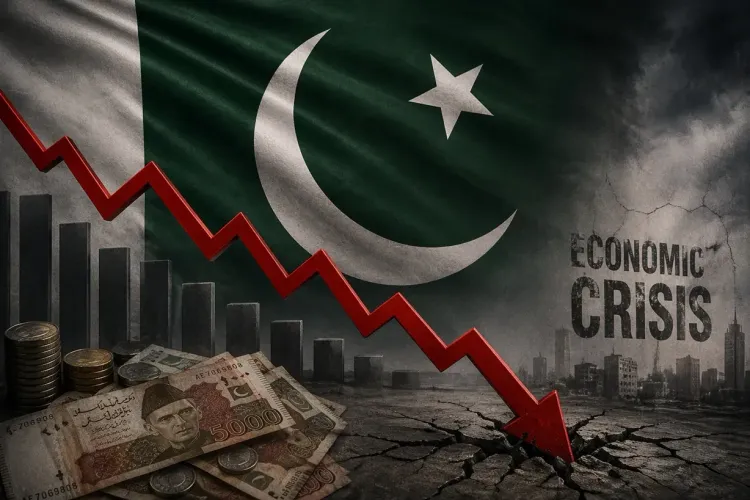
Pakistan exported goods worth 7.5 billion euros under the EU's GSP+ scheme in 2024 — but that access is now under threat. The EU's latest monitoring report flags persistent failures on human rights, judicial independence, and enforced disappearances, just as a tougher revised GSP+ framework prepares to take effect in 2027. For a fragile economy with a narrow export base and a textile sector heavily dependent on European markets, the stakes could not be higher.
Key Takeaways
Pakistan is under renewed EU scrutiny over its GSP+ trade benefits, with the latest monitoring report citing concerns over human rights and governance.
Pakistan exported goods worth 7.5 billion euros under the GSP+ scheme in 2024 ; tariff concessions were valued at approximately 732 million euros .
The revised GSP+ framework, effective from 2027 , will place greater emphasis on measurable compliance, raising the risk for countries with unresolved governance concerns.
Pakistan has faced similar scrutiny in previous review cycles, with concerns over enforced disappearances , judicial independence , and freedom of expression recurring.
Analysts warn that any disruption to GSP+ access could severely impact Pakistan's textile sector and its already stressed external economy.
Pakistan joined the GSP+ scheme in 2014 and has grown increasingly dependent on it amid weak export diversification and subdued foreign investment.
Pakistan is facing renewed and intensifying scrutiny from the European Union over its continued eligibility for the Generalised Scheme of Preferences Plus (GSP+) trade benefits, with the latest monitoring report flagging serious concerns over the country's human rights record, governance standards, and adherence to international commitments. The review carries significant economic weight: Pakistan exported goods worth 7.5 billion euros under the programme in 2024 alone, with tariff concessions estimated at 732 million euros.
What the EU Monitoring Report Found
According to reports citing the EU's assessment, persistent deficiencies have been identified in areas including the rule of law, freedom of expression, enforced disappearances, judicial independence, and accountability mechanisms. These concerns are not new — Pakistan has reportedly come under scrutiny during previous review cycles as well, with similar issues resurfacing each time.
Critically, the report underscored that preferential market access under GSP+ is conditional upon verifiable compliance with international conventions and is neither unconditional nor permanent. The EU's position signals that goodwill alone will not suffice as the revised framework approaches.
Why the 2027 Revised Framework Raises the Stakes
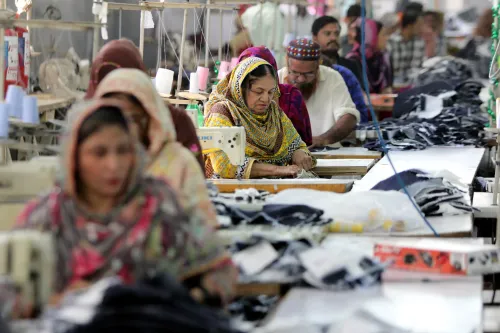
The revised GSP+ regime, set to come into effect from 2027, is expected to place considerably greater emphasis on measurable compliance benchmarks. For Pakistan, this tightening of conditions arrives at a particularly vulnerable moment. The country's fragile economy has grown increasingly dependent on the preferential arrangement since it joined the scheme in 2014, with the textile sector — heavily reliant on the European market — especially exposed to any disruption.
Analysts warn that a curtailment or suspension of GSP+ benefits could deliver a severe blow to Pakistan's already stressed external sector, which continues to grapple with weak export growth, subdued foreign direct investment, and heavy dependence on remittances.
Structural Vulnerabilities in Pakistan's Export Base
The monitoring report also pointed to deeper structural concerns beyond compliance. Pakistan's export base remains narrow and insufficiently diversified, leaving the country highly vulnerable to any shift in preferential access. Competitiveness has remained weak, and analysts argue that the country cannot indefinitely rely on trade concessions as a substitute for the structural reforms needed to make its export sector globally competitive.
This is not the first time such warnings have been issued. The pattern of repeated scrutiny across review cycles, without substantive remediation, has raised questions about Pakistan's long-term strategy for integrating into global trade on its own competitive merits.
Economic Dependence and the Road Ahead
Pakistan's reliance on the EU market — and specifically on GSP+ concessions — reflects a broader vulnerability in its trade architecture. With exports failing to diversify and limited penetration of new markets, the stakes of the 2027 review are unusually high. Officials and industry bodies will be watching closely as the EU moves toward stricter compliance assessments, with the textile sector's future market access potentially hanging in the balance.
Whether Islamabad can demonstrate credible progress on governance and human rights benchmarks before the revised framework takes effect remains an open and pressing question.
Point of View
With the same concerns resurfacing — suggests that Pakistan has treated GSP+ compliance as a diplomatic negotiation rather than a governance imperative. The 2027 revised framework changes that calculus: measurable benchmarks will be harder to paper over with assurances. More troubling is the structural picture: a decade of GSP+ access has not driven meaningful export diversification, raising the question of whether preferential trade has inadvertently reduced the urgency of competitive reform. If Pakistan loses or sees reduced GSP+ benefits in 2027, the textile sector will not be the only casualty — it will expose the full cost of delayed structural adjustment.
NationPress
27 Jul 2026
Frequently Asked Questions
What is the EU's GSP+ scheme and why does it matter to Pakistan?
The EU's Generalised Scheme of Preferences Plus (GSP+ ) grants tariff-free or preferential market access to eligible countries in exchange for compliance with international human rights and governance conventions. Pakistan has been a beneficiary since 2014 and exported goods worth 7.5 billion euros under the scheme in 2024, making it a critical pillar of the country's external trade.
Why is Pakistan's GSP+ access under threat?
The EU's latest monitoring report has raised serious concerns over Pakistan's human rights record, judicial independence, enforced disappearances, and freedom of expression. These are recurring issues from previous review cycles that Pakistan has not adequately addressed, casting doubt on its eligibility under the stricter revised framework due in 2027.
What changes in the revised GSP+ framework from 2027?
The revised GSP+ regime, effective from 2027, is expected to place significantly greater emphasis on measurable compliance with international conventions, rather than self-reported commitments. Countries that fail to demonstrate verifiable progress on governance and human rights benchmarks face a higher risk of losing or seeing reduced preferential access.
Which sectors in Pakistan are most at risk?
Pakistan's textile sector is most exposed, as it relies heavily on the European market and benefits directly from GSP+ tariff concessions. Analysts warn that any curtailment of benefits could severely impact the sector and worsen Pakistan's already stressed external economy.
Has Pakistan faced this kind of EU scrutiny before?
Yes. Pakistan has reportedly come under scrutiny during previous GSP+ review cycles, with concerns over governance, rule of law, and human rights resurfacing each time. The pattern of repeated scrutiny without substantive remediation has raised questions about the country's commitment to meeting its compliance obligations under the scheme.