India gifts Cobalt-60 source to Kyrgyzstan, Bhabhatron-2 treats 10x more patients
Synopsis
India's gift of a Cobalt-60 source to Kyrgyzstan is more than a medical upgrade — it is a quiet but pointed act of health diplomacy. The replenishment of the Bhabhatron-2 machine in Bishkek multiplies patient capacity tenfold and signals India's intent to sustain, not just initiate, its partnerships across Central Asia.
Key Takeaways
India gifted a new Cobalt-60 source to Kyrgyzstan for the Bhabhatron-2 cancer treatment machine at the National Centre of Oncology and Haematology, Bishkek .
The upgrade enables the machine to treat 10 times more patients per day , according to the Indian Embassy in Kyrgyzstan.
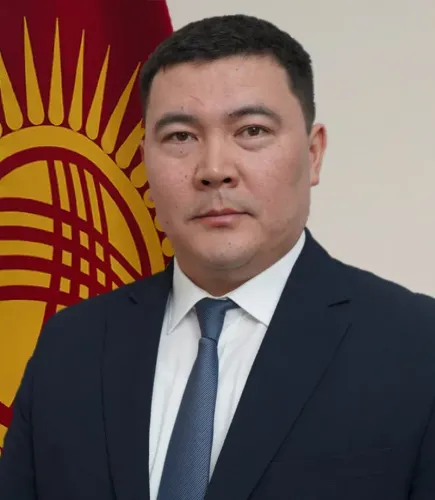
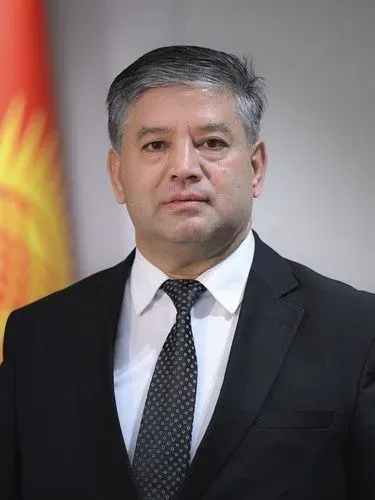
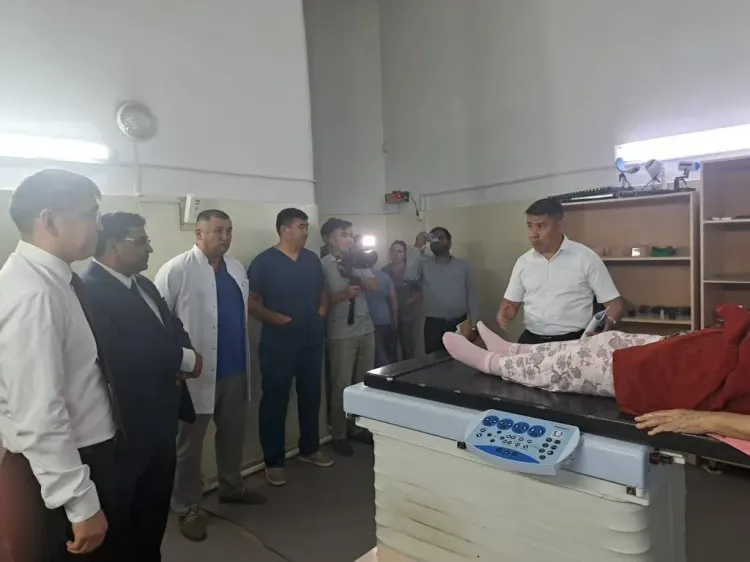
Kyrgyzstan Health Minister Damirbek Osmonov and Indian Ambassador Birender Singh Yadav reviewed the machine on 27 July .
The Bhabhatron-2 machine itself was also an earlier gift from the Government of India to Kyrgyzstan.
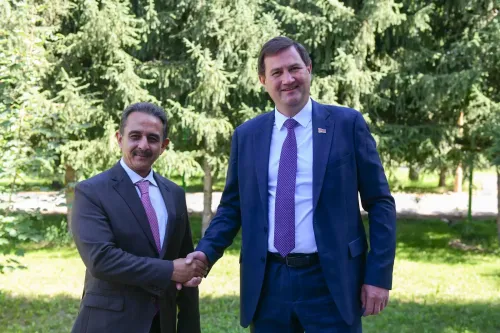
MoS for External Affairs Kirti Vardhan Singh met Kyrgyzstan's Foreign Minister at the SCO Council of Foreign Ministers' Meeting in Cholpon Ata last week, reaffirming the bilateral Strategic Partnership.
India has gifted a new Cobalt-60 radioactive source to Kyrgyzstan, enabling the Bhabhatron-2 cancer treatment machine at the National Centre of Oncology and Haematology in Bishkek to treat 10 times more patients per day. The development marks the latest chapter in a deepening India-Kyrgyzstan health partnership, following India's earlier donation of the Bhabhatron-2 machine itself to the same institution.
The Hospital Visit
On Monday, 27 July, Kyrgyzstan Health Minister Damirbek Osmonov and Indian Ambassador Birender Singh Yadav visited the National Centre of Oncology and Haematology in Bishkek to review the upgraded machine's functioning. The visit came after the Bhabhatron-2 was successfully loaded with the new Cobalt-60 source, according to the Indian Embassy in Kyrgyzstan.
The Embassy confirmed the significance of the upgrade in a post on X: 'The Cobalt-60 source replacement is a gift from the Government and people of India to the Kyrgyz Republic.'
What the Cobalt-60 Upgrade Means
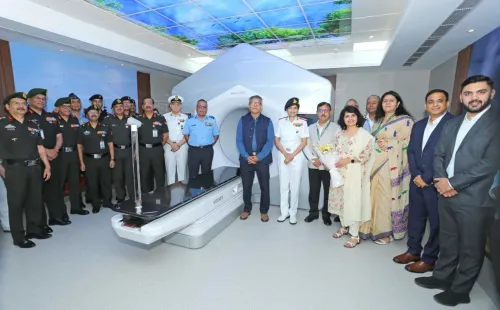
The Bhabhatron-2 is a cobalt-based radiotherapy machine developed in India and designed for cancer treatment in resource-limited settings. With the replacement of its Cobalt-60 source — which decays over time and must be periodically renewed — the machine regains full therapeutic capacity. According to the Embassy, the upgrade allows the centre to treat 10 times more patients per day than was possible with the depleted source.
This is a meaningful boost for Kyrgyzstan's oncology infrastructure, where access to advanced radiotherapy has historically been constrained. The Bhabhatron-2 was originally gifted by the Government of India to the National Centre of Oncology and Haematology, Bishkek, and the Cobalt-60 replenishment extends its operational life significantly.
Broader Diplomatic Context
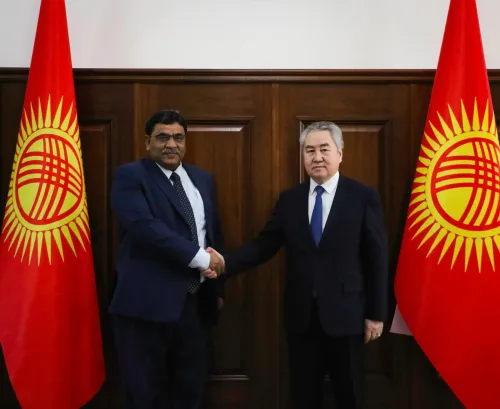
The healthcare gift comes alongside active diplomatic engagement between the two nations. Last week, Union Minister of State for External Affairs Kirti Vardhan Singh met Kyrgyzstan Foreign Minister Zheenbek Kulubaev on the sidelines of the Shanghai Cooperation Organisation (SCO) Council of Foreign Ministers' Meeting in the Kyrgyz resort town of Cholpon Ata.
The two ministers reviewed progress in the India-Kyrgyzstan Strategic Partnership and discussed avenues to deepen bilateral cooperation across key sectors. Minister Singh wrote after the meeting: 'Reaffirmed our shared commitment to further advancing the India–Kyrgyz Republic Strategic Partnership.'
India's Medical Diplomacy Track Record
The Bhabhatron-2 donation and Cobalt-60 replenishment are part of India's broader medical diplomacy outreach across Central Asia and the Global South. India has supplied Bhabhatron machines to several countries under its development assistance programmes, positioning indigenous health technology as a tool of soft power. Notably, this is not the first time India has stepped in to sustain a donated machine's operational life — the Cobalt-60 source renewal represents a longer-term commitment beyond the initial gift.
With the upgraded machine now operational, the National Centre of Oncology and Haematology in Bishkek is expected to significantly reduce wait times for cancer patients requiring radiotherapy.
Point of View
Where Chinese infrastructure investment dominates the narrative, India's quieter medical outreach — rooted in indigenous technology like the Bhabhatron — offers a differentiated form of influence. The tenfold increase in daily patient capacity is the kind of tangible, visible impact that builds durable goodwill at the population level, not just the diplomatic one.
NationPress
26 Oct 2026
Frequently Asked Questions
What is the Cobalt-60 source gifted by India to Kyrgyzstan?
India gifted a replacement Cobalt-60 radioactive source for the Bhabhatron-2 cancer treatment machine at the National Centre of Oncology and Haematology in Bishkek. Cobalt-60 is the core radiotherapy element in the machine and must be periodically replaced as it decays, restoring the machine's full treatment capacity.
What is the Bhabhatron-2 machine?
The Bhabhatron-2 is an indigenously developed Indian cobalt-based radiotherapy machine used for cancer treatment. The Government of India had earlier gifted the machine itself to the National Centre of Oncology and Haematology in Bishkek, Kyrgyzstan, as part of its development assistance.
How does the Cobalt-60 upgrade help Kyrgyzstan's cancer patients?
According to the Indian Embassy in Kyrgyzstan, the Cobalt-60 source replacement enables the Bhabhatron-2 to treat 10 times more patients per day than was possible with the depleted source. This is expected to significantly reduce wait times for radiotherapy at the Bishkek oncology centre.
What diplomatic meetings accompanied this development?
Union Minister of State for External Affairs Kirti Vardhan Singh met Kyrgyzstan Foreign Minister Zheenbek Kulubaev on the sidelines of the SCO Council of Foreign Ministers' Meeting in Cholpon Ata. The two sides reviewed progress in the India-Kyrgyzstan Strategic Partnership and discussed deepening bilateral cooperation.
Is this India's first medical gift to Kyrgyzstan?
No. The Bhabhatron-2 machine itself was an earlier gift from the Government of India to the National Centre of Oncology and Haematology in Bishkek. The Cobalt-60 source is a follow-on gift that renews the machine's operational capacity, reflecting a sustained rather than one-time commitment.