Maharashtra Cabinet clears Nagpur Cyclotron, Unmanned Systems Policy 2026
Synopsis
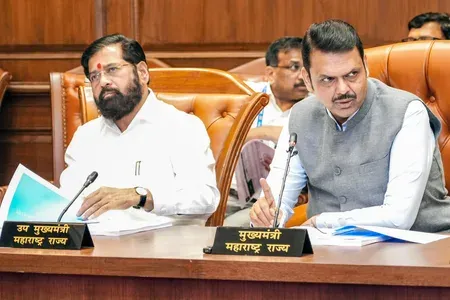
In a single Cabinet sitting, CM Devendra Fadnavis cleared seven major decisions — from a first-of-its-kind medical cyclotron in Nagpur to a drone manufacturing policy and a rural broadband SPV. The breadth of Tuesday's approvals suggests Maharashtra is making a calculated bid to lead on both healthcare access and deep-tech manufacturing simultaneously.
Key Takeaways
The Maharashtra Cabinet on 16 June approved the Nagpur High-Energy Medical Cyclotron Project (NHECP) — the only such facility in Central India .
The Maharashtra Unmanned Systems Policy 2026 was cleared to promote drone and automated systems manufacturing across aerial, maritime, and terrestrial domains.
The Maharashtra Rural Drinking Water Policy 2026 aims to deliver clean drinking water to every rural household in the state.
A dedicated SPV — Mahanet Digital Infrastructure Limited (MDIL) — will oversee Bharat Net broadband rollout in rural Maharashtra.
The Maharashtra Employment Guarantee Act, 1977 will be amended to align with the central VBG Ramji Act, 2025 .
Elected local body representatives received a six-month final extension to submit mandatory Caste Validity Certificates .
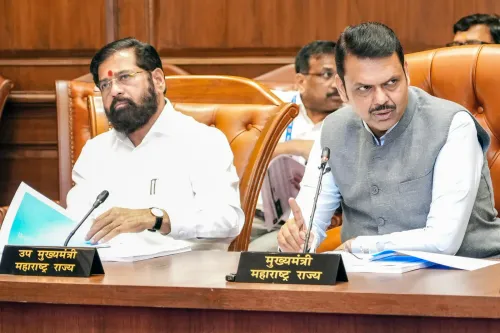
The Maharashtra Cabinet, chaired by Chief Minister Devendra Fadnavis, on Tuesday, 16 June approved a clutch of major policies spanning healthcare diagnostics, drone manufacturing, rural water supply, and broadband connectivity — signalling a wide-ranging push to modernise the state's infrastructure and regulatory framework.
Nagpur High-Energy Medical Cyclotron Project
In a significant boost to medical diagnostics in Central India, the Cabinet cleared the Nagpur High-Energy Medical Cyclotron Project (NHECP), to be spearheaded by the Medical Education and Drugs Department. The facility will be the only one of its kind in the region, offering precision diagnostic capabilities for a wide range of complex diseases. According to officials, the project is intended to provide relief to economically weaker sections who previously had to travel to distant metros for high-end medical imaging and diagnostic scans. This comes amid longstanding concerns about healthcare access gaps between Maharashtra's urban centres and its interior districts.
Maharashtra Unmanned Systems Policy 2026
Looking to position Maharashtra as a premier technology and manufacturing hub, the Cabinet cleared the Maharashtra Unmanned Systems Policy 2026, managed by the Department of Electronics, Information Technology, and Artificial Intelligence. The policy lays down a comprehensive framework to incentivise the manufacturing of unmanned vehicles across aerial, maritime, and terrestrial domains. It will actively promote Research and Development (R&D), manufacturing, and skill development for drones, automated agricultural systems, and specialised robots designed for hazardous industrial environments. Notably, this aligns Maharashtra with the Centre's broader push to build a domestic drone ecosystem following the national drone policy rollout.
Rural Drinking Water Policy 2026 and Bharat Net Expansion
To address seasonal water scarcity in rural areas, the Cabinet approved the Maharashtra Rural Drinking Water Policy 2026 under the Water Supply and Sanitation Department. The policy focuses on sustainable development of rural water supply systems by integrating existing water schemes, with the long-term goal of delivering clean, disinfected drinking water to every rural household across the state.
Separately, the Cabinet approved a revised implementation methodology for the Bharat Net Programme in Maharashtra. A dedicated Special Purpose Vehicle (SPV) — Mahanet Digital Infrastructure Limited (MDIL) — will be set up to oversee rapid deployment of high-speed broadband connectivity across rural and remote parts of the state. The SPV model is designed to accelerate execution and ensure accountability in rollout timelines.
Employment Guarantee Act Amendment and Other Decisions
The Cabinet also approved an ordinance amending the Maharashtra Employment Guarantee Act, 1977, to align the state's legal framework with the provisions of the central Viksit Bharat - G Ramji (VBG Ramji) Act, 2025. The legal synchronisation is aimed at streamlining the implementation of the VBG Ramji welfare scheme across Maharashtra's rural employment landscape.
In a relief for elected representatives in local self-government bodies, the Cabinet granted a six-month final extension for submitting mandatory Caste Validity Certificates. The Urban Development Department was authorised to introduce legislative amendments to the Mumbai Municipal Corporation Act, the Maharashtra Municipalities Act, and the Maharashtra Municipal Councils, Nagar Panchayats, and Industrial Townships Act to legally validate this extension window.
What Comes Next
With seven major approvals in a single sitting, the Fadnavis Cabinet has signalled intent to accelerate both welfare delivery and technology-led economic growth ahead of what are expected to be politically significant months for the ruling alliance. Implementation timelines and budgetary allocations for the cyclotron project and the unmanned systems policy are awaited.
Point of View
And the cyclotron project's benefit will depend entirely on whether the facility is operationalised on schedule and made genuinely affordable for the patients it targets. The Unmanned Systems Policy 2026 is the most consequential of the lot — if Maharashtra can attract drone manufacturing at scale, it could establish a durable industrial edge. The risk is that without hard investment commitments and a talent pipeline, the policy remains a framework on paper.
NationPress
15 Sept 2026
Frequently Asked Questions
What is the Nagpur High-Energy Medical Cyclotron Project?
The Nagpur High-Energy Medical Cyclotron Project (NHECP) is a state-approved advanced diagnostic facility that will be the only one of its kind in Central India. It will provide precision medical imaging and diagnostics for complex diseases, particularly benefiting patients from economically weaker sections who previously had to travel to distant metros for such services.
What does the Maharashtra Unmanned Systems Policy 2026 cover?
The policy provides a comprehensive framework to incentivise manufacturing of unmanned vehicles across aerial, maritime, and terrestrial domains in Maharashtra. It also promotes R&D, skill development, and the deployment of drones for agriculture and specialised robots for hazardous industrial environments.
What is Mahanet Digital Infrastructure Limited (MDIL)?
MDIL is a Special Purpose Vehicle (SPV) approved by the Maharashtra Cabinet to oversee the implementation of the Bharat Net Programme in the state. It will manage the rapid deployment of high-speed broadband and digital infrastructure across rural and remote areas of Maharashtra.
Why was the Maharashtra Employment Guarantee Act amended?
The Maharashtra Cabinet approved an ordinance amending the Maharashtra Employment Guarantee Act, 1977, to align it with the central Viksit Bharat - G Ramji (VBG Ramji) Act, 2025. The amendment is intended to streamline implementation of the VBG Ramji welfare scheme across rural Maharashtra.
Who benefits from the Caste Validity Certificate extension approved by the Cabinet?
Elected representatives in local self-government bodies across Maharashtra benefit from the six-month final extension for submitting mandatory Caste Validity Certificates. Legislative amendments to three municipal acts will be introduced to legally validate the extension.