Maharashtra clears 17 professional colleges for tribal and hilly districts
Synopsis
Maharashtra has approved 17 new professional colleges specifically for its most underserved tribal and hilly districts — a targeted intervention in areas like Gadchiroli and Nandurbar that have long lacked quality higher education infrastructure. Paired with a pharmacy college freeze until 2030-31 and a revamped BATU master plan, this is one of the state’s most comprehensive higher education resets in recent years.
Key Takeaways
Maharashtra CM Devendra Fadnavis approved 17 new professional colleges at a MAHED meeting on 14 May .
Colleges will cover Engineering , Architecture , HMCT , and B.Voc courses across 7 districts : Gadchiroli, Nandurbar, Hingoli, Washim, Dharashiv, Sindhudurg, and Parbhani.
Over 61,000 students have already been trained through the Ratan Tata Maharashtra State Skill University .
No new B.Pharmacy or D.Pharmacy colleges will be permitted until 2030-31 ; existing intake caps frozen from 2027-28 .
The BATU master plan for 2025–2031 was approved, with industry partnerships and curriculum modernisation mandated.
New skill development centres sanctioned to bridge the human capital–talent capital gap.
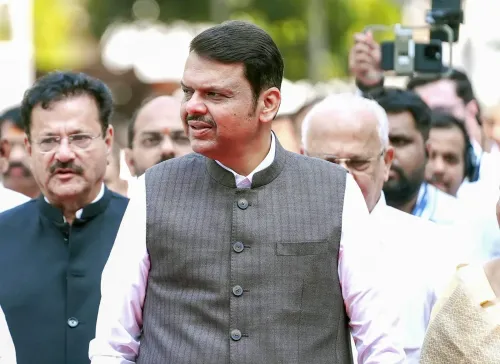
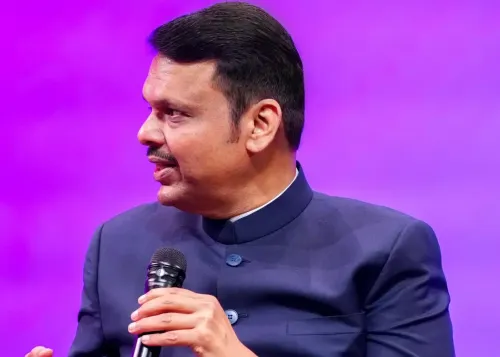
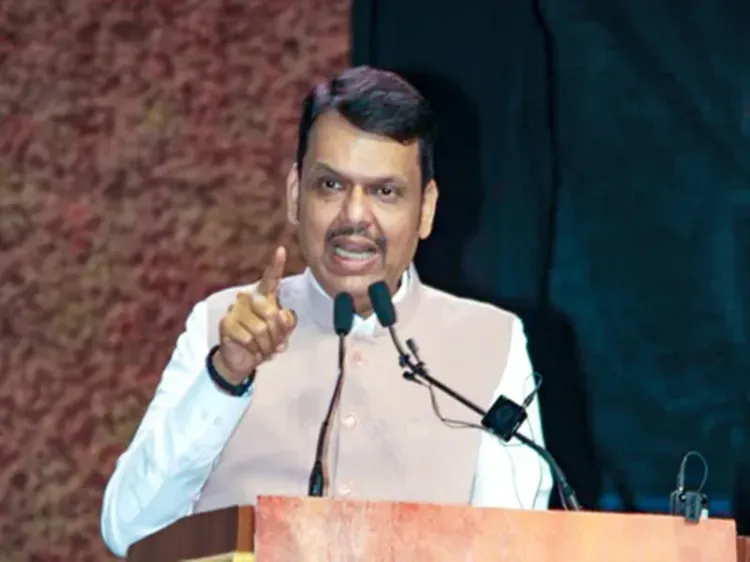
Maharashtra Chief Minister Devendra Fadnavis has approved 17 new professional colleges across tribal, hilly, and backward districts of the state, in a move aimed at bridging the skill education gap in historically underserved regions. The decision was taken at a meeting of the Maharashtra State Higher Education and Development Commission (MAHED) chaired by the Chief Minister on 14 May.
Key Developments
Priority approval has been granted for colleges specialising in Engineering, Architecture, Hotel Management and Catering Technology (HMCT), and B.Voc courses across seven identified districts: Gadchiroli, Nandurbar, Hingoli, Washim, Dharashiv, Sindhudurg, and Parbhani. Engineering and B.Voc colleges are planned for all seven districts, while Architecture colleges will be prioritised in Dharashiv and Parbhani, and HMCT institutes are earmarked for Nandurbar and Sindhudurg.
What the Government Said
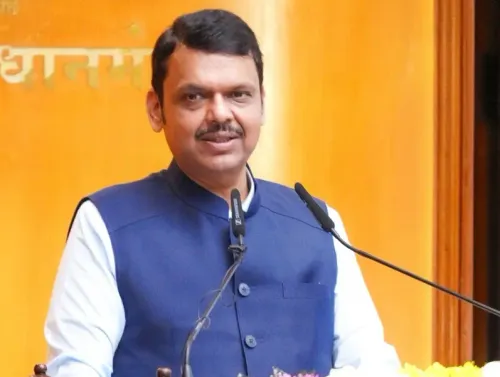
Chief Minister Fadnavis emphasised that education must evolve in step with changing industrial requirements and emerging employment opportunities. “We are focusing on making our youth employment-ready by developing new curricula that meet the demands of modern industry. Through the Ratan Tata Maharashtra State Skill University, over 61,000 students have already been trained in industry-friendly skills,” he said.
Fadnavis also directed traditional colleges to introduce Social Work as an independent faculty to broaden students’ skill sets, and highlighted the integration of the National Education Policy (NEP) with a focus on multidisciplinary learning.
Pharmacy Sector Cap and Quality Controls
In a significant regulatory step, the state government has decided that no new B.Pharmacy or D.Pharmacy institutions will be permitted until the academic year 2030-31. Additionally, existing institutions will not be allowed to increase intake capacity from 2027-28 to 2030-31, a measure aimed at preventing over-saturation and maintaining educational quality. This directive will be formally communicated to the Central Government and the Pharmacy Council of India (PCI).
BATU Master Plan and Skill Centres
The MAHED meeting also granted approval to the master plan of Dr Babasaheb Ambedkar Technological University (BATU) for the 2025–2031 period. The university has been directed to forge industry partnerships for research and advanced laboratories, modernise its curriculum to match industry standards, and cap intake capacity to protect educational quality.
New skill development centres have also been sanctioned to close the gap between human capital and talent capital, according to the official release.
Impact on Citizens
The seven districts targeted are among Maharashtra’s most economically lagging, with Gadchiroli and Nandurbar historically ranking low on development indices. By locating professional institutions in these areas, the government aims to reduce migration to urban centres for higher education and create locally rooted employment pipelines. This comes amid a broader national push under NEP 2020 to decentralise quality higher education and align it with vocational outcomes. Whether execution matches the scale of the announcement will depend on faculty recruitment, infrastructure timelines, and sustained state funding.
Point of View
But directing the order to PCI signals the state knows it cannot enforce this unilaterally. The BATU industry-partnership mandate is similarly aspirational unless specific companies and timelines are named. This announcement sets the right priorities; execution will determine whether it becomes a genuine regional development lever or another headline without follow-through.
NationPress
20 Sept 2026
Frequently Asked Questions
Which districts will get the 17 new professional colleges in Maharashtra?
The 17 colleges will be established across seven priority districts: Gadchiroli, Nandurbar, Hingoli, Washim, Dharashiv, Sindhudurg, and Parbhani. These are identified as tribal, hilly, or backward regions where access to professional education has historically been limited.
What courses will the new Maharashtra colleges offer?
The colleges will offer Engineering, Architecture, Hotel Management and Catering Technology (HMCT), and B.Voc courses. Engineering and B.Voc colleges are planned for all seven districts, Architecture for Dharashiv and Parbhani, and HMCT for Nandurbar and Sindhudurg.
Why has Maharashtra frozen new pharmacy college approvals?
The state government has decided to permit no new B.Pharmacy or D.Pharmacy institutions until 2030-31, and to freeze intake increases in existing colleges from 2027-28, to prevent over-saturation and protect educational quality. The directive will be sent to the Central Government and the Pharmacy Council of India.
What is the BATU master plan approved at the MAHED meeting?
Dr Babasaheb Ambedkar Technological University’s master plan for 2025–2031 was approved, directing the university to partner with industries for research and advanced labs, modernise its curriculum to industry standards, and cap student intake to maintain quality.
How many students has the Ratan Tata Maharashtra State Skill University trained so far?
According to Chief Minister Devendra Fadnavis, over 61,000 students have been trained in industry-friendly skills through the Ratan Tata Maharashtra State Skill University since its establishment.