Maharashtra cabinet clears MahaNet Digital Infrastructure Ltd for BharatNet Phase-2
Synopsis
Maharashtra has created a ring-fenced SPV — MDIL — to finally execute BharatNet Phase-2 without inheriting the legal and financial baggage of earlier phases. The clean-slate structure, with Centre-State board representation, is a direct response to why rural broadband rollouts have stalled repeatedly. Whether MDIL avoids the same execution traps is the real question.
Key Takeaways
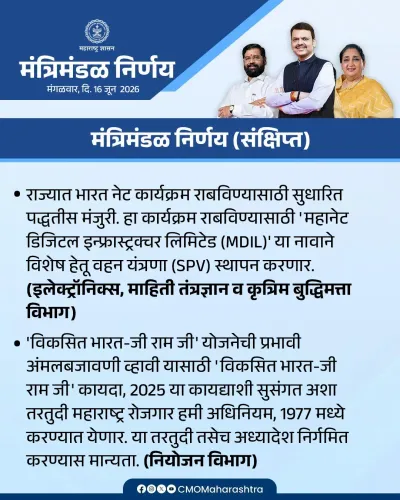
Maharashtra Cabinet approved Mahanet Digital Infrastructure Limited (MDIL) as an SPV to execute BharatNet Phase-2 on 16 June .
MDIL will connect all gram panchayats and rural households via optical fibre, supporting FTTH , 4G expansion , and e-governance .
Existing Phase-1 and Phase-2 assets transfer to MDIL on an 'as-is' basis ; legacy liabilities and legal disputes are excluded.
The Maharashtra Employment Guarantee Act, 1977 will be amended via ordinance to align with the central VBG Ram Ji Act, 2025 .
Caste Validity Certificate submission deadline extended by six months for SC, ST, and OBC local body representatives elected in 2025-26 .
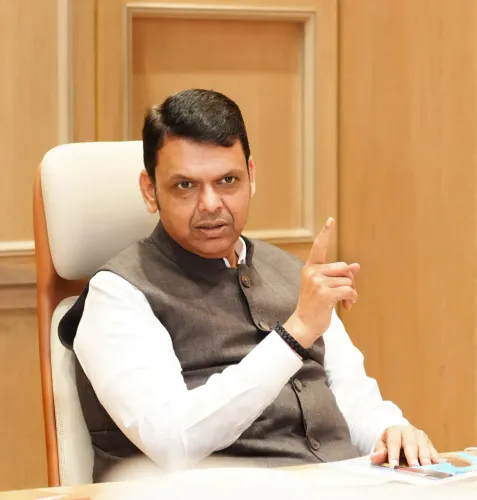
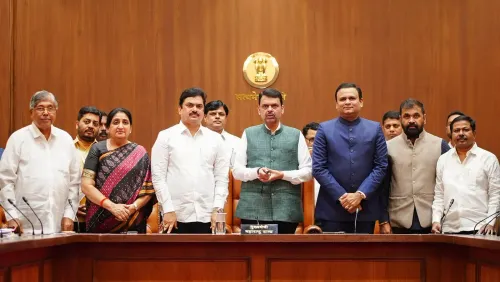
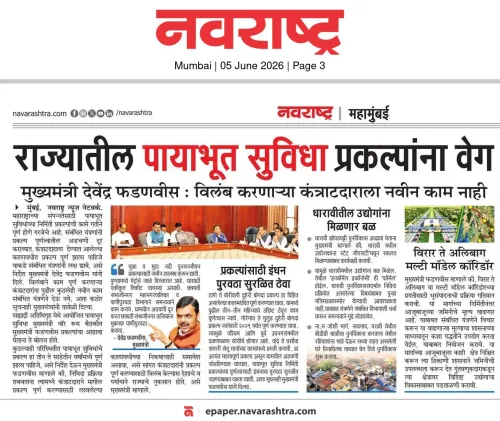
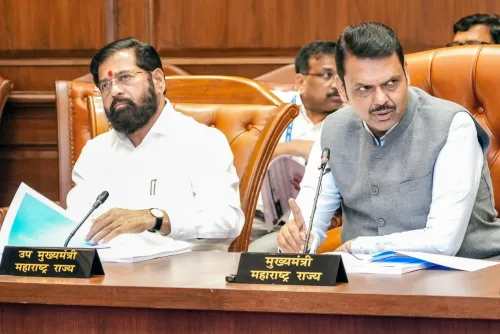
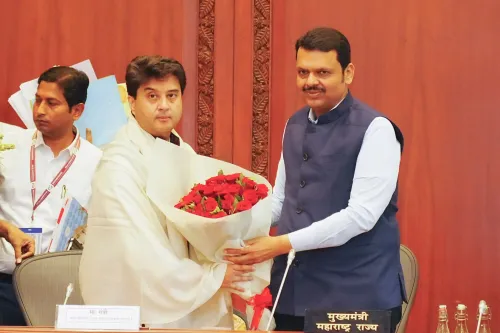
The Maharashtra Cabinet, chaired by Chief Minister Devendra Fadnavis, on Tuesday, 16 June approved the creation of a Special Purpose Vehicle (SPV) called Mahanet Digital Infrastructure Limited (MDIL) to drive the upgraded BharatNet Phase-2 programme across the state. The decision signals a structural overhaul of how Maharashtra intends to deliver rural broadband at scale.
What MDIL Will Do
According to an official government release, MDIL will construct a high-speed optical fibre broadband backbone linking all gram panchayats and rural households to the internet, supporting e-governance, 4G mobile expansion, and Fibre-to-the-Home (FTTH) connections. The existing network assets from BharatNet Phase-1 and Phase-2 will be transferred to the new SPV on an 'as-is' basis.
Critically, pending legal disputes and financial liabilities from earlier phases will not be transferred to MDIL, insulating the new entity from legacy complications that have historically slowed similar infrastructure rollouts in other states.
Governance Structure
The Administrator of the Digital Bharat Nidhi will serve as Chairman of MDIL. The board will include senior bureaucrats from Maharashtra's Finance, Rural Development, IT, and Revenue departments, alongside four central government nominees — a structure designed to ensure Centre-State coordination in execution.
Employment Guarantee Act Amended for Viksit Bharat Mission
The cabinet also cleared amendments to the Maharashtra Employment Guarantee Act, 1977, via an ordinance, to integrate the central government's Viksit Bharat Employment and Livelihood Guarantee Mission (Rural) — formally known as the Viksit Bharat-G Ram Ji (VBG Ram Ji) Act, 2025. The amendment empowers the state to align local employment generation with national sustainable livelihood goals and make necessary budgetary provisions under Section 3-A (1) of the State Act. The ordinance has been cleared for submission to the Governor for formal approval.
Caste Validity Certificate Deadline Extended by Six Months
In a separate decision, the cabinet approved an ordinance extending the deadline for submitting Caste Validity Certificates by an additional six months. The move is intended to protect elected representatives in reserved seats — covering SC, ST, and OBC categories — in Local Self-Government elections held during 2025-26 who faced disqualification risks due to processing backlogs.
Delays were attributed to a temporary manpower shortage in Caste Verification Committees and the deployment of government teachers for census duties, which disrupted mandatory school and home inquiries. The Mumbai Municipal Corporation Act and the Maharashtra Municipal Councils, Nagar Panchayats and Industrial Townships Act will be amended accordingly to give effect to this extension.
The three decisions collectively reflect the Fadnavis cabinet's push to clear administrative bottlenecks in digital infrastructure, rural employment, and local governance ahead of the next electoral cycle.
Point of View
But Maharashtra is not the first state to attempt a fresh-start vehicle for rural connectivity; execution, not incorporation, has always been the failure point. The Centre-State board composition is encouraging, but without enforceable timelines and independent audit of gram panchayat connectivity, MDIL risks becoming another well-designed entity that underdelivers on the ground. The caste certificate extension, meanwhile, is a pragmatic relief measure — but the fact that census duty deployments disrupted a statutory verification process points to a deeper resource-planning gap in state administration.
NationPress
19 Sept 2026
Frequently Asked Questions
What is Mahanet Digital Infrastructure Limited (MDIL)?
MDIL is a Special Purpose Vehicle approved by the Maharashtra Cabinet on 16 June to execute the upgraded BharatNet Phase-2 programme. It will build a high-speed optical fibre broadband backbone connecting all gram panchayats and rural households across Maharashtra to high-speed internet.
Why was a new SPV created instead of using the existing BharatNet structure?
The new SPV was created to insulate the rollout from legacy complications — pending legal disputes and financial liabilities from BharatNet Phase-1 and Phase-2 will not be transferred to MDIL. The clean-slate structure is intended to accelerate execution without inherited baggage.
How will MDIL be governed?
The Administrator of the Digital Bharat Nidhi will chair MDIL. The board will include senior Maharashtra bureaucrats from Finance, Rural Development, IT, and Revenue departments, along with four central government nominees, ensuring joint Centre-State oversight.
What changes were made to the Maharashtra Employment Guarantee Act?
The cabinet cleared an ordinance amending the Maharashtra Employment Guarantee Act, 1977, to align it with the central government's Viksit Bharat-G Ram Ji (VBG Ram Ji) Act, 2025. The amendment allows the state to integrate local employment schemes with national rural livelihood goals and make budgetary provisions under Section 3-A (1).
Who benefits from the Caste Validity Certificate deadline extension?
Representatives elected to reserved seats — SC, ST, and OBC categories — in Local Self-Government elections held during 2025-26 who faced disqualification due to processing delays will get an additional six months to submit their Caste Validity Certificates. Delays were caused by staff shortages in Caste Verification Committees and teachers being deployed for census duties.