Maharashtra Unmanned Systems Policy 2026–2031: ₹25,000 crore target, 1 lakh jobs
Synopsis
Maharashtra has become one of the first Indian states to craft a policy covering not just drones but also marine and ground-based autonomous systems. With ₹25,000 crore in targeted investment, 1 lakh jobs, and a dedicated Unmanned Systems Corporation as a single-window body, the state is making a calculated bet to lead India's autonomous-systems economy — if it can resolve the regulatory red-zone tangle in the Mumbai Metropolitan Region that spooked industry before the policy was even approved.
Key Takeaways
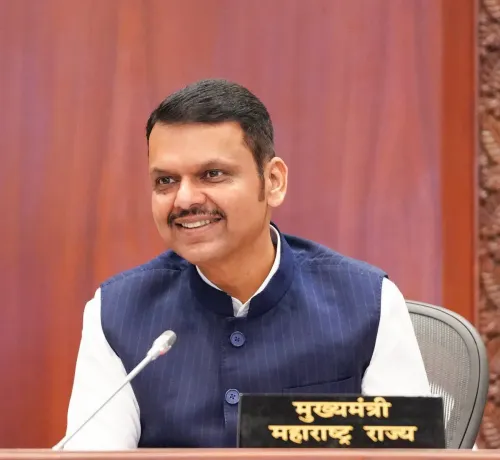
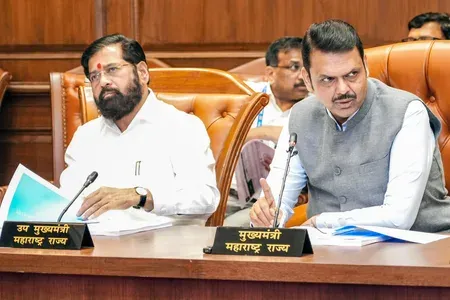
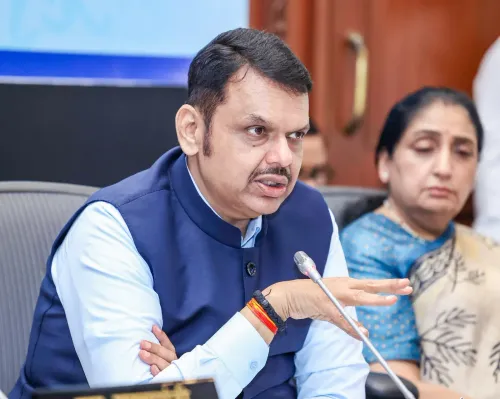
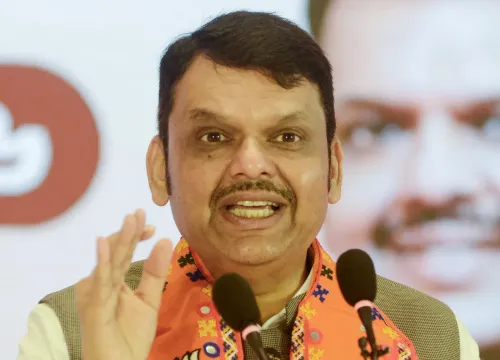
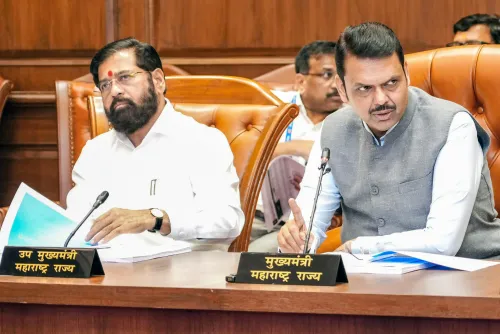
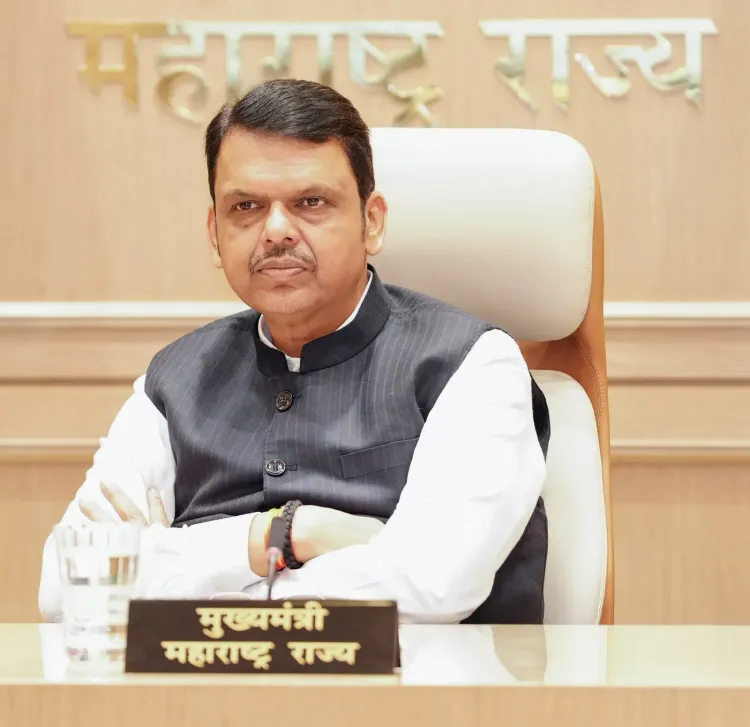
The Maharashtra Cabinet, chaired by Chief Minister Devendra Fadnavis , approved the Unmanned Systems Policy 2026–2031 on 16 June .
The policy targets ₹25,000 crore in investment and over 1 lakh direct and indirect jobs across manufacturing, R&D, services, and operations.
Scope covers UAVs , autonomous marine vehicles, and ground-based robotic systems — air, surface, water, and land.
At least 5,000 Remote Pilots are to be trained and certified; three Centres of Excellence and specialised manufacturing clusters will be established.
A dedicated Unmanned Systems Corporation will act as a single-window regulatory body to attract investment and resolve red-zone ambiguity in the Mumbai Metropolitan Region .
The 'Maharashtra Unmanned Systems Mission' will oversee operations and accelerate domestic IP creation over five years.
The Maharashtra government on Tuesday, 16 June approved the Unmanned Systems Policy 2026–2031, a five-year strategic framework aimed at positioning the state as the 'Capital of Unmanned Systems' — with a target of attracting ₹25,000 crore in investment and generating over 1 lakh direct and indirect jobs. The policy was cleared by the state Cabinet chaired by Chief Minister Devendra Fadnavis.
What the Policy Covers
The framework extends well beyond conventional aerial drones. It encompasses Unmanned Aerial Vehicles (UAVs), autonomous marine surface and underwater vehicles, and ground-based robotic systems — covering air, surface, water, and land-based operations. The policy is spearheaded by the Department of Electronics, Information Technology and Artificial Intelligence and creates a unified end-to-end development framework across multiple sectors.
The state plans to deploy these systems across agriculture (precision farming, crop monitoring, spraying operations), urban transport (automated signalling), and high-risk operations in hazardous environments where manual intervention poses a threat.
Key Targets and Milestones
Over the policy's five-year horizon, the state has set out several specific targets. These include developing specialised manufacturing clusters equipped with testing and commercialisation facilities, establishing three world-class Centres of Excellence (CoEs), training and certifying at least 5,000 Remote Pilots, and launching the 'Maharashtra Unmanned Systems Mission' to oversee operations and accelerate domestic Intellectual Property (IP) creation.
Execution is structured around five foundational pillars: research, innovation and start-ups; testing, certification and infrastructure; manufacturing and industrial ecosystem; capacity building and skill development; and adoption, governance and market creation.
Addressing Industry Pain Points
Prior to formal approval, industry stakeholders had flagged a lack of dedicated in-state testing zones and regulatory ambiguity surrounding 'red zones' — restricted airspaces — in the Mumbai Metropolitan Region (MMR). These gaps, critics warned, risked driving businesses to neighbouring states.
According to the government statement, the policy directly addresses these concerns by laying out blueprints for state-of-the-art testing infrastructure and a dedicated Unmanned Systems Corporation — a single-window regulatory and facilitative body designed to attract major financial investments. The state also intends to aggressively support its growing network of Remote Pilot Training Organisations (RPTOs).
Broader Economic Ambition
Maharashtra's push into unmanned systems fits into a wider national and global race to dominate the drone and autonomous-vehicle economy. India's own Drone Rules 2021 and subsequent PLI scheme for drones have created a policy tailwind; Maharashtra is now attempting to capture the largest share of that opportunity domestically. Notably, this is one of the first state-level policies in India to explicitly cover marine and ground-based autonomous systems alongside UAVs — a scope that sets it apart from comparable frameworks in other states.
With implementation guidelines and the Unmanned Systems Corporation yet to be operationalised, the policy's real test will come in execution over the next 12–18 months.
Point of View
Testing infrastructure will remain underutilised regardless of how many clusters are announced. The ₹25,000 crore investment target also warrants scrutiny — comparable state-level tech policies in India have historically attracted a fraction of their headline figures in the first three years. Maharashtra's edge is its existing electronics and IT ecosystem, but converting that into drone-economy dominance requires execution discipline that policy documents alone cannot guarantee.
NationPress
27 Sept 2026
Frequently Asked Questions
What is Maharashtra's Unmanned Systems Policy 2026–2031?
It is a five-year state policy approved on 16 June by the Maharashtra Cabinet, aimed at making the state the 'Capital of Unmanned Systems.' The policy targets ₹25,000 crore in investment and over 1 lakh jobs, covering UAVs, autonomous marine vehicles, and ground-based robotic systems across sectors including agriculture, urban transport, and security.
How many jobs does the Maharashtra drone policy aim to create?
The policy targets more than 1 lakh direct and indirect jobs across manufacturing, R&D, services, and operations over the five-year period from 2026 to 2031.
What is the Unmanned Systems Corporation announced in the policy?
It is a dedicated state body that will serve as a single-window regulatory and facilitative mechanism to attract investment and address industry pain points such as red-zone ambiguity in the Mumbai Metropolitan Region. It is intended to prevent businesses from relocating to neighbouring states.
Which sectors will benefit from Maharashtra's unmanned systems push?
The policy targets agriculture (precision farming, crop monitoring, spraying), urban transport (automated signalling), security operations, and hazardous-environment management. It covers air, surface, water, and land-based autonomous systems.
What were industry concerns before the policy was approved?
Industry stakeholders flagged a lack of dedicated in-state testing zones and regulatory ambiguity over 'red zones' — restricted airspaces — in the Mumbai Metropolitan Region. The policy addresses these by proposing state-of-the-art testing infrastructure and the Unmanned Systems Corporation as a single-window body.