Maharashtra Cabinet approves Urban Challenge Fund scheme worth ₹44,800 crore
Synopsis
Maharashtra has committed ₹44,800 crore under the Urban Challenge Fund — but the real bet is on ₹22,400 crore to be raised through markets, not budgets. If Nashik and Pune's bond issuances are the template, this could redefine how Indian cities finance infrastructure. If they aren't, it risks becoming another ambitious urban scheme that stalls at the capital-raising stage.
Key Takeaways
The Maharashtra Cabinet approved the Urban Challenge Fund (UCF) scheme on 14 July , covering 2025-26 to 2030-31 .
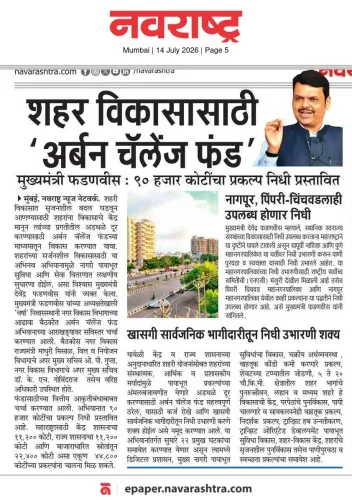
Maharashtra's share of the national ₹90,000 crore outlay is ₹44,800 crore , split between Central funds ( ₹11,200 crore ), state funds ( ₹11,200 crore ), and market-based financing ( ₹22,400 crore ).
The scheme rests on three pillars: Water and Sanitation , Creative Urban Redevelopment , and Cities as Growth Hubs .
Approximately 22 focus areas are covered, including digital governance, TOD infrastructure, and last-mile connectivity.
Nashik and Pune Municipal Corporations have already raised funds under similar mechanisms; Pimpri-Chinchwad and Nagpur are next in line.
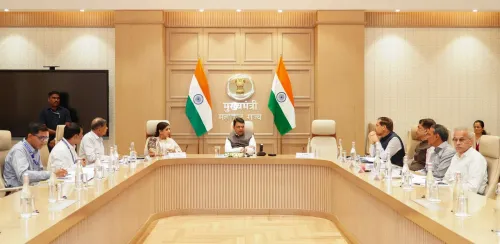
The Maharashtra Cabinet on Tuesday, 14 July approved the implementation of the centrally sponsored Urban Challenge Fund (UCF) scheme, set to run from 2025-26 to 2030-31. The scheme aims to transition Urban Local Bodies (ULBs) toward market-based financing, enabling cities across the state to raise capital through municipal bonds and Public-Private Partnerships (PPPs).
Funding Framework
The UCF carries an overall national project outlay of ₹90,000 crore. Of this, Maharashtra has mapped out a target mobilisation framework of ₹44,800 crore, structured as follows: ₹11,200 crore from the Central government, ₹11,200 crore from the state government, and ₹22,400 crore to be sourced through market-based mechanisms. This blend of public and private capital is designed to reduce dependence on budgetary grants and push ULBs toward financial self-sufficiency.
Three Core Pillars
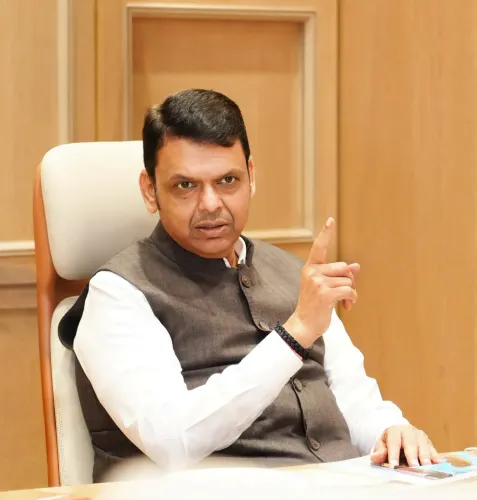
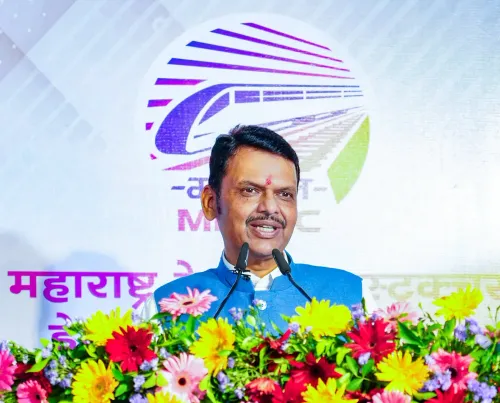
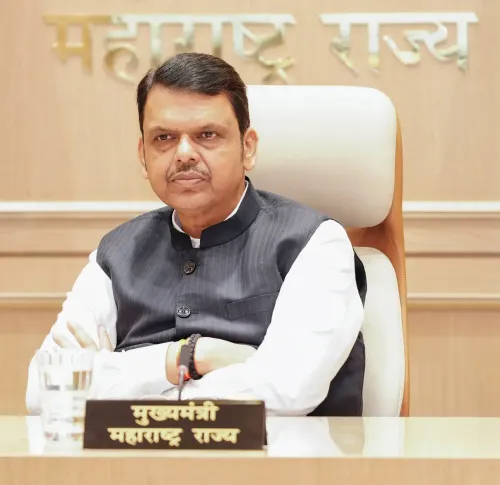
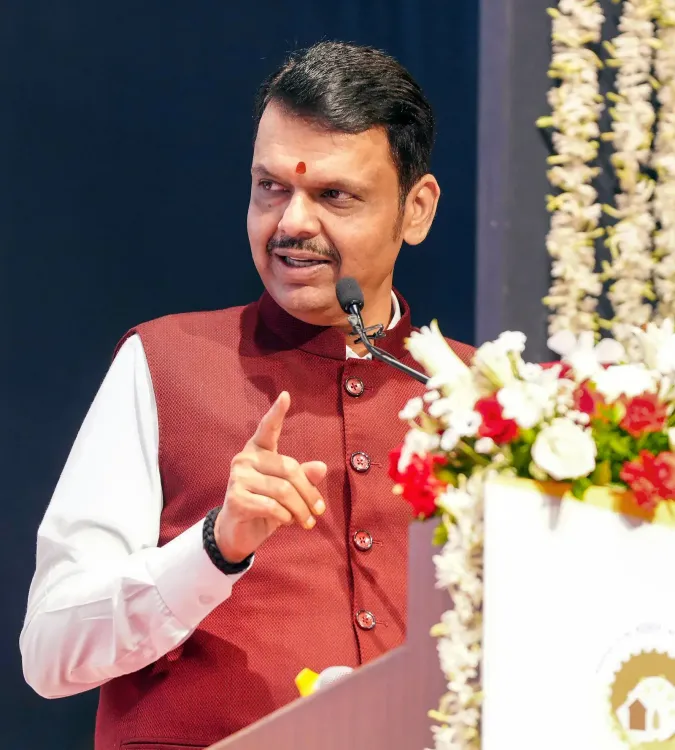
The UCF is structured around three strategic pillars: Water and Sanitation, Creative Urban Redevelopment, and Cities as Growth Hubs. Chief Minister Devendra Fadnavis expressed confidence that the fund will position cities as engines of economic growth and systematically remove bottlenecks hindering urban progress. He stated that the initiative will lead to 'significant improvements in civic infrastructure and service delivery across urban areas.'
22 Focus Areas
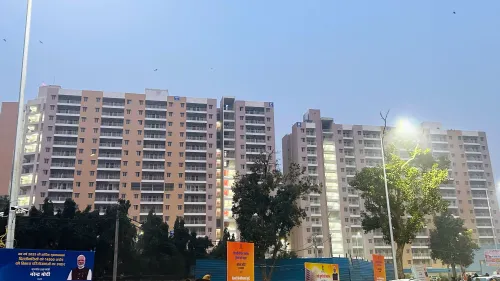
The UCF campaign will encompass approximately 22 key focus areas, including digital governance, core civic infrastructure, circular economy initiatives, de-congestion and traffic management, last-mile connectivity, revitalisation of urban zones spanning 5 to 20 sq km, development of small and medium towns as growth centres, marketplace redevelopment, pedestrian and bicycle-friendly transport, Transit-Oriented Development (TOD) infrastructure upgradation, and creative urban renewal, water supply, and sanitation projects.
Maharashtra's Track Record and Next Steps
The state government pointed to existing precedents as evidence of execution capability. The Nashik and Pune Municipal Corporations have already successfully raised dedicated funds for water supply and sanitation projects, with those initiatives receiving approval from the National Executive Committee (NEC). Similar funding mechanisms are set to be extended shortly to the Pimpri-Chinchwad and Nagpur Municipal Corporations. This comes amid a broader national push to reduce fiscal stress on urban local bodies, many of which remain heavily dependent on state transfers and central grants. The UCF's market-linkage model, if it scales, could mark a structural shift in how Indian cities finance long-term infrastructure.
Point of View
Not just receive transfers. But the ₹22,400 crore market component is where the scheme will be won or lost. Municipal bond markets in India remain thin outside a handful of cities, and Nashik and Pune are outliers, not the norm. Scaling that model to smaller ULBs — many of which lack audited accounts or ring-fenced revenue streams — is a governance challenge the scheme does not yet address publicly. Maharashtra's approval is the easy part; the execution architecture will determine whether this is a genuine fiscal reform or a well-packaged headline number.
NationPress
13 Oct 2026
Frequently Asked Questions
What is the Urban Challenge Fund (UCF) scheme approved by Maharashtra?
The Urban Challenge Fund is a centrally sponsored scheme approved by the Maharashtra Cabinet on 14 July, running from 2025-26 to 2030-31. It aims to help Urban Local Bodies raise capital through municipal bonds and PPPs across three pillars: Water and Sanitation, Creative Urban Redevelopment, and Cities as Growth Hubs.
How much funding has Maharashtra allocated under the UCF?
Maharashtra has mapped out a total of ₹44,800 crore — comprising ₹11,200 crore from the Centre, ₹11,200 crore from the state, and ₹22,400 crore to be raised through market-based mechanisms. The overall national outlay for the scheme is ₹90,000 crore.
Which cities in Maharashtra will benefit from the UCF first?
Nashik and Pune Municipal Corporations have already raised funds under similar mechanisms and received NEC approval. Pimpri-Chinchwad and Nagpur Municipal Corporations are next in line to receive support under the UCF framework.
What are the 22 focus areas under the UCF campaign?
The 22 focus areas include digital governance, core civic infrastructure, circular economy initiatives, traffic de-congestion, last-mile connectivity, urban zone revitalisation (5–20 sq km), small and medium town development, marketplace redevelopment, pedestrian and cycling infrastructure, TOD upgradation, and water and sanitation projects.
Why does the UCF matter for urban local bodies in India?
Most Urban Local Bodies in India are heavily dependent on state and central transfers, limiting their ability to fund long-term infrastructure. The UCF pushes ULBs toward market-based financing — including municipal bonds — which, if successful, could structurally reduce fiscal stress and create sustainable urban revenue infrastructure.