CM Fadnavis Honours Police Martyrs on Commemoration Day
Synopsis
Maharashtra CM Devendra Fadnavis marked Police Commemoration Day on 21 October 2026 with a bilingual tribute to officers who died in service, invoking the day's origins in the 1962 Hot Springs ambush where ten CRPF personnel were killed by Chinese troops in Ladakh.
Key Takeaways
Police Commemoration Day is observed every 21 October across India.
The day traces its origin to 1962 , when ten CRPF jawans were killed at Hot Springs, Ladakh during the Sino-Indian conflict.
CM Devendra Fadnavis posted a bilingual tribute in English and Marathi on 21 October 2026 .
He saluted officers who sacrificed their lives to protect 'national integrity and law and order.' Maharashtra has a significant police martyrs history, including losses during the 26/11 Mumbai attacks and anti-Naxal operations in Gadchiroli .
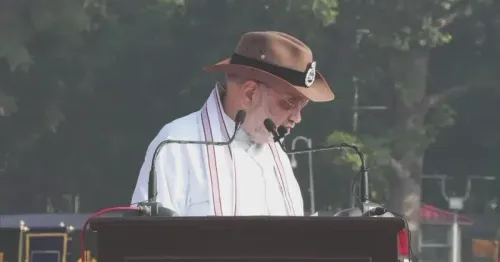
Sixty-four years after ten CRPF jawans fell at Hot Springs, Ladakh, their sacrifice still shapes the calendar of the nation — and on Wednesday, 21 October 2026, Maharashtra Chief Minister Devendra Fadnavis marked Police Commemoration Day with a solemn tribute to every officer who gave their life in the line of duty.
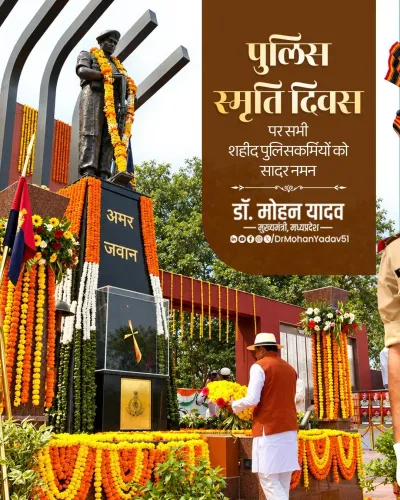
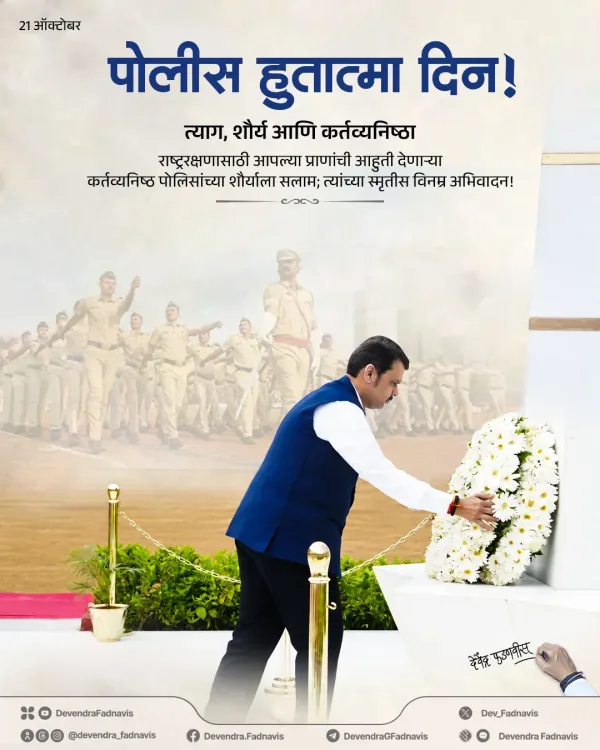
Posting in both English and Marathi, Fadnavis saluted the fallen with the words: 'पोलीस हुतात्मा दिन!' — Police Martyrs Day — honouring those who, in his words, 'laid down their lives to protect the nation's integrity and maintain law and order.' He called their courage 'an enduring inspiration.'
A Tradition Born on a Himalayan Ridge in 1962
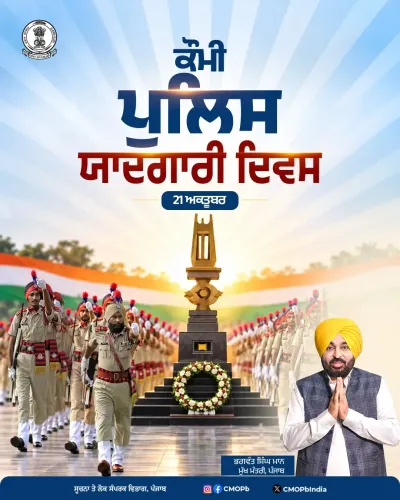
Police Commemoration Day has been observed every 21 October since 1962, when ten Central Reserve Police Force personnel were ambushed and killed by Chinese troops at Hot Springs in Ladakh during the Sino-Indian conflict. That ambush became the founding moment of a national ritual — a day to pause and name the cost of keeping peace inside a country's borders.
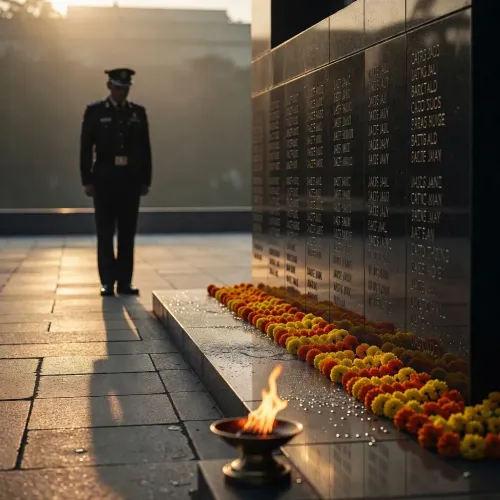
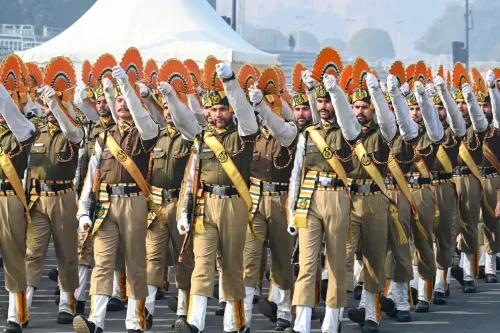
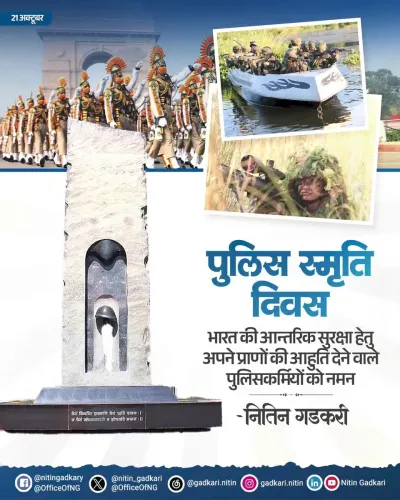
The observance has since expanded to encompass all police personnel across central and state forces who die in service — whether in counter-insurgency operations, communal-violence postings, or routine law-enforcement duties. Each year, state police headquarters hold wreath-laying ceremonies and parade drills in their memory.
Maharashtra's Own Roll of Honour
Maharashtra carries a particularly weighty entry in that roll. The state's police force has sustained losses across decades of internal-security operations, anti-Naxal campaigns in Gadchiroli, and high-profile urban incidents including the 26/11 Mumbai attacks of 2008, which claimed the lives of senior officers including Hemant Karkare, Ashok Kamte, and Vijay Salaskar. The day lands with specific gravity in a state that has written so many names into its own police martyrs memorial.
Chief ministers and senior ministers across India use this date to reaffirm the state's moral compact with police families — a recognition that behind every statistic of duty-related death is a household that bore the consequence.
Point of View
But they carry genuine weight in states like Maharashtra that have a long and documented record of police sacrifice. Fadnavis's bilingual post — reaching both English and Marathi audiences — reflects the symbolic importance of performing this acknowledgement publicly and in the regional tongue. For a state that lost senior officers in one of the worst terror attacks on Indian soil, the day is less routine ceremony and more an annual reckoning with institutional sacrifice. The consistency of these tributes, year after year, also signals the state's continued investment in police morale and the welfare narrative around security forces.
NationPress
21 Oct 2026
Frequently Asked Questions
Why is Police Commemoration Day celebrated on 21 October?
21 October was chosen because on that date in 1962 , ten CRPF personnel were ambushed and killed by Chinese troops at Hot Springs in Ladakh during the Sino-Indian conflict — the first major loss of Indian police personnel in a border confrontation.
What is Police Commemoration Day in India?
It is an annual national observance held every 21 October since 1962 to honour all police and paramilitary personnel who died in the line of duty. Wreath-laying ceremonies and parades are held at police headquarters across the country.
What did Devendra Fadnavis say on Police Commemoration Day 2026?
CM Devendra Fadnavis saluted police martyrs for sacrificing their lives 'to protect the nation's integrity and maintain law and order,' calling their courage 'an enduring inspiration.' He posted the tribute in both English and Marathi on 21 October 2026 .
What happened at Hot Springs Ladakh in 1962?
On 21 October 1962 , a Chinese military force ambushed and killed ten CRPF jawans at Hot Springs in Ladakh during the Sino-Indian border conflict. That incident is the founding event behind Police Commemoration Day .
How does Maharashtra observe Police Commemoration Day?
Maharashtra holds wreath-laying ceremonies and parade drills at state police headquarters on 21 October each year. Senior officials, including the Chief Minister, issue formal tributes to officers killed across operations ranging from the 26/11 Mumbai attacks to anti-Naxal campaigns in Gadchiroli .