Delhi-NCR air quality turns 'poor' after Dussehra; AQI to worsen till Oct 23
Synopsis
Delhi's air turned 'poor' the morning after Dussehra — and the AQEWS says it stays that way until 23 October. With stubble fires already flickering across Punjab and UP, no rain forecast, and temperatures below normal, this is the city's first serious preview of its annual winter pollution crisis. The Rekha Gupta government has pre-announced a November action plan, but the real test begins now.
Key Takeaways
Delhi-NCR air quality slipped into the 'poor' category on 21 October 2026 following Dussehra festivities.
The AQEWS forecasts 'poor' air quality to persist until 23 October ; the city recorded an AQI of 179 ('moderate') on Tuesday before deteriorating.
Delhi last recorded 'poor' air quality on 13 July , when the AQI reached 246 .
The ICAR-Indian Agricultural Research Institute logged 19 stubble-burning incidents across six states this month, with Punjab and UP reporting seven each.
No rainfall is forecast for the next week, removing a key natural pollutant-dispersal mechanism.
Chief Minister Rekha Gupta's winter action plan runs 1 November to 28 February , covering a no-PUCC no-fuel rule, BS-VI entry restrictions, construction bans, and a proposed 50% work-from-home policy.
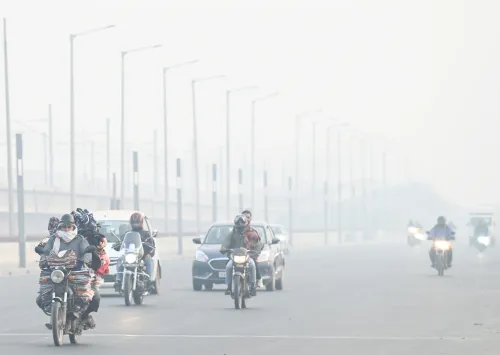
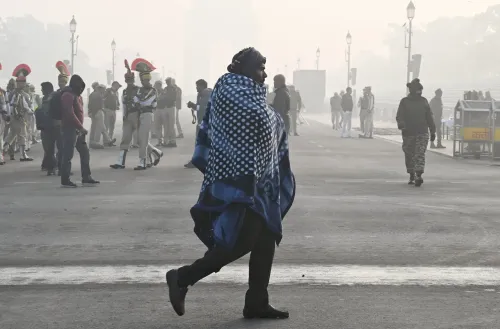
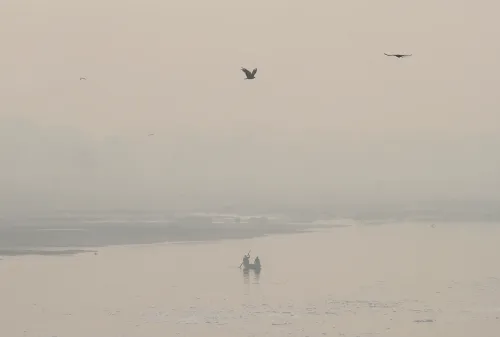
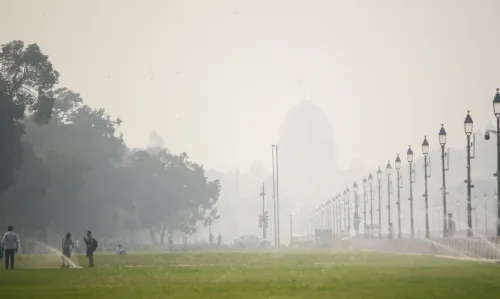
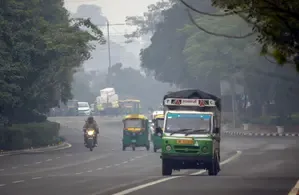
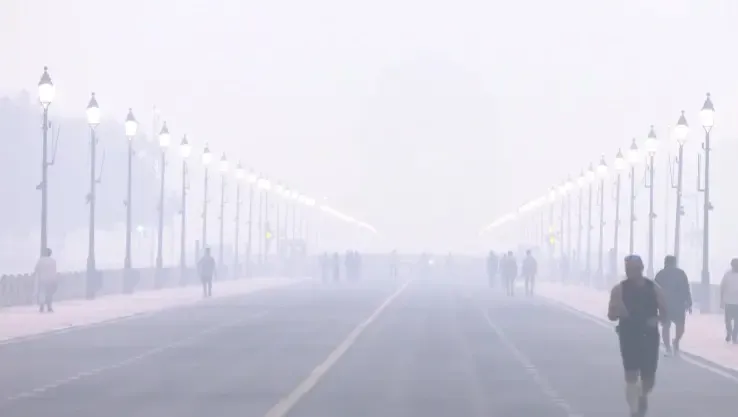
Delhi-NCR woke up to a blanket of haze on Wednesday, 21 October 2026, as air quality slipped into the 'poor' category following the Dussehra festivities, with the Air Quality Early Warning System (AQEWS) forecasting the deterioration to persist until 23 October. Visibility dropped across several parts of the national capital as a combination of post-festival emissions and shifting weather conditions pushed pollution levels higher.
Current AQI Readings and What They Mean
The national capital recorded an Air Quality Index (AQI) of 179 on Tuesday, placing it in the 'moderate' category, before crossing into 'poor' territory. According to the Central Pollution Control Board (CPCB), an AQI between 201 and 300 constitutes 'poor' — a level at which sensitive groups, including children, the elderly, and those with respiratory conditions, may experience significant health effects.
Notably, Delhi last recorded 'poor' air quality on 13 July, when the AQI touched 246. Wednesday's dip marks a return to that zone after roughly three months of relatively cleaner air.
Stubble Burning Adds to the Pollution Load
Stubble burning has re-emerged as a key seasonal contributor. According to the ICAR-Indian Agricultural Research Institute, 19 incidents of crop residue burning were recorded across six monitored states earlier this month. Punjab and Uttar Pradesh reported seven incidents each, Madhya Pradesh accounted for four, and Haryana recorded one.
Farmers routinely burn crop stubble to clear fields ahead of the next sowing cycle — typically wheat and vegetables — a practice that, when combined with calm winds and a temperature inversion, sends pollutants drifting into the Delhi airshed. This comes amid the onset of conditions that historically concentrate pollution over the region through the winter months.
Temperature Dips Below Normal Across Stations
Temperatures in the capital have also fallen below seasonal averages at multiple stations. Safdarjung, Delhi's primary meteorological reference point, recorded a maximum of 31.8°C — 0.8°C below normal — and a minimum of 17.7°C, 0.7°C below the seasonal average. Palam saw a maximum of 29.3°C, a sharper 3.5°C below normal, while Lodhi Road registered 31.4°C at its peak, 0.6°C below normal.
The weather department has forecast no rainfall over the next week, with mainly clear skies expected on 21, 22 and 23 October and partly cloudy conditions on 24 and 25 October. The absence of rain removes a natural mechanism for washing pollutants out of the atmosphere, raising the risk of further accumulation depending on wind speed.
Delhi Government's Winter Action Plan: Key Measures
Chief Minister Rekha Gupta's administration has announced a seasonal pollution action plan running from 1 November to 28 February. Among the headline measures is a 'No Pollution Under Control Certificate (PUCC), No Fuel' policy, which will prohibit petrol pumps from dispensing fuel to vehicles without a valid pollution certificate. Automatic Number Plate Recognition (ANPR) cameras will be deployed at fuel stations to support enforcement.
From 1 November 2026 to 31 January 2027, vehicles registered outside Delhi that do not meet BS-VI emission standards will be barred from entering the city. CNG and electric vehicles will be exempt. Dust-generating demolition and outdoor civil construction activities will similarly be banned during the same window, with a complete construction and demolition ban in force from 10 December to 20 January.
The plan also proposes a 50% work-from-home arrangement for offices to reduce vehicular emissions during the peak pollution season. With winter still weeks away, the measures represent an early signal that authorities expect the seasonal crisis to escalate — and are bracing for it.
Point of View
Which are measurably tighter than what previous administrations attempted. Yet the structural problem — stubble burning in neighbouring states — remains outside Delhi's unilateral control. Until Punjab and Haryana farmers have economically viable alternatives to burning, no amount of ANPR cameras or work-from-home mandates will fully insulate Delhi from its worst winter days. The 50% WFH proposal, if enforced, could make a marginal difference; but 'proposed' has rarely translated into 'implemented' in past seasons.
NationPress
21 Oct 2026
Frequently Asked Questions
Why has Delhi's air quality turned 'poor' today?
Delhi's air quality entered the 'poor' category on 21 October 2026 following a combination of post-Dussehra emissions and the onset of weather conditions that trap pollutants over the city. The AQEWS has forecast the deterioration to continue until 23 October.
What is Delhi's current AQI and what does 'poor' mean?
Delhi recorded an AQI of 179 ('moderate') on Tuesday before crossing into 'poor' territory on Wednesday. According to the CPCB, 'poor' corresponds to an AQI between 201 and 300, a range at which sensitive groups — including children, the elderly, and those with respiratory ailments — may experience significant health effects.
How does stubble burning affect Delhi's air quality?
Smoke from crop residue fires in neighbouring states, particularly Punjab and Haryana, drifts into Delhi when wind speeds are low and atmospheric conditions prevent pollutants from dispersing. The ICAR-Indian Agricultural Research Institute recorded 19 stubble-burning incidents this month across six states, with Punjab and UP accounting for seven each.
What measures has the Delhi government announced to tackle winter pollution?
Chief Minister Rekha Gupta's winter action plan, running from 1 November to 28 February, includes a 'No PUCC, No Fuel' rule at petrol pumps, a ban on non-BS-VI outstation vehicles from 1 November 2026 to 31 January 2027, restrictions on dust-generating construction, a complete construction ban from 10 December to 20 January, and a proposed 50% work-from-home arrangement for offices.
When did Delhi last record 'poor' air quality before this?
Delhi last recorded 'poor' air quality on 13 July 2026, when the AQI reached 246. Wednesday's reading marks the first return to that category in roughly three months.