CM Sai flags off Rawghat–Raipur train and Raipur–Kurud service
Synopsis
Chief Minister Vishnu Deo Sai flagged off the first Rawghat–Raipur passenger train and the Raipur–Kurud rail service on 21 October 2026, extending rail connectivity to remote Bastar and Dhamtari districts and accelerating Chhattisgarh's infrastructure push.
Key Takeaways
CM Vishnu Deo Sai flagged off two new rail services on 21 October 2026 .
The first passenger train on the Rawghat–Raipur route links the remote, mineral-rich Bastar division directly to the state capital.
The new Raipur–Kurud service connects Dhamtari district to the state's main rail network for the first time under this expansion.
Indian Railways has sanctioned multiple new lines and services in Chhattisgarh's tribal districts since 2014 .
Analysts will watch passenger volumes and freight movement on both routes as key indicators of economic impact.
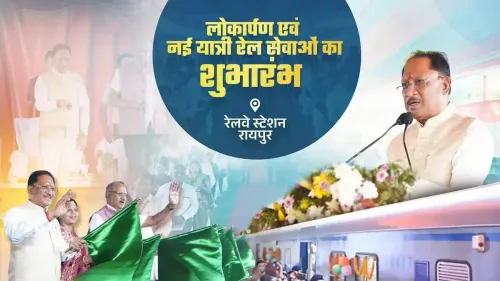
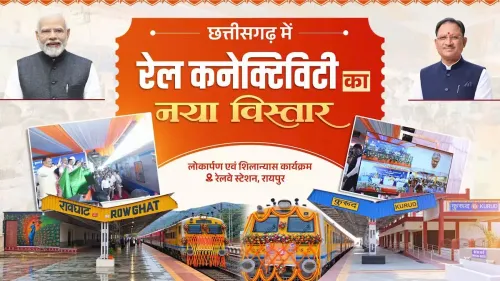
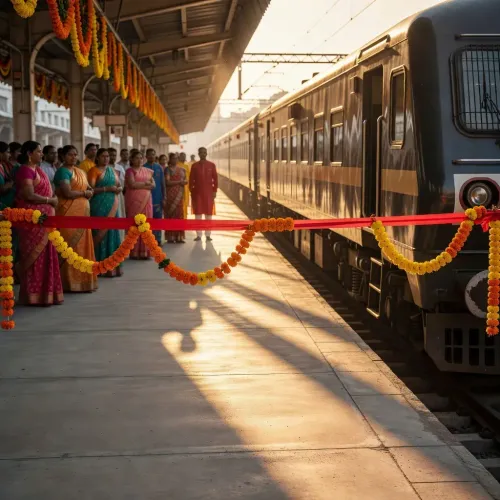
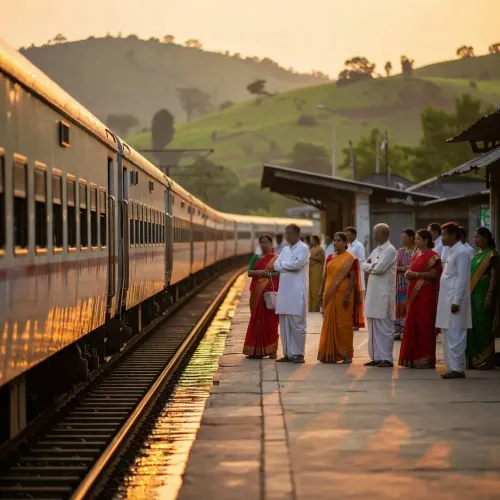
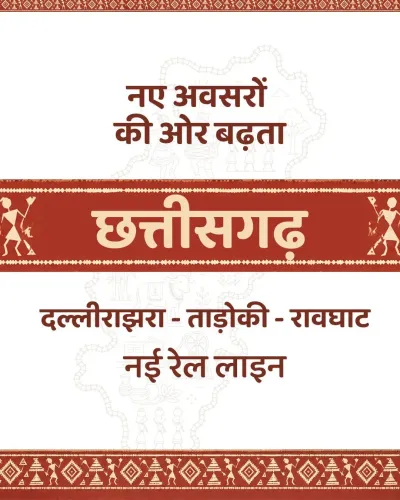
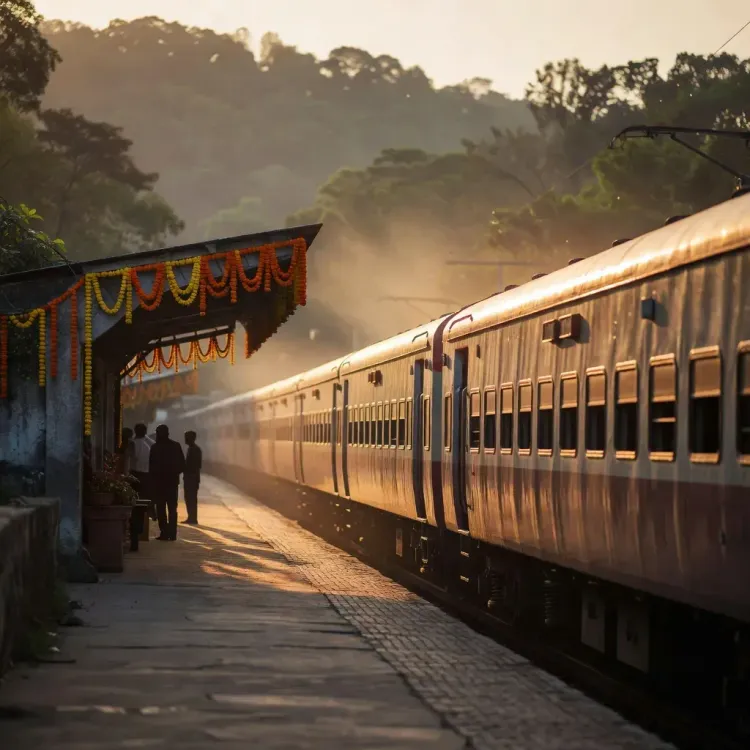
Two rail services, one signal — and Chhattisgarh's remotest corners moved a little closer to its capital. Chief Minister Vishnu Deo Sai on Wednesday, 21 October 2026, flagged off the first passenger train arriving from Rawghat to Raipur and simultaneously launched the new Raipur–Kurud rail service, marking what the Chief Minister's Office of Chhattisgarh described as a fresh pace of railway expansion in the state.
What the green flag means for Bastar and Dhamtari
The Rawghat–Raipur connection is the headline move. Rawghat, a station deep in the Bastar division, sits at the heart of one of India's most mineral-rich — and historically underserved — forest belts. For communities there, direct rail access to the state capital is not a convenience; it is a lifeline for work, healthcare, and trade. The CMO post captured the sentiment plainly: 'dooarsth kshetron ki connectivity hogi aur mazboot' — 'connectivity for remote areas will now grow stronger.'
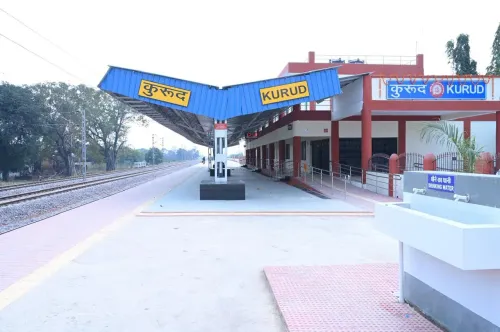
The second launch, the Raipur–Kurud service, extends the rail web into Dhamtari district, linking a town that has relied largely on road transport and bringing it into the organised passenger network for the first time under this expansion drive.
Railways in Chhattisgarh: a decade of sanctioned ambition
These flagging-offs are not isolated gestures. Since 2014, the Ministry of Railways has sanctioned a series of new lines and passenger services specifically targeting Chhattisgarh's tribal and remote districts — a recognition that a state supplying a disproportionate share of India's coal, iron ore, and steel cannot run on roads alone. CM Sai, who took office in December 2023, has positioned rail connectivity as a core pillar of his administration's development agenda, reflected in the state hashtags #ViksitChhattisgarh and #SushasanSarkar that accompanied the official post.
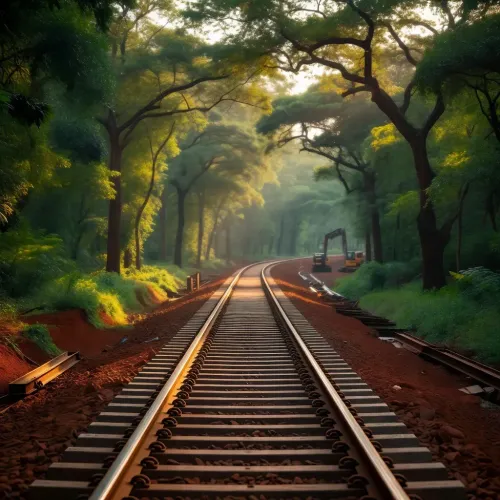
The Rawghat line in particular has had a long gestation — navigating dense forests, difficult terrain, and logistical complexity in the Bastar corridor. Its passenger debut is a tangible output of that protracted investment.
What freight and footfall watchers will track next
The immediate measure of success will be passenger uptake on both routes and whether freight volumes — especially minerals moving out of the Bastar belt — rise alongside the passenger traffic. The broader question is whether these two launches accelerate announcements of further extensions to additional districts in Bastar and Dhamtari, completing a connectivity grid that planners have sketched for years.
For the tribal communities of southern Chhattisgarh, the calculus is simpler: a train that runs is a promise that arrived.
Point of View
Routing passenger trains into districts long bypassed by infrastructure investment. For CM Sai's BJP government, the launches serve a dual purpose: substantive delivery for tribal constituencies ahead of future electoral cycles and a visible alignment with the Centre's 'Viksit Bharat' connectivity narrative. The Rawghat line's long gestation also signals that politically difficult terrain — literal and figurative — can eventually be bridged when central sanctioning and state-level political will converge. The real test will be whether these inaugurations translate into sustained frequency and capacity rather than symbolic first runs.
NationPress
21 Oct 2026
Frequently Asked Questions
Which trains did CM Vishnu Deo Sai flag off on 21 October 2026?
CM Vishnu Deo Sai flagged off the first passenger train running from Rawghat to Raipur and also launched the new Raipur–Kurud rail service on 21 October 2026.
Where is Rawghat station located?
Rawghat is a railway station in the Bastar division of Chhattisgarh, situated in a remote, forested, and mineral-rich region in the state's south.
Which district does the Raipur–Kurud rail service connect?
The Raipur–Kurud service connects Kurud, a town in Dhamtari district of Chhattisgarh, to the state capital Raipur.
Why is rail connectivity important for Bastar and Chhattisgarh's remote areas?
Bastar and similar remote districts in Chhattisgarh are mineral-rich but have historically lacked adequate transport links; rail connectivity improves access to markets, healthcare, employment, and supports economic integration of tribal communities.
When did CM Vishnu Deo Sai become Chief Minister of Chhattisgarh?
Vishnu Deo Sai became Chief Minister of Chhattisgarh in December 2023, representing the Bharatiya Janata Party.