CM Sai Flags New Rail Lines, Services for Chhattisgarh
Synopsis
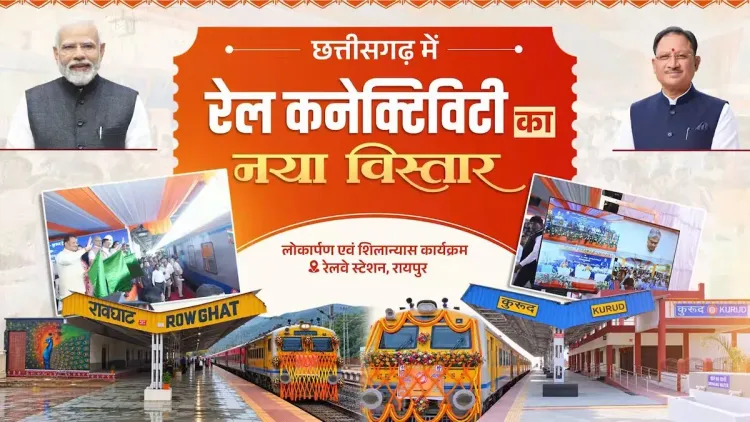
Chhattisgarh CM Vishnu Deo Sai inaugurated the Tadoki-Raoghat and Abhanpur-Kurud rail lines, launched new passenger services, and laid the foundation stone for an electric locomotive maintenance facility on 20 October 2026, opening rail access to the long-isolated Bastar region.
Key Takeaways
The Tadoki–Raoghat and Abhanpur–Kurud rail lines were inaugurated on 20 October 2026 .
New passenger rail services were launched on both new corridors on the same day.
The foundation stone for an electric locomotive maintenance facility was laid, strengthening long-term rail operations in the state.
The Raoghat link provides the historically isolated Bastar region — home to tribal communities and mineral wealth — its first direct rail connection.
CM Sai credited central-state BJP coordination, tagging PM Narendra Modi and Railway Minister Ashwini Vaishnaw , under the 'double engine government' framework.
Indian Railways has been expanding rail lines in Chhattisgarh's Naxal-affected tribal districts as part of a post-2014 connectivity and development strategy.
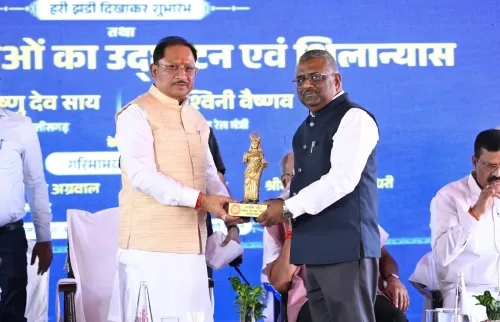
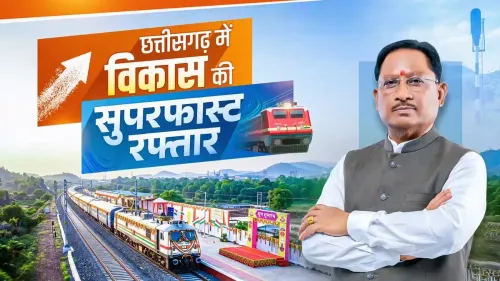
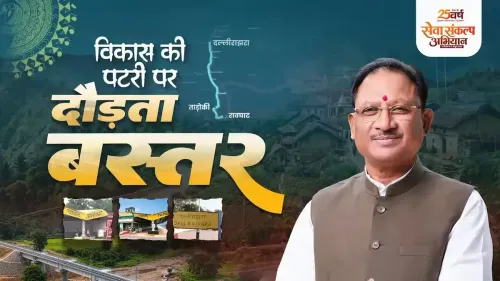
Two long-awaited rail lines are now open, new passenger services are running, and the foundation stone for an electric locomotive maintenance facility has been laid — all in a single day that Chhattisgarh Chief Minister Vishnu Deo Sai called a defining leap for the state's connectivity on Tuesday, 20 October 2026.
What opened, what was launched, and what begins now
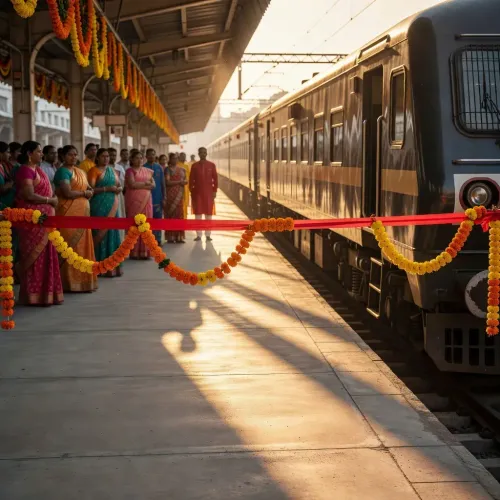
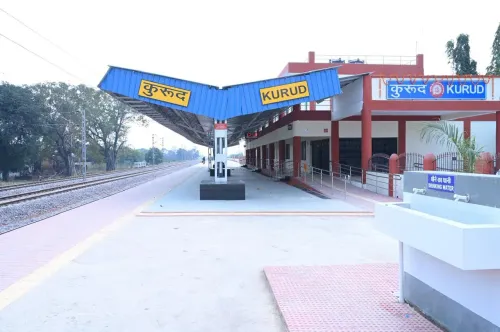
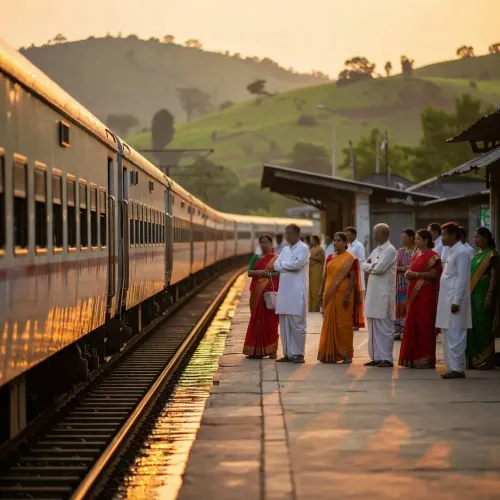
The Tadoki–Raoghat and Abhanpur–Kurud rail lines were inaugurated, alongside the launch of new passenger train services on both corridors. Separately, the foundation stone for an electric locomotive maintenance facility was laid — signalling that the state is not just expanding the network but building the infrastructure to sustain it. CM Sai said the day gives 'prदेश की रेल कनेक्टिविटी को नई गति' — 'a new momentum to the state's rail connectivity.'
Why Raoghat reaching Bastar changes the equation
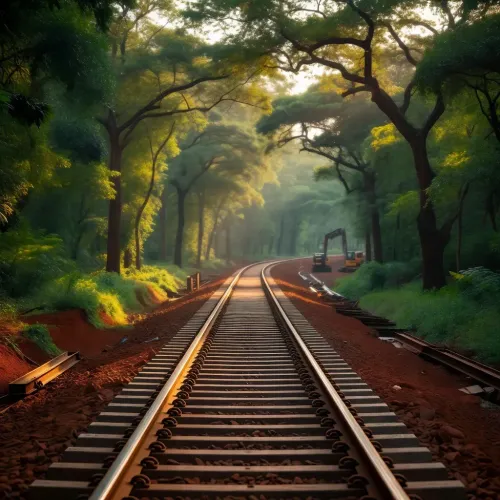
The Raoghat rail link is the headline move. Bastar, in southern Chhattisgarh, is home to a large tribal population and rich mineral deposits — but has historically been cut off from the national rail grid. For decades, the region's isolation fuelled both economic under-development and a security vacuum that Naxal insurgents exploited. Rail access to Raoghat breaks that equation. Goods, people, and opportunity can now move where they previously could not.
Indian Railways has pushed rail expansion into Chhattisgarh's tribal districts since 2014, framing it explicitly as part of a post-conflict development strategy in Naxal-affected zones. Successive Union budgets have channelled funds into new lines and facilities in the state's remote and mineral-rich corridors. Tuesday's inaugurations are the visible payoff of that multi-year push.
The 'double engine' frame and what it means politically
CM Sai tagged Prime Minister Narendra Modi and Union Railway Minister Ashwini Vaishnaw in the post, invoking the BJP's signature 'double engine government' — the argument that a BJP state government and a BJP Centre move faster together. The framing is well-worn, but Tuesday's announcements give it concrete material: two new rail lines, new services, and a new facility, all landing on the same day, all requiring central budget approval and state-level execution to converge. Traders, local industry, and the daily commuters of Abhanpur and Kurud are the immediate beneficiaries; the broader question is how quickly freight and passenger volumes on these routes climb to match the political promise.
CM Sai put it plainly: distances will shrink, movement will ease, and new possibilities for trade, industry, and employment will materialise. The track is laid. The clock starts now.
Point of View
Maximising political credit for both tiers of government. The Raoghat link carries real strategic weight — Bastar's isolation has historically been as much a security liability as a development failure, and physical connectivity is now the primary instrument for changing that calculus. The electric locomotive maintenance facility signals that this is infrastructure built to last, not a ribbon-cutting exercise. The test, as always, lies in the ramp-up: how fast freight and passenger utilisation grows will determine whether these corridors transform Bastar's economy or remain underused symbols.
NationPress
20 Oct 2026
Frequently Asked Questions
Which new rail lines were inaugurated in Chhattisgarh on 20 October 2026?
The Tadoki–Raoghat and Abhanpur–Kurud rail lines were inaugurated on 20 October 2026 by Chhattisgarh Chief Minister Vishnu Deo Sai.
Why is the Raoghat rail link important for Bastar?
Bastar is a mineral-rich, heavily tribal region in southern Chhattisgarh that has historically lacked rail access. The Raoghat link connects it to the broader network, enabling movement of goods, people, and economic opportunity into a long-isolated area.
What is the electric locomotive maintenance facility laid in Chhattisgarh?
The foundation stone for an electric locomotive maintenance facility was laid on the same day as the rail inaugurations. It is designed to support the long-term upkeep of electric locomotives operating on the expanding Chhattisgarh rail network.
What does 'double engine government' mean in the context of Chhattisgarh rail projects?
The term refers to the BJP's argument that a BJP state government working alongside a BJP-led central government can accelerate project delivery, with CM Sai crediting both PM Narendra Modi and Railway Minister Ashwini Vaishnaw for Tuesday's milestones.
How has Indian Railways expanded in Chhattisgarh's tribal areas?
Since 2014 , Indian Railways has been funding and constructing new rail lines in Chhattisgarh's tribal and Naxal-affected districts as part of a broader connectivity and development push, with successive Union budgets allocating funds for remote and mineral-rich corridors.