Jaishankar speaks at Freedom 250 reception in Mumbai
Synopsis
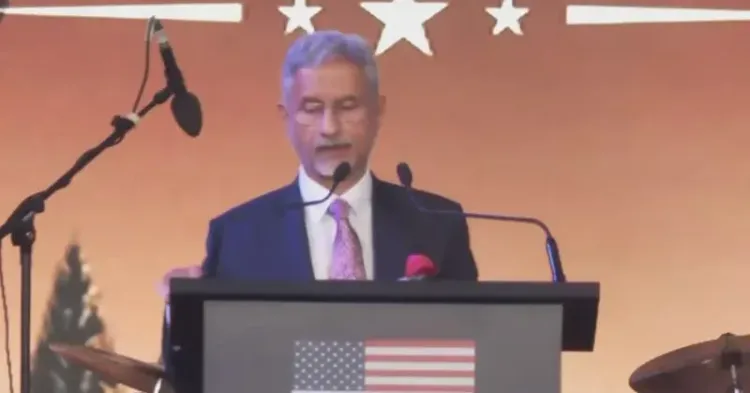
External Affairs Minister Dr. S. Jaishankar addressed the Freedom 250 reception in Mumbai on October 20, 2026, marking the United States' 250th independence anniversary and spotlighting the deepening India-US strategic and people-to-people partnership.
Key Takeaways
Jaishankar delivered remarks at the Freedom 250 reception in Mumbai on October 20, 2026 .
The event marks the 250th anniversary of American independence , part of a global US commemorative calendar.
The India-US strategic partnership was formally launched through the Next Steps in Strategic Partnership (NSSP) initiative in 2004 .
The reception was held in Mumbai , foregrounding economic ties, diaspora links, and civil-society engagement over traditional diplomatic channels.
Jaishankar has previously served as Indian Ambassador to the United States , giving him unique depth on the bilateral relationship.
Broader India-US cooperation spans the Quad , defence agreements, space, and high-technology corridors.
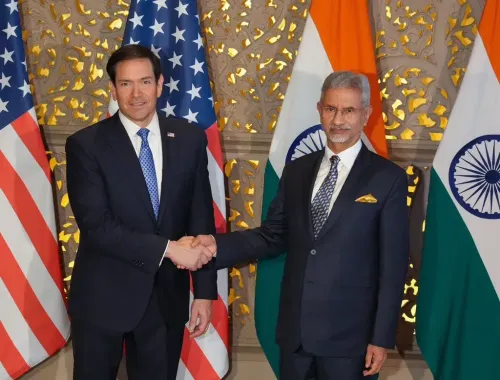
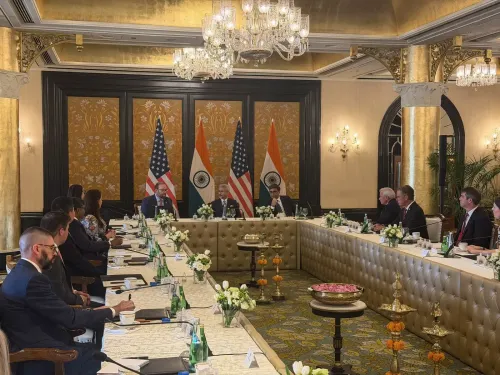
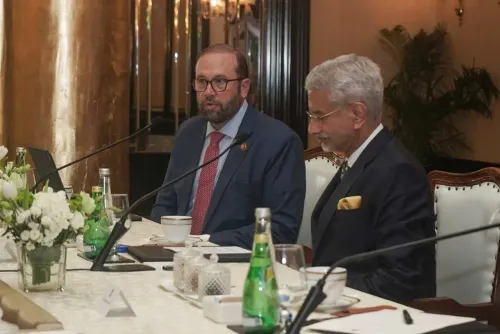
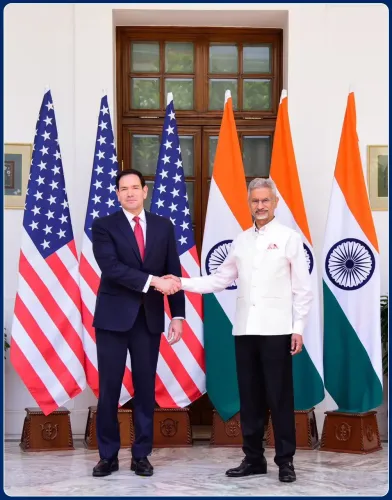
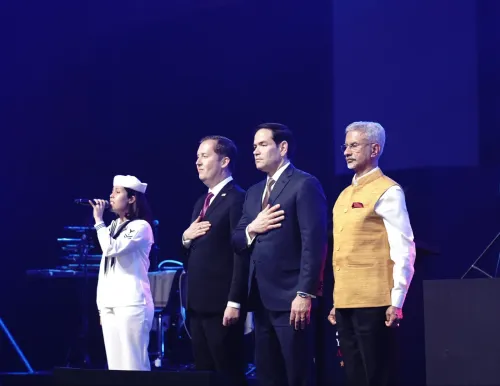
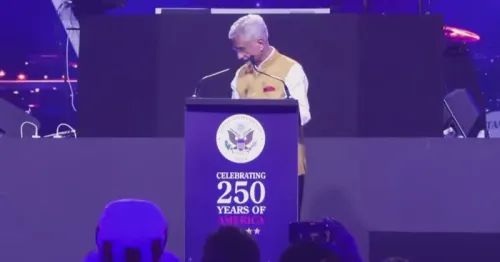
Two flags, one stage, and a milestone that only comes around once every quarter-millennium. Union External Affairs Minister Dr. S. Jaishankar addressed the Freedom 250 reception in Mumbai on Tuesday, October 20, 2026, marking the 250th anniversary of American independence at an event that brought together Indian and American stakeholders in India's financial capital.
A quarter-century of partnership framed in 250 years
The Freedom 250 reception is part of a broader calendar of commemorative engagements the United States has organised globally to mark its sembicentennial. Mumbai — India's commercial heartland — was a fitting venue, given the deep economic and people-to-people threads that stitch the two democracies together. Dr. Jaishankar, who has served as Indian Ambassador to the United States, brings rare personal texture to any India-US platform: he has watched the relationship from inside Foggy Bottom, from New Delhi's foreign ministry corridors, and now from the Cabinet table.
From 2004 to 2026: the strategic arc behind the celebration
The India-US strategic partnership was formally anchored through the Next Steps in Strategic Partnership (NSSP) initiative in 2004, opening lanes in civilian nuclear cooperation, space, high technology and missile defence. Since then, the relationship has widened to encompass the Quad security framework, major defence foundational agreements, and a booming technology investment corridor. A 250th-anniversary reception is not merely ceremonial — it is a moment both sides use to restate shared democratic values and signal the direction of the partnership.
Why Mumbai, and why it matters
Holding the event in Mumbai rather than New Delhi shifts the conversation deliberately toward commerce, diaspora, and civil society — the non-governmental sinews of the bilateral relationship. India's large and influential diaspora in the United States, along with US-India business groups, form a constituency that both governments actively court. Dr. Jaishankar's presence signals that the External Affairs Ministry views such public-diplomacy moments as strategically consequential, not merely protocol.
As the world's largest and oldest democracies mark 250 years of American self-governance, the question that lingers is straightforward: after two decades of carefully constructed architecture, how much further and how much faster can the India-US partnership move — and who will shape that next chapter?
Point of View
India and the US are increasingly using symbolic, high-visibility moments to consolidate domestic constituencies on both sides. Jaishankar, who has navigated the relationship from the ambassador's residence in Washington to the Cabinet, is uniquely positioned to frame the 250-year American story within the context of India's own democratic journey. The choice of Mumbai as venue signals that trade, investment, and diaspora networks — not just defence agreements — are now at the centre of gravity of the world's most consequential democratic partnership.
NationPress
20 Oct 2026
Frequently Asked Questions
What is Freedom 250?
Freedom 250 is a reception marking the 250th anniversary of American independence in 2026. The event in Mumbai brought together Indian and American stakeholders to celebrate the milestone and highlight India-US ties.
Why did Jaishankar attend the Freedom 250 event in Mumbai?
As Union External Affairs Minister, Dr. Jaishankar represented the Indian government at the reception. His attendance signals the strategic importance India places on public-diplomacy engagements with the United States.
What is the history of the India-US strategic partnership?
The partnership was formally anchored through the Next Steps in Strategic Partnership initiative in 2004, and has since expanded to cover civilian nuclear cooperation, the Quad framework, defence agreements, and high-technology collaboration.
Has Jaishankar previously served in the United States?
Yes. Dr. S. Jaishankar served as India's Ambassador to the United States before becoming Foreign Secretary and subsequently Union External Affairs Minister.
Why was Mumbai chosen for the Freedom 250 reception?
Mumbai, as India's financial capital, foregrounds the commercial, diaspora, and civil-society dimensions of the India-US relationship, complementing the official diplomatic engagement centred in New Delhi.