CM Sai launches two rail lines and new services in Raipur
Synopsis
Chhattisgarh CM Vishnu Deo Sai on 20 October 2026 inaugurated the Tadoki–Rawghat and Abhanpur–Kurud rail lines plus new passenger services at Raipur, framing the launches as proof of the BJP's 'double engine' infrastructure delivery in the state.
Key Takeaways
Two rail lines launched : the Tadoki–Rawghat corridor in the Bastar region and the Abhanpur–Kurud line in central Chhattisgarh were inaugurated on 20 October 2026 .
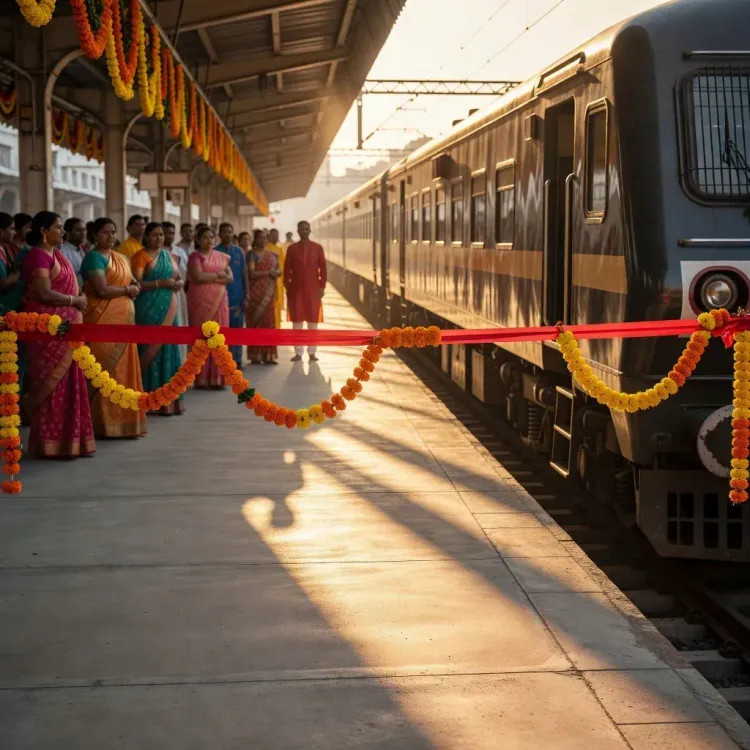
New passenger rail services were announced alongside the physical line launches at Raipur Railway Station .
CM Vishnu Deo Sai invoked the BJP's 'double engine' narrative, citing alignment between the Union government and the state administration.
The Bastar-bound Tadoki–Rawghat line targets both mineral transport and tribal community connectivity in a historically underserved zone.
The inaugurations coincided with Dussehra 2026 celebrations in Raipur, combining infrastructure messaging with peak public visibility.
Indian Railways has sanctioned multiple Chhattisgarh projects since 2014 , including upgrades under the Amrit Bharat Stations programme.
Two new rail corridors, fresh passenger services, and a Dussehra celebration — Chhattisgarh Chief Minister Vishnu Deo Sai packed a lot into Tuesday, 20 October 2026, anchoring a major rail inauguration at Raipur Railway Station that the state government is billing as a milestone in the region's connectivity push.
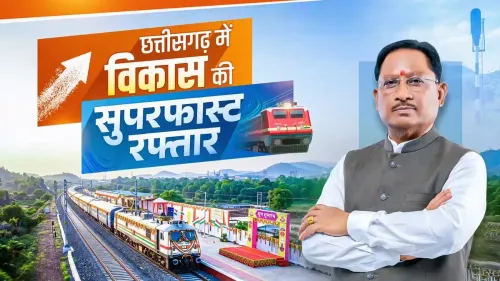
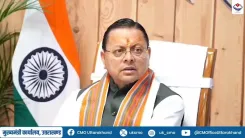
In his post, CM Sai wrote: 'डबल इंजन सरकार छत्तीसगढ़ में रेल कनेक्टिविटी के विस्तार को नई गति दे रही है' ('The double-engine government is giving new momentum to the expansion of rail connectivity in Chhattisgarh'). He announced his participation in the launch event for the Tadoki–Rawghat and Abhanpur–Kurud rail lines alongside new passenger rail services, before joining Dussehra celebrations across the capital.
Two corridors, two different bets on Chhattisgarh's future
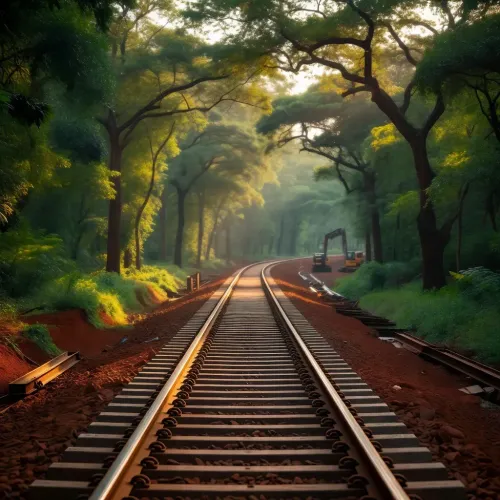
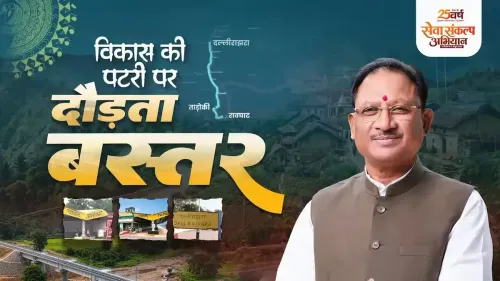
The Tadoki–Rawghat rail line cuts into the Bastar region — mineral-rich, historically under-connected, and long designated a priority zone under national infrastructure planning. Rail access here has a dual logic: unlocking iron-ore deposits for industrial movement while threading together tribal communities that roads alone have never reliably served.
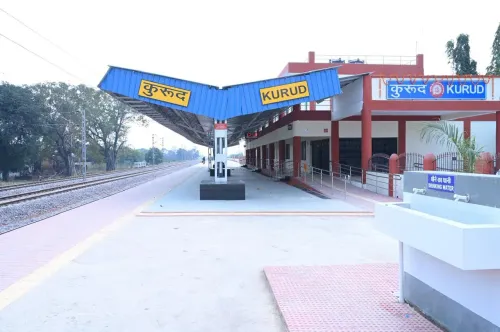
The Abhanpur–Kurud corridor addresses a different gap — shorter haul, closer to Raipur, aimed squarely at everyday passenger movement in central Chhattisgarh. Together, the two lines signal a strategy of layering long-haul resource corridors with last-mile commuter links rather than treating them as separate mandates.
The 'double engine' argument lands in real steel and sleepers
The BJP's 'double engine' framing — the claim that identical ruling parties at the Centre and state unlock faster infrastructure delivery — is a fixture of election rhetoric. Today, it gets a physical test. Indian Railways, the Union body driving national network expansion, has sanctioned multiple Chhattisgarh projects since 2014, including upgrades under the Amrit Bharat Stations redevelopment programme. Whether the sequencing of today's launch reflects that coordination or independent state momentum, the visible output is the same: track laid, services announced, ribbon cut.
The timing alongside Dussehra is deliberate. Inaugurating infrastructure during a major public festival maximises crowd, coverage, and the emotional association of new beginnings — a calculation both state and central governments have made consistently when rolling out connectivity projects in the Hindi heartland.
What rail expansion means for Chhattisgarh's most isolated districts
Chhattisgarh's connectivity deficit is not incidental — it was structural. Decades of left-wing extremism in the Bastar belt actively stalled road and rail construction, isolating communities and suppressing economic activity. Each kilometre of new track into that zone carries weight beyond logistics. For the passengers who will use the Abhanpur–Kurud service, the calculation is simpler: fewer hours on a bus, more reliable access to Raipur's jobs, hospitals, and markets.
The rollout timelines for full operationalisation of both corridors, and whether further Chhattisgarh rail projects appear in upcoming railway budget allocations, will be the real measure of today's momentum.
Point of View
So any operational progress there marks a genuine shift in the state's developmental geography. Pairing the launch with Dussehra is a calibrated choice, embedding a governance achievement inside a cultural moment when mass public attention is already assured. The real political arithmetic, however, will be written in the timetables and ridership numbers that follow.
NationPress
20 Oct 2026
Frequently Asked Questions
What are the Tadoki–Rawghat and Abhanpur–Kurud rail lines in Chhattisgarh?
The Tadoki–Rawghat rail line is a corridor in the Bastar region of Chhattisgarh designed to improve mineral transport and connect tribal communities. The Abhanpur–Kurud line is a shorter passenger-focused route in central Chhattisgarh linking areas near the state capital Raipur.
When were the new Chhattisgarh rail lines inaugurated?
The Tadoki–Rawghat and Abhanpur–Kurud rail lines, along with new passenger services, were inaugurated on 20 October 2026 at Raipur Railway Station by Chief Minister Vishnu Deo Sai.
What is the 'double engine government' claim in the context of Chhattisgarh?
The 'double engine government' is a BJP phrase arguing that having the same party in power at both the Centre and in a state speeds up infrastructure project approvals and funding. CM Vishnu Deo Sai cited it to credit the rail launches to coordinated Union–state governance.
Why is rail connectivity important for the Bastar region of Chhattisgarh?
Bastar is mineral-rich but has historically been isolated due to difficult terrain and decades of left-wing extremist activity that stalled construction. New rail links reduce logistics costs for industry and give tribal communities reliable access to markets, hospitals, and services.
Is Vishnu Deo Sai the current Chief Minister of Chhattisgarh?
Yes. Vishnu Deo Sai is a BJP leader who assumed office as Chief Minister of Chhattisgarh in December 2023 following the party's victory in the state assembly elections.