Delhi Winter Action Plan 2026: Key steps to fight pollution from Nov 1
Synopsis
Delhi's Winter Action Plan isn't just another seasonal advisory — it comes with teeth. Chief Minister Rekha Gupta has locked in a BS-VI vehicle entry ban, a fuel-denial policy for vehicles without valid PUC certificates, AI-monitored construction sites, and a 50% work-from-home mandate, all running from 1 November to 28 February. The question, as always in Delhi, is whether enforcement will match the ambition.
Key Takeaways
Delhi's Winter Action Plan runs from 1 November 2026 to 28 February 2027 , announced by Chief Minister Rekha Gupta on 20 October .
Non- BS-VI vehicles from outside Delhi barred from entry between 1 November and 31 January . 'No PUC, No Fuel' policy will deny fuel to vehicles without a valid Pollution Under Control Certificate.
AI-based monitoring of construction sites and restrictions on demolition activities included in the plan.
A 50 per cent work-from-home arrangement and staggered office timings will be enforced to reduce traffic load.
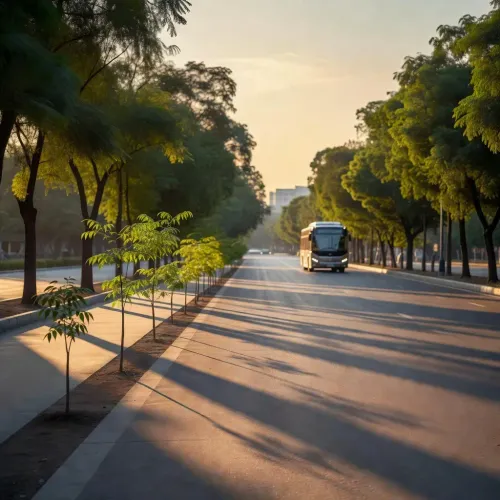
Government will strengthen electric bus services, Delhi Metro coverage, and last-mile connectivity to promote public transport.
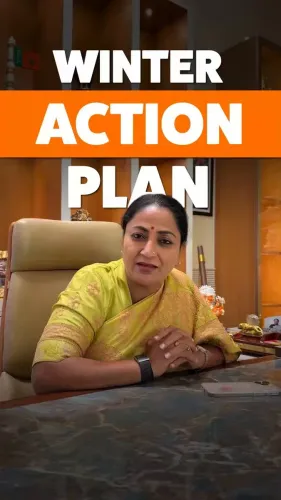
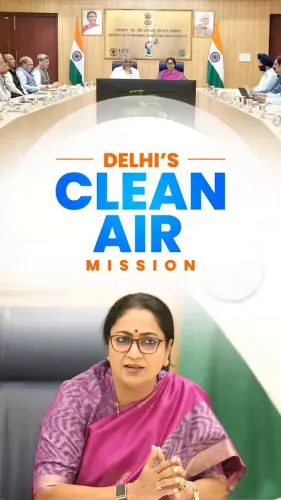
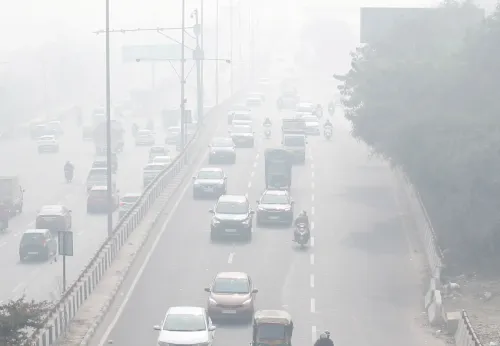
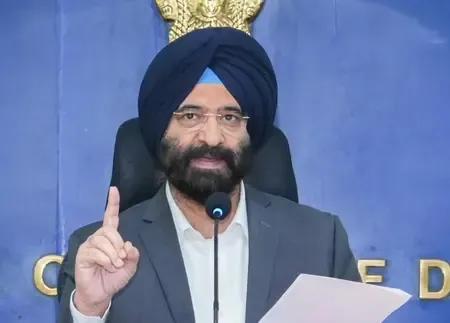
The Delhi government on Tuesday, 20 October unveiled a sweeping Winter Action Plan to tackle the capital's seasonal air quality crisis, with stringent measures set to kick in from 1 November and remain in force through 28 February. Chief Minister Rekha Gupta announced the plan, framing it as a proactive response to the public outcry over pollution levels that plagued the city last winter.
Key Measures in the Plan
At the heart of the plan is a 'No PUC, No Fuel' policy — vehicles without a valid Pollution Under Control Certificate (PUCC) will be refused fuel at petrol stations. Alongside this, non-BS-VI compliant vehicles originating from outside Delhi will be barred from entering the national capital from 1 November to 31 January. The government has also announced restrictions on construction and demolition activities, with AI-based monitoring systems deployed at construction sites to enforce compliance round the clock.
Office-goers will see staggered working hours, and a 50 per cent work-from-home arrangement will be implemented to reduce vehicle load on city roads. Carpooling will be actively encouraged as part of a broader push to cut private vehicle usage.
Public Transport Push
The government is doubling down on cleaner commuting options. Electric buses, the Delhi Metro, and last-mile connectivity improvements will be prioritised to draw residents away from private vehicles. Chief Minister Gupta noted in her public address that Metro routes have been extended and work to strengthen last-mile links is already underway.
What the Chief Minister Said
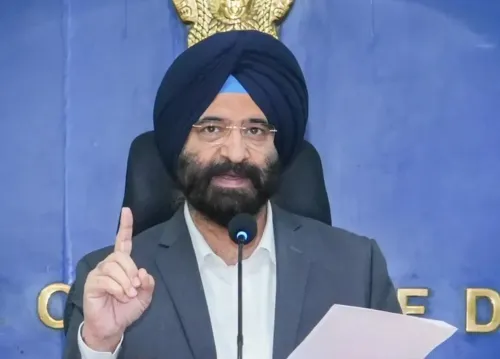
Gupta appealed to Delhiites through a video message posted on X, invoking collective ownership of the pollution problem. 'Last year, it was around this time that people demanded the strictest possible action. That same inspiration led to progressive action this year. We decided what to do and what not to do throughout the winter season. A Winter Action Plan has been developed from November 1 to February 28,' she said.
She repeated her rallying call — 'Our Delhi, our responsibility' — emphasising that state action alone would be insufficient without public participation. 'We will fulfil our responsibility together,' Gupta added.
Context and Background
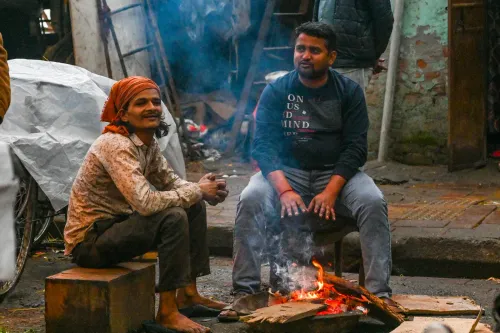
Delhi consistently ranks among the world's most polluted capitals during October-February, when a combination of stubble burning in neighbouring states, falling temperatures, low wind speeds, and vehicular emissions triggers hazardous air quality episodes. This is the latest in a series of annual winter action frameworks the city administration has put in place, though enforcement has historically been uneven.
Notably, the introduction of AI-based construction site monitoring and the hard BS-VI vehicle entry ban signal an attempt to move beyond paper-only restrictions. Whether field enforcement matches the policy ambition remains to be seen.
What Happens Next
Formal implementation begins 1 November 2026, with the fuel-denial policy and vehicle entry restrictions among the first measures to take effect. Traffic and pollution control authorities are expected to carry out awareness drives in the lead-up. The plan's provisions will be reviewed periodically, with the full package remaining active until 28 February 2027.
Point of View
Which past plans lacked. But the BS-VI entry restriction covers only out-of-Delhi vehicles, leaving the far larger pool of non-compliant registered-Delhi vehicles untouched. The 50% work-from-home mandate also raises questions about legal enforceability on private employers. If the gap between stated policy and street-level enforcement persists, this plan risks becoming another high-visibility announcement that does not shift the city's winter AQI curve.
NationPress
20 Oct 2026
Frequently Asked Questions
What is Delhi's Winter Action Plan 2026?
It is a set of anti-pollution measures announced by Chief Minister Rekha Gupta on 20 October 2026, running from 1 November 2026 to 28 February 2027. It includes a BS-VI vehicle entry ban, a No PUC No Fuel policy, construction restrictions, AI site monitoring, and a 50% work-from-home arrangement.
Which vehicles will be banned from entering Delhi under this plan?
Vehicles from outside Delhi that do not comply with BS-VI emission standards will be barred from entering the national capital from 1 November 2026 to 31 January 2027. The restriction is aimed at reducing the load of high-polluting out-of-state vehicles during peak winter months.
What is the 'No PUC, No Fuel' policy?
Under this policy, vehicles without a valid Pollution Under Control Certificate (PUCC) will be refused fuel at petrol stations across Delhi. It is intended to compel vehicle owners to keep their emission compliance documents up to date.
How will construction activities be regulated during winter?
The plan restricts construction and demolition activities during the winter period and deploys AI-based monitoring systems at construction sites to enforce compliance. This is designed to reduce dust pollution, which is a significant contributor to Delhi's winter AQI degradation.
When does the Delhi Winter Action Plan come into effect?
The plan takes effect from 1 November 2026 and remains active until 28 February 2027. Awareness drives by traffic and pollution control authorities are expected in the lead-up to the implementation date.