Delhi CM Rekha Gupta unveils winter pollution framework, GRAP from Nov–Feb

Synopsis
Delhi is not waiting for smog to choke the city this time. Chief Minister Rekha Gupta has notified the 'Proactive Winter Air Quality Management Framework' in June itself — months before winter — mandating PUCC-only refuelling, a non-BS VI vehicle entry ban, doubled parking charges, and anti-smog guns at construction sites. The early rollout signals a structural shift from Delhi's historically reactive approach to winter pollution.
Key Takeaways
Delhi CM Rekha Gupta notified the 'Proactive Winter Air Quality Management Framework' on 19 June , months ahead of winter.
The framework will operate alongside GRAP from 1 November to 28 February every year.
Only vehicles with a valid PUCC certificate will be allowed to refuel at petrol pumps during the period.
Non-BS VI commercial vehicles from outside Delhi will be banned from 1 November to 31 January ; CNG, EV, and emergency vehicles are exempt.
Parking charges at authorised facilities will be doubled from 1 November to 28 February ; offices may shift to 50% physical attendance .
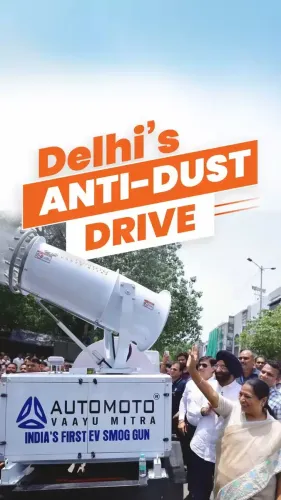
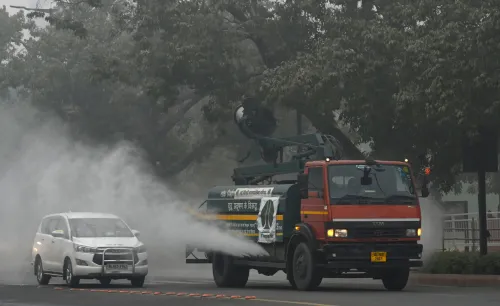
Large construction sites must install anti-smog guns and mist-suppression systems ; drone surveillance will monitor open burning.
Delhi Chief Minister Rekha Gupta on Friday, 19 June announced that the city government has formally notified the 'Proactive Winter Air Quality Management Framework' — a comprehensive anti-pollution plan activated months ahead of the winter season to give residents, industries, and businesses adequate time to comply. The framework will run alongside the Graded Response Action Plan (GRAP) from 1 November to 28 February every year.
Why the Early Notification Matters
Gupta said the decision to notify the framework in June — rather than on the eve of winter — is deliberate. 'This ensures that citizens, industries, institutions, business establishments, and construction agencies have ample time to prepare before November, sparing Delhi residents from unnecessary inconvenience,' she said. The early rollout marks a departure from the reactive, last-minute measures that have historically characterised Delhi's winter pollution response.
Key Restrictions Under the Framework
The plan introduces a set of binding restrictions that will kick in from 1 November. Only vehicles with a valid Pollution Under Control Certificate (PUCC) will be permitted to refuel at petrol pumps across the city. The entry of non-BS VI commercial vehicles registered outside Delhi will be banned between 1 November and 31 January, with exemptions for CNG and electric vehicles, as well as emergency and government-service vehicles.
To curb private vehicle use, parking charges at authorised facilities will be doubled from 1 November to 28 February. The government may also stagger office timings and, if required, introduce provisions for up to 50 per cent physical attendance in both government and private offices during peak pollution periods.
Construction and Dust-Control Mandates
The framework imposes strict dust-control compliance at all construction and demolition sites from 1 November to 31 January. If pollution levels worsen, additional construction curbs may be enforced between 10 December and 20 January. Large construction sites and major buildings will be required to install anti-smog guns and mist-suppression systems. Authorities will intensify surveillance against open waste burning through drone monitoring and field inspections.
The Scale of Delhi's Winter Pollution Problem
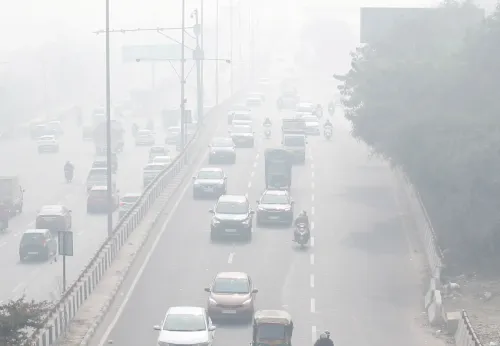
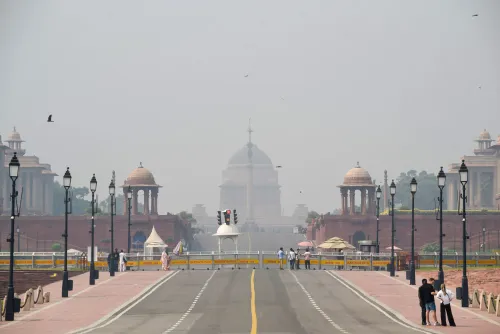
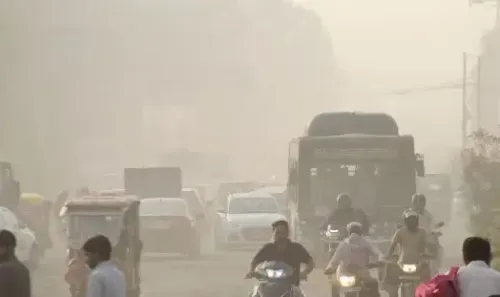
Between October and February, Delhi's Air Quality Index (AQI) routinely falls into the 'Very Poor' (301–400) or 'Severe' (401–500) categories. The primary drivers are thermal inversion — which traps pollutants close to the ground — stubble burning in neighbouring states, and near-stagnant wind conditions. This is the context in which the government says it is operating in 'mission mode' on preparedness.
What Happens Next
With the framework already notified, enforcement agencies, industries, and construction bodies are expected to begin compliance preparations over the coming months. The real test will arrive in November, when GRAP activates and the effectiveness of the advance notification is put to scrutiny.
Point of View
Both of which have been porous in past winters. The doubled parking charge is a demand-side nudge, but without parallel public transport capacity, it risks inconveniencing commuters without meaningfully cutting vehicle trips. The real accountability test is whether this 'mission mode' language translates into measurable AQI outcomes by February — something Delhi's pollution record has rarely delivered.
NationPress
19 Sept 2026
Frequently Asked Questions
What is Delhi's Proactive Winter Air Quality Management Framework?
It is a seasonal anti-pollution plan notified by the Delhi government in June 2025, designed to run alongside GRAP from 1 November to 28 February every year. It includes vehicle restrictions, dust-control mandates at construction sites, doubled parking charges, and enhanced surveillance against open burning.
When will GRAP be activated under this framework?
GRAP will operate from 1 November to 28 February every year under the new framework. The early June notification is intended to give industries, businesses, and residents several months to prepare before restrictions take effect.
Which vehicles will be banned under Delhi's winter pollution plan?
Non-BS VI commercial vehicles registered outside Delhi will be barred from entering the city between 1 November and 31 January. Exemptions apply to CNG vehicles, electric vehicles, and those used for emergency or government services.
How will construction sites be regulated during winter in Delhi?
All construction and demolition sites must comply with dust-control norms from 1 November to 31 January. Additional restrictions may be imposed between 10 December and 20 January if pollution worsens. Large sites must install anti-smog guns and mist-suppression systems.
Why does Delhi face severe pollution every winter?
Delhi's AQI regularly falls into the 'Very Poor' (301–400) or 'Severe' (401–500) range between October and February, driven by thermal inversion that traps pollutants near the surface, stubble burning in neighbouring states, and calm wind conditions that prevent dispersal.