CM Sai flags rail expansion into Bastar's tribal heartland

Synopsis
Chhattisgarh CM Vishnu Deo Sai on October 20 flagged the inauguration of two new rail lines — Tadoki-Rawghat and Abhanpur-Kurud — new passenger services, and a foundation stone for a Raipur electric locomotive facility, framing the moves as a socio-economic push into Bastar's tribal heartland.
Key Takeaways
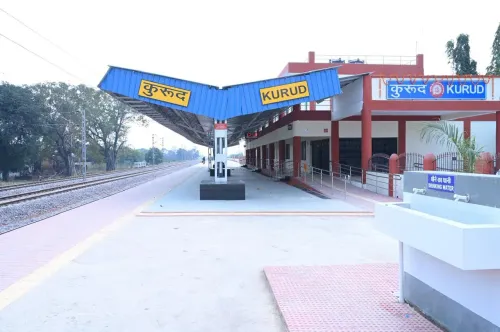
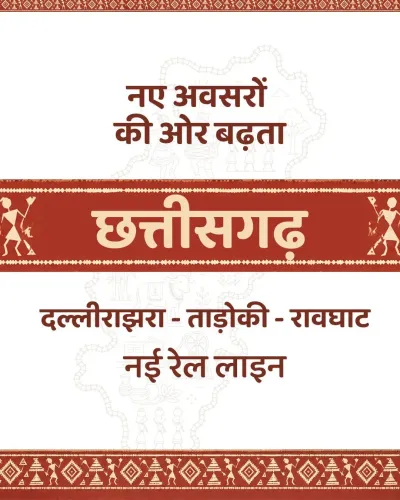
The Tadoki-Rawghat and Abhanpur-Kurud rail lines were inaugurated, extending the network into southern Chhattisgarh.
New passenger rail services were launched alongside the line inaugurations on October 20, 2026 .
A foundation stone was laid for an electric locomotive maintenance facility in state capital Raipur .
Bastar — a tribal-majority division long affected by left-wing extremism — is a primary beneficiary of the expanded network.
CM Sai tagged Union Railway Minister Ashwini Vaishnaw , highlighting central-state coordination on the projects.
The moves are positioned to unlock trade, industry, tourism, and employment in tribal corridors.
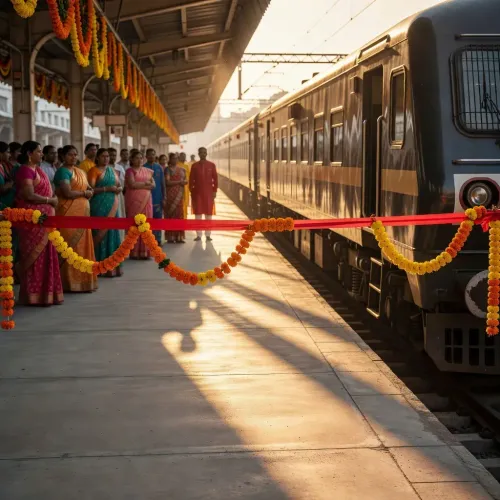
Two new rail lines inaugurated, fresh passenger services launched, and a foundation stone laid for an electric locomotive maintenance facility in Raipur — Chhattisgarh Chief Minister Vishnu Deo Sai has marked October 20, 2026 as a landmark moment in the state's infrastructure story, calling it a decisive push to bring the railway network to Bastar and the tribal belts long left at the margins of connectivity.
What was inaugurated — and why Bastar is the headline
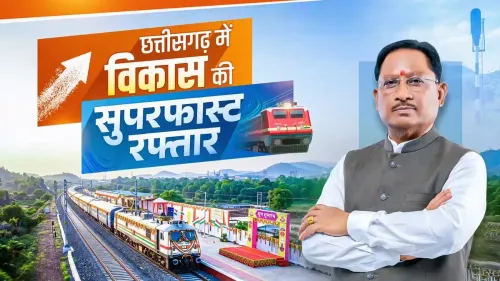
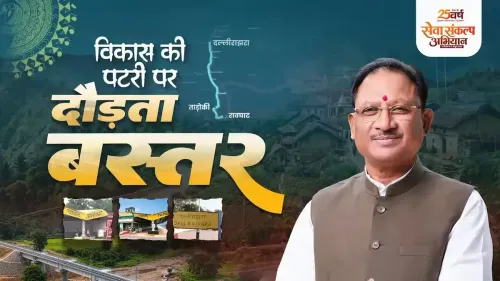
The twin rail projects — the Tadoki-Rawghat and Abhanpur-Kurud lines — form the operational centrepiece of Tuesday's announcements. CM Sai, tagging Union Railway Minister Ashwini Vaishnaw and the Ministry of Railways, described the expansion as 'vikas ki patri par aage badhta Chhattisgarh' ('Chhattisgarh moving forward on the track of development').
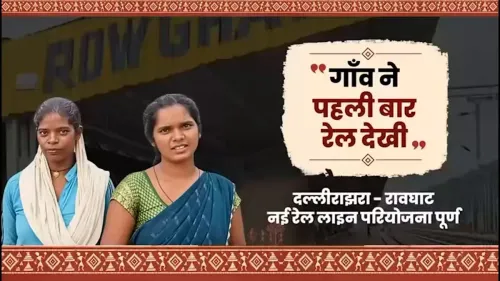
Bastar is not a routine geography on the Indian railway map. The southern division of Chhattisgarh carries a large tribal population and was for years heavily affected by left-wing extremism — conditions that made infrastructure investment both difficult and politically contentious. Rail connectivity reaching those districts is therefore a signal that goes beyond travel time saved.
The Raipur electric loco facility and the modernisation layer
Alongside the line inaugurations, a foundation stone was laid for an electric locomotive maintenance facility in Raipur. The move fits squarely into Indian Railways' broader electrification and modernisation drive — reducing dependence on diesel traction and building in-state maintenance capacity so rolling stock does not need to travel out of Chhattisgarh for upkeep. For a mineral-rich state that moves significant freight by rail, that operational depth matters.
Trade, tourism, jobs — the economic argument CM Sai is making
Sai's post makes an explicit economic case: better rail access, he argued, will 'open new possibilities for trade, industry, tourism, and employment'. The tribal corridors of Bastar — home to waterfalls, dense forests, and cultural tourism potential — have historically been inaccessible enough to deter visitors. A functional rail link changes that calculus for tour operators and small businesses alike.
Indian Railways has pursued new-line projects in Chhattisgarh's tribal districts as part of a broader connectivity push in left-wing extremism-affected areas since the mid-2010s. Tuesday's inaugurations represent the operational payoff of that multi-year pipeline. The central-state coordination model — with the Union ministry funding and executing, and the state government amplifying the political dividend — is now the standard template for rail expansion across central India.
What to watch next
The announced passenger services will need time-table and frequency details before commuters in southern Chhattisgarh can plan around them. State budget allocations for rail-linked industrial zones or tourism circuits in the Bastar corridor will be the clearest signal of whether this inauguration anchors a sustained economic programme or remains a one-day milestone. Either way, the track has been laid — literally.
Point of View
Not long ago, sharply contested. The tagging of Union Railway Minister Ashwini Vaishnaw underscores the deliberate optics of central-state partnership, a framing both governments have used effectively to claim shared credit for infrastructure milestones. The real test will be whether passenger services achieve adequate frequency and whether the Raipur electric facility accelerates freight and operational efficiency in a mineral-heavy economy.
NationPress
20 Oct 2026
Frequently Asked Questions
Which new rail lines were inaugurated in Chhattisgarh on October 20 2026?
The Tadoki-Rawghat and Abhanpur-Kurud rail lines were inaugurated, extending connectivity into southern Chhattisgarh including the Bastar region.
What is the Raipur electric locomotive maintenance facility?
A foundation stone was laid in Raipur for a new facility to service and maintain electric locomotives, reducing the need to send rolling stock outside Chhattisgarh for upkeep.
Why is rail connectivity to Bastar significant?
Bastar is a tribal-majority division in southern Chhattisgarh that was long affected by left-wing extremism, making it difficult to develop infrastructure. Rail access is expected to open trade, tourism, and employment opportunities for local communities.
Who is Vishnu Deo Sai?
Vishnu Deo Sai is the Chief Minister of Chhattisgarh and a senior BJP leader, in office since December 2023 .
What is Indian Railways' broader plan for Chhattisgarh tribal districts?
Indian Railways has been pursuing new-line projects in Chhattisgarh's tribal and LWE-affected districts since the mid-2010s as part of a national connectivity push, with electrification and maintenance infrastructure forming a second layer of modernisation.