CM Fadnavis hosts pre-Monsoon Session tea meet with cabinet
Synopsis
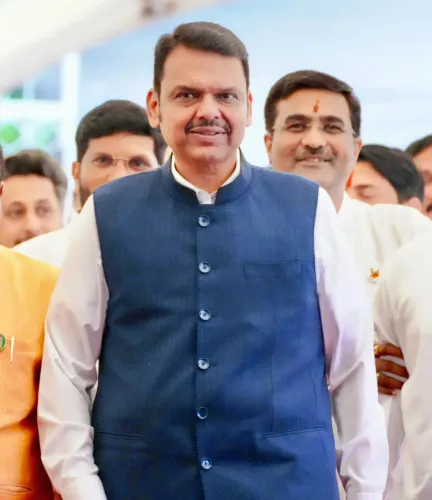
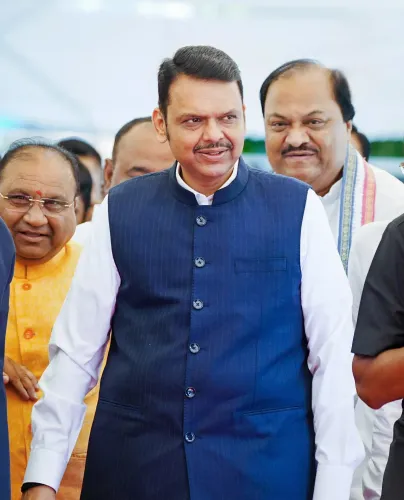
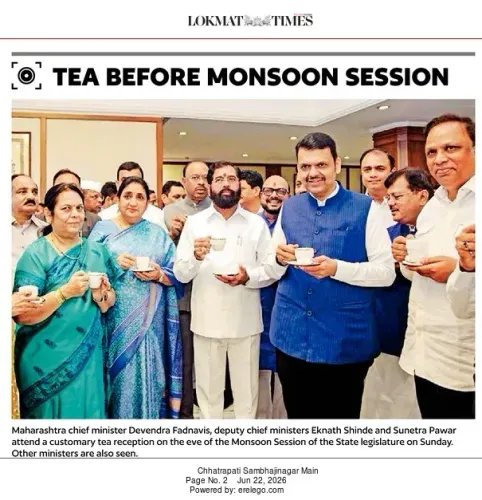
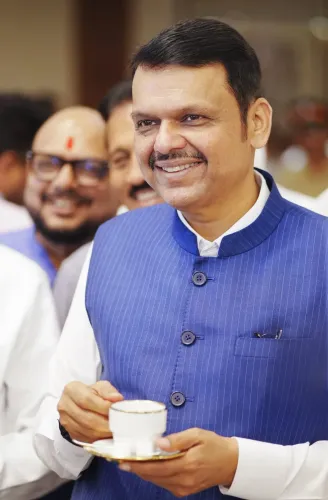
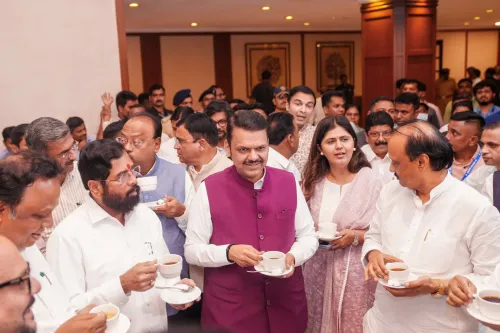
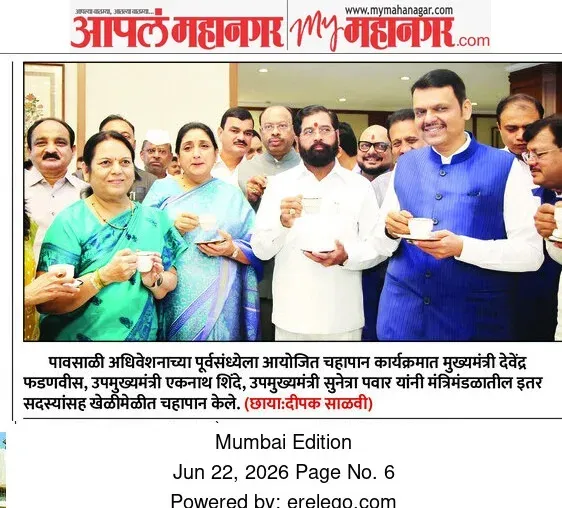
Chief Minister Devendra Fadnavis hosted a warm pre-session tea gathering with Maharashtra cabinet members on 22 June 2026, ahead of the Monsoon Session. The informal interaction underscores the ruling coalition's effort to present a united front before legislative proceedings begin.
Key Takeaways
The Chief Minister's Office of Maharashtra announced on 22 June 2026 that CM Devendra Fadnavis hosted a pre-session tea meet with cabinet colleagues.
The event was held on the eve of the Monsoon Session 2026 of the Maharashtra Legislature.
The gathering was described as cordial and informal, aimed at internal cabinet cohesion.
Pre-session cabinet interactions are a recurring practice across Maharashtra administrations.
The Monsoon Session is expected to cover state finances, agriculture, and pending legislation.
The government's legislative agenda and coalition unity will face scrutiny on the assembly floor.
The Chief Minister's Office of Maharashtra on Monday, 22 June 2026 shared that Chief Minister Devendra Fadnavis hosted an informal tea gathering with fellow cabinet members on the eve of the Monsoon Session 2026 of the Maharashtra Legislature, signalling a united front ahead of what is expected to be a busy legislative calendar.
Context
The CMO's post, shared in Marathi, noted that the event was held 'पावसाळी अधिवेशनाच्या पूर्वसंध्येला' (on the eve of the monsoon session), with ministers joining CM Fadnavis for a convivial tea session described as 'खेळीमेळीत' — meaning in a warm, cordial atmosphere. Such pre-session interactions are a long-standing feature of Maharashtra's executive calendar, used to align the cabinet before it faces the opposition on the floor of the house.
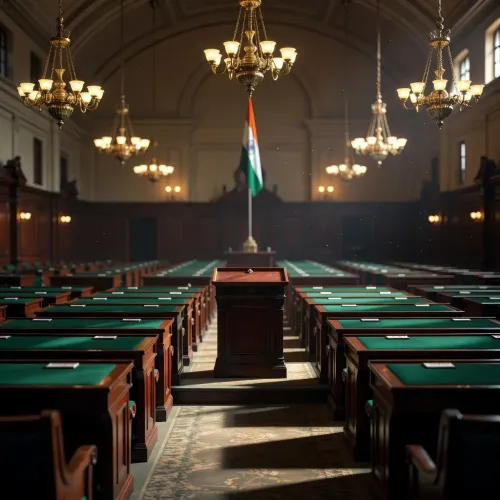
The Monsoon Session is one of three annual sittings of the Maharashtra Legislative Assembly, the others being the budget and winter sessions. It typically draws debate on state finances, agricultural distress, law-and-order, and pending legislation.
Policy Backdrop
Pre-session cabinet interactions have been a recurring practice across administrations in Maharashtra, cutting across party lines. The tradition serves a dual purpose: building internal consensus within coalition governments and presenting a cohesive image to the legislature and the public.
Devendra Fadnavis, who has served multiple terms as Chief Minister, has consistently used such informal settings to maintain cohesion within the BJP-led Mahayuti coalition. With coalition partners holding key portfolios, pre-session alignment becomes especially important before debates that can expose fault lines within a ruling alliance.
Stakeholders and Impact
The primary stakeholders are Maharashtra's state cabinet ministers and legislators across both houses. For the ruling coalition, the tea meet reinforces internal unity; for the opposition, it signals that the government intends to enter the session in a coordinated manner.
Citizens and civil society groups tracking issues such as agrarian policy, urban infrastructure, and state budget implementation will watch the Monsoon Session 2026 closely, as it is expected to be a platform for legislative action on these fronts.
What's Next
All eyes now turn to the Monsoon Session 2026 itself, where the government will be expected to table bills, respond to opposition questions, and defend its policy record. The agenda — including any legislation on state finances or key welfare schemes — will determine how consequential this session becomes.
The informal bonhomie of a pre-session tea meet will quickly give way to the rigour of legislative scrutiny, and the government's ability to maintain the unity signalled on 22 June will be tested on the assembly floor.
Point of View
While ceremonial in appearance, carries political weight in a coalition government where pre-session alignment can prevent embarrassing floor revolts. Fadnavis has consistently used informal settings to manage inter-party dynamics within the Mahayuti alliance. The CMO's decision to publicise the event signals a deliberate effort to project cabinet solidarity ahead of what could be a contentious monsoon session. How well that unity holds under opposition pressure will be the real test.
NationPress
22 Jun 2026
Frequently Asked Questions
What is the Maharashtra Monsoon Session 2026?
The Monsoon Session 2026 is one of three annual sittings of the Maharashtra Legislative Assembly, typically held mid-year to debate state finances, agricultural issues, law-and-order, and pending legislation.
Why did CM Fadnavis hold a tea meet before the Monsoon Session?
The pre-session tea gathering is a long-standing tradition in Maharashtra to build cabinet consensus and present a united front before legislative proceedings begin.
Who attended the pre-Monsoon Session tea meet with CM Fadnavis?
Fellow cabinet members of the Maharashtra government joined Chief Minister Devendra Fadnavis at the informal gathering, according to the Chief Minister's Office.
What issues are expected to be discussed in Maharashtra Monsoon Session 2026?
The session is expected to cover state finances, agricultural distress, law-and-order matters, and pending government legislation, though the formal agenda has not yet been disclosed.
What is Devendra Fadnavis's role in Maharashtra?
Devendra Fadnavis is the Chief Minister of Maharashtra, heading a BJP-led coalition government and serving multiple terms in the state's top executive office.