CM Fadnavis inaugurates model sub-registrar office in Mumbai
Synopsis
Chief Minister Devendra Fadnavis inaugurated a Model Joint Sub-Registrar Office in Mumbai on 27 November 2026, a passport-office-style pilot with appointment-based registration, queue management and digital record-keeping meant to cut waiting times.
Key Takeaways
Chief Minister Devendra Fadnavis inaugurated a Model Joint Sub-Registrar Office in Mumbai on 27 November 2026 .
The office was set up on a pilot basis on the lines of passport offices.
Facilities include appointment-based registration, queue management, pre-entry verification, scanning, uploading and digital preservation of records.
The CMO said the changes will reduce waiting time and make property registration simpler and more transparent.
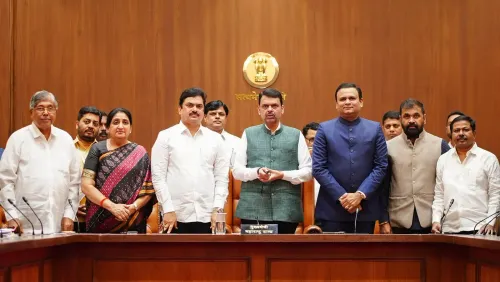
Ministers Chandrashekhar Bawankule and Mangal Prabhat Lodha attended the inauguration.
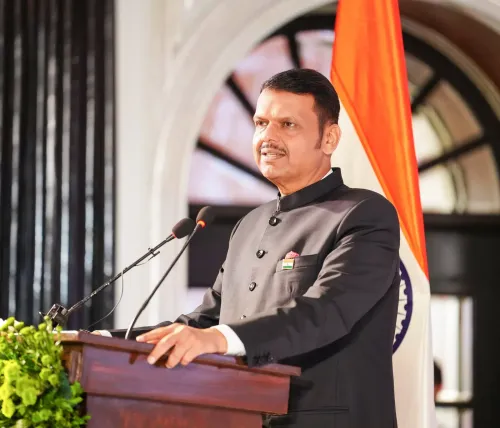
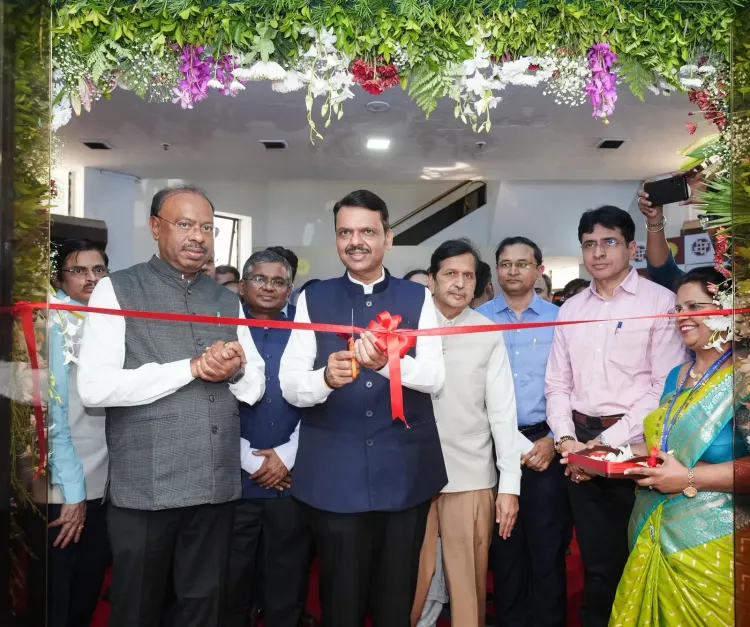
Queues at Maharashtra's property counters have long been the stuff of urban legend. On 27 November 2026, the Chief Minister's Office of Maharashtra said Chief Minister Devendra Fadnavis opened a Model Joint Sub-Registrar Office in Mumbai, a pilot designed on the lines of passport offices to shrink waiting times and put the entire registration trail on a digital track.
A Mumbai pilot modelled on Passport Seva
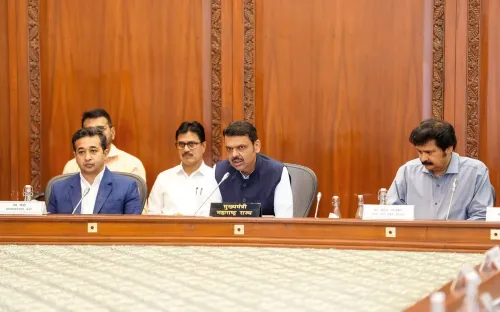
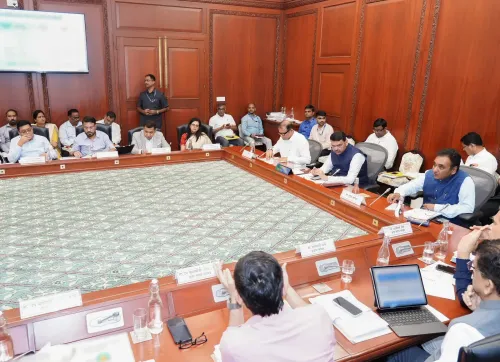
The office, named in Marathi as आदर्श सह दुय्यम निबंधक कार्यालय (Model Joint Sub-Registrar Office), was established on a pilot basis. Fadnavis inspected the premises and reviewed the facilities on offer. Ministers Chandrashekhar Bawankule and Mangal Prabhat Lodha attended the inauguration.
Nationally, the Passport Seva programme launched in 2012 introduced appointment-based, technology-driven citizen services that states have since adapted for local offices. Maharashtra's revenue and registration machinery has followed that same incremental path of computerisation under national e-governance frameworks.
Twelve facilities from reception to digital vault
The CMO listed the features in detail: a dedicated reception area, citizen assistance service, a queue management system, a comfortable waiting area, an appointment-based registration process, and a technology-enabled working system. Documents are to be verified before entry, then indexed and paginated after registration, stamped, scanned, and uploaded to the government registration system.
Secure management, digital preservation and tracking of records sit alongside guidance to citizens at every stage. In the CMO's words, these facilities will 'reduce waiting time for citizens and make the property registration process simpler and more transparent.'
Shorter waits for Mumbai property filings
Property owners and citizens seeking registration are the immediate stakeholders. Across India, states have pursued this kind of modernisation to cut procedural delays and improve record transparency in land and property transactions.
The next test is whether the Mumbai template is extended to more sub-registrar offices, and whether official data later shows a drop in average waiting or processing times. If the passport-office playbook can tame one of the most paper-heavy civic chores in Mumbai, the question is how fast the model leaves the pilot and reaches the rest of Maharashtra.
Point of View
With appointment slots, pre-entry checks, scanning and digital preservation aimed at the same pain points Passport Seva targeted more than a decade ago. For a government that has repeatedly sold administrative reform as a brand, the political test is scale: one model office in the capital is a ceremony until waiting times and record integrity move statewide. Watch whether the template is copied across sub-registrar offices and whether processing-time data is published.
NationPress
27 Nov 2026
Frequently Asked Questions
What is the Model Joint Sub-Registrar Office in Mumbai?
It is a pilot office inaugurated by Chief Minister Devendra Fadnavis on 27 November 2026, built on the lines of passport offices to modernise property registration with appointment-based service, queue management and digital records.
Who inaugurated the model sub-registrar office in Maharashtra?
Chief Minister Devendra Fadnavis inaugurated the office in Mumbai. Ministers Chandrashekhar Bawankule and Mangal Prabhat Lodha were also present.
How does the new office copy the passport office model?
It uses appointment-based registration, a dedicated reception, citizen assistance, queue management, pre-entry document checks and technology-enabled processing, features associated with the national Passport Seva programme launched in 2012.
Will the Mumbai model office reduce waiting time for property registration?
The Chief Minister's Office of Maharashtra said the facilities will reduce waiting time and make the property registration process simpler and more transparent. Independent data on actual waiting times after the pilot has not been released.
Where was the Model Joint Sub-Registrar Office opened?
The pilot office was inaugurated in Mumbai, the capital of Maharashtra.