CM Fadnavis Pushes Housing Drive, 4.21 Lakh Registered Under PMAY-U
Synopsis
Chief Minister Devendra Fadnavis chaired a review of PMAY-Urban and state housing schemes in Mumbai on July 30, 2026, reporting 4.21 lakh registrations, over ₹523 crore disbursed, and a plan to unify 35,679 vacant units across MHADA, CIDCO, and SRA on a single portal.
Key Takeaways
4,21,083 beneficiaries registered under PMAY-Urban 2.0 in Maharashtra as of July 30, 2026.
1,60,463 housing units sanctioned, including BLC, AHP, AHP-PPP, and ARH components, plus 43,691 SLAC-approved units.
BLC component has seen ₹448.69 crore disbursed on July 7 and ₹74.96 crore ordered on July 24, against a total approval of ₹675.45 crore .
EWS beneficiaries receive 5 brass free sand , 50% survey fee waiver , and ₹1,000 stamp duty on first document.
35,679 vacant units across MHADA, CIDCO, SRA, and local bodies to be listed on a single unified housing portal and mobile app.
The Re Nagar Federation project in Solapur — 30,000 homes on 365 acres — was reviewed at the meeting.
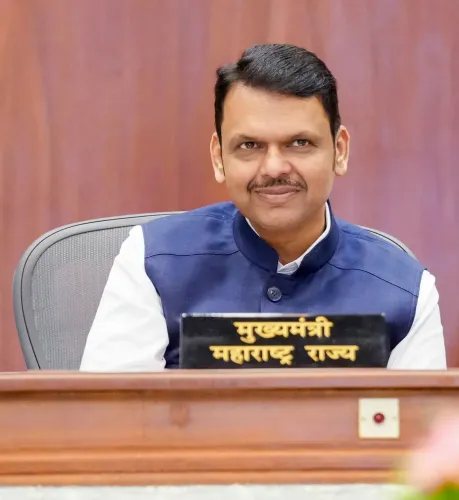
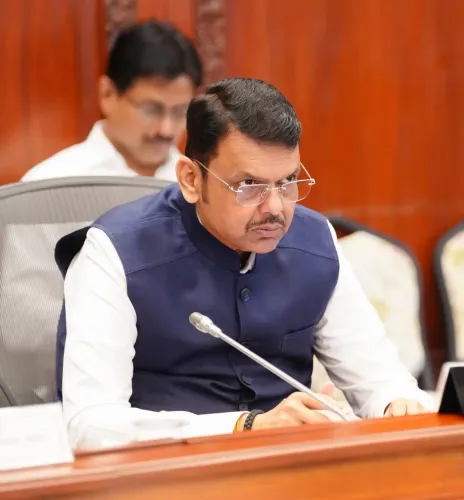
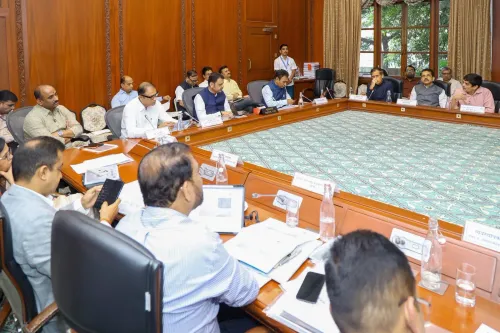
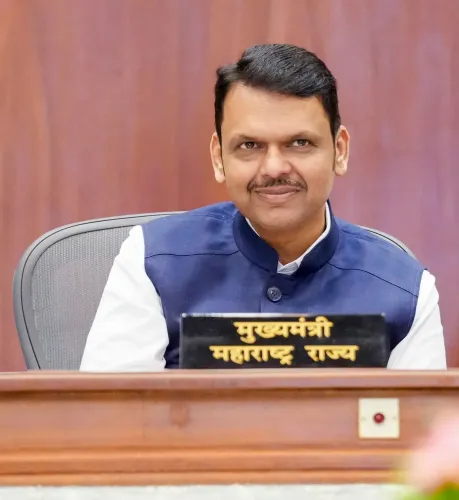
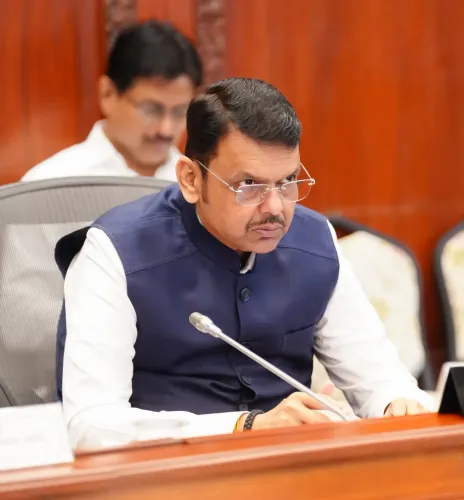
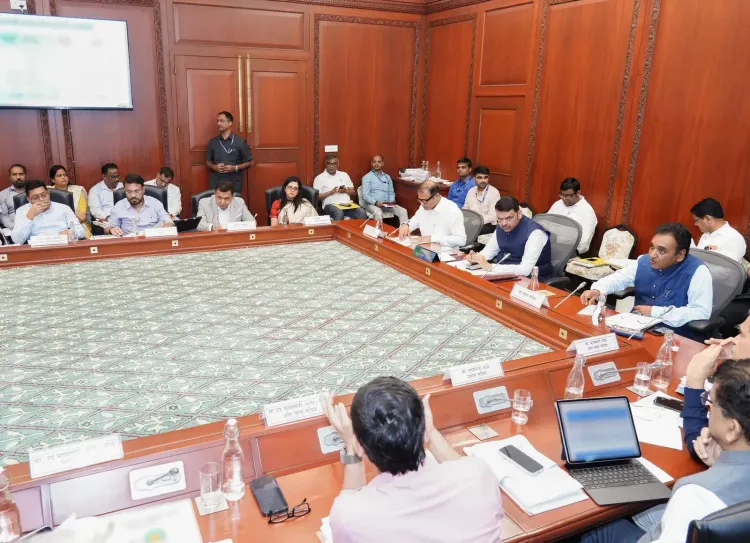
Over 4,21,083 beneficiaries have registered under Pradhan Mantri Awas Yojana (Urban) 2.0 in Maharashtra — and Chief Minister Devendra Fadnavis wants the machinery to move faster. Chairing a high-level review meeting at Sahyadri Guest House, Mumbai, on Thursday, July 30, 2026, Fadnavis directed officials to accelerate housing project implementation and ensure quality delivery within stipulated timelines.
What Fadnavis told officials at Sahyadri
The Chief Minister's directive was unambiguous: speed matters, but quality cannot be sacrificed. 'Prakalp darjedar paddhatiney, tatparatey poorna karavit' — projects must be completed with quality and promptness — was the instruction relayed from the CMO. Fadnavis asked agencies to ensure homes reach citizens within the prescribed period, warning that implementation bottlenecks would not be tolerated.
State Minister Dr. Pankaj Bhoyar and senior officials were present at the meeting.
Registration surge and funds already flowing
The beneficiary registration drive on the UWP web portal has drawn strong numbers: 4,21,083 registrations logged by July 30, 2026. Across Maharashtra, 1,60,463 housing units have been sanctioned under various components — BLC (Beneficiary-Led Construction), AHP (Affordable Housing in Partnership), AHP-PPP, and ARH (Affordable Rental Housing) — with an additional 43,691 SLAC-approved units in the pipeline.
On the funding side, a combined central and state allocation of ₹675.45 crore has been approved under the BLC component. A first tranche of ₹448.69 crore was disbursed on July 7, 2026, and orders for a second instalment of ₹74.96 crore were issued on July 24, 2026.
Incentives built in for EWS households
For Economically Weaker Section (EWS) beneficiaries, the state has layered in meaningful cost relief: 5 brass of sand free of charge for construction, a 50% waiver on survey fees, and a stamp duty of just ₹1,000 for the first registered document. Government and semi-government bodies can acquire land at a nominal ₹1 per square metre — a provision designed to unlock stalled affordable projects.
Solapur's 'Re Nagar' — 30,000 homes on 365 acres
The meeting also reviewed the ambitious 'Re Nagar Federation' project in Kumbhari village, Solapur — a 365-acre site earmarked for 30,000 housing units. The scale of Re Nagar signals Maharashtra's intent to move beyond incremental delivery toward township-scale solutions for urban housing demand.
One portal to track 35,679 vacant homes
Perhaps the most structurally significant announcement from the meeting is the proposed 'Housing Stock Management and Maharashtra Nivara Nidhi' policy. Right now, more than 35,679 units sit with various parastatal bodies — and no single window exists for citizens to find them. The breakdown: MHADA holds 15,291 units, CIDCO holds 11,830, local self-government bodies hold 13,575, SRA holds 2,281, and Shivshahi Punarvasan Project Ltd holds 84 (with an additional 3,945 units deployed as transit camps).
A unified portal and dedicated mobile application will aggregate all available inventory from MHADA, CIDCO, MMRDA, BMC, and SRA into a single 'Housing Stock' database. Priority allocation will follow a three-tier framework: first, transit accommodation for residents of dangerous or dilapidated buildings and project-displaced families; second, rentals for emergency cases; and third, remaining units distributed to EWS households per PMAY criteria, then by lottery, and finally on a first-come-first-served basis. Special categories — persons with disabilities, mill workers, mathadi workers, dabbawalas, and transgender persons — will receive dedicated allocations.
Maharashtra is betting that bringing fragmented housing stock under one roof — digitally — can turn idle inventory into delivered homes. The unified portal's launch date will be the real test of that wager.
Point of View
Using PMAY-Urban as both a delivery vehicle and a visibility exercise. The proposed unified housing stock portal is the more consequential move — it attempts to solve a long-standing coordination failure among Maharashtra's fragmented parastatal housing bodies. If the portal operationalises as described, it could meaningfully reduce the mismatch between vacant inventory and eligible demand, setting a template other large states may follow. The inclusion of non-traditional categories — transgender persons, dabbawalas, mathadi workers — signals an intent to broaden the political coalition of housing beneficiaries beyond conventional EWS definitions.
NationPress
14 Sept 2026
Frequently Asked Questions
How many people have registered under PMAY Urban 2.0 in Maharashtra?
As of July 30, 2026, a total of 4,21,083 beneficiaries have registered on the UWP web portal under Pradhan Mantri Awas Yojana (Urban) 2.0 in Maharashtra.
What is the Re Nagar project in Solapur?
The Re Nagar Federation project is a large-scale housing development in Kumbhari village, Solapur, spanning 365 acres and targeting 30,000 housing units. It was reviewed at CM Fadnavis's housing meeting on July 30, 2026.
What benefits do EWS beneficiaries get under Maharashtra's housing scheme?
EWS beneficiaries receive 5 brass of sand free for construction, a 50% waiver on survey fees, and a stamp duty of just ₹1,000 on their first registered document. Government bodies can also get land at ₹1 per square metre.
What is Maharashtra's unified housing stock portal?
Maharashtra plans to launch a single portal and mobile app aggregating all vacant homes held by MHADA, CIDCO, MMRDA, BMC, and SRA — currently totalling 35,679 units — so citizens can access all available housing inventory in one place.
How much money has been released for housing under PMAY Urban in Maharashtra?
Under the BLC component, a total of ₹675.45 crore has been approved. Of this, ₹448.69 crore was disbursed on July 7, 2026, and orders for a second tranche of ₹74.96 crore were issued on July 24, 2026.