Iran-Gulf states Salalah meeting postponed, says Oman FM
Synopsis
A rare multilateral meeting between Iran and Gulf states — including talks on safe maritime routes through the Strait of Hormuz — was called off hours before it was due to begin in Oman's Salalah, with the Omani foreign minister citing a need for 'consensus'. No new date has been set, signalling that bridging differences among Gulf states on engaging Iran remains a work in progress.
Key Takeaways
Omani Foreign Minister Sayyid Badr bin Hamad Al Busaidi announced on Sunday that the regional meeting in Salalah , scheduled for Monday , has been postponed.
Iran's Foreign Ministry said the deferral was made at some regional countries' requests and reflects a joint decision by Iran and Oman .
The meeting was set to cover regional issues including Iran-Oman talks on safe routes through the Strait of Hormuz .
Foreign ministers of Gulf littoral states, Iran , and Iraq were expected to attend.
Iraq separately announced a phased reopening of Shalamcheh , Mandali , and al-Sheeb border crossings with Iran, under directives from PM Ali al-Zaidi .
No new date for the rescheduled Salalah meeting has been announced.
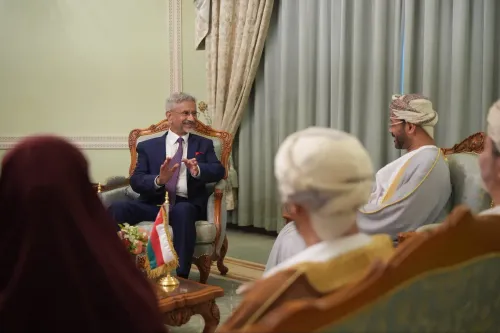
A high-level regional meeting between Iran and Gulf states, scheduled for Monday, 15 September 2025 in the Omani city of Salalah, has been postponed, Omani Foreign Minister Sayyid Badr bin Hamad Al Busaidi announced on Sunday via a post on social media platform X. The deferral marks a fresh setback to diplomatic efforts aimed at stabilising relations across the Persian Gulf region.
What the Omani Foreign Minister Said
'In the interests of consensus the regional meeting set for tomorrow in Salalah has been postponed,' Al Busaidi wrote in his post. He added: 'We remain committed to fostering dialogue that supports stability and lasting cooperation in our region.' Oman has long served as a discreet diplomatic back-channel between Iran and Western and Arab interlocutors, and the postponement underscores the fragility of current consensus-building efforts.
Iran's Explanation for the Delay
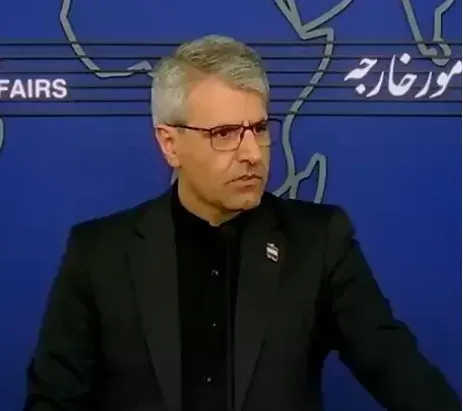
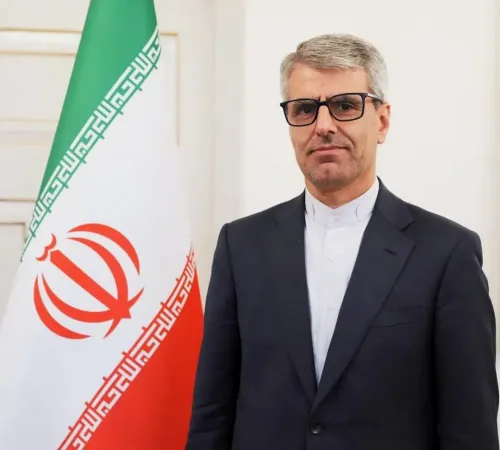
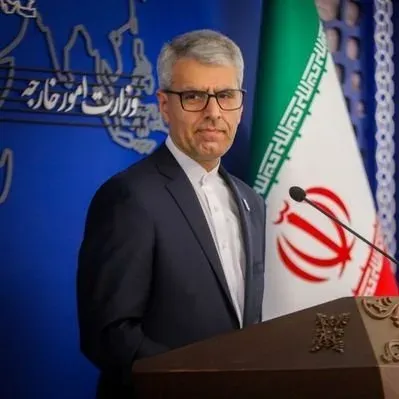
Mohammad Ali Bak, director general of the Persian Gulf at the Iranian Foreign Ministry, confirmed the postponement in an interview, stating it was deferred at the request of some regional countries and on the basis of a joint decision by Iran and Oman. He indicated that Tehran is in close consultations with Muscat to determine an appropriate date and ensure the necessary logistical and diplomatic arrangements are in place. Iran's Foreign Ministry spokesman Esmaeil Baghaei had announced on Friday that the gathering was intended to bring together foreign ministers of Gulf littoral states, including Iran and Iraq, to exchange views on regional issues — notably the Iran-Oman talks on designating safe maritime routes in the Strait of Hormuz.
Background: What Was on the Agenda
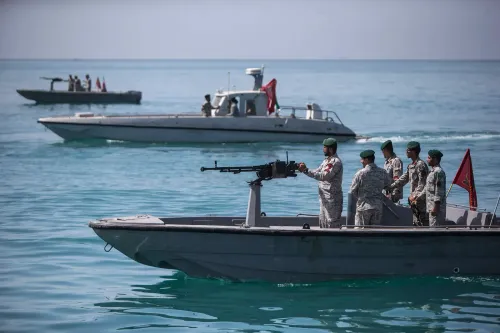
The Salalah meeting was conceived as a multilateral platform for dialogue on a range of sensitive regional concerns. Chief among them was the question of safe passage routes through the Strait of Hormuz, a critical global shipping chokepoint through which an estimated 20% of the world's traded oil passes. Tensions over maritime security in and around the strait have been a persistent flashpoint, making the proposed dialogue format particularly significant. This is not the first time regional diplomatic gatherings involving Iran have been delayed, reflecting deep-seated differences over security architectures and bilateral grievances among Gulf states.
Iraq Reopens Iran Border Crossings
In a development running parallel to the diplomatic impasse, Iraq announced on Sunday a phased reopening of three major border crossings with Iran — Shalamcheh, Mandali, and al-Sheeb — following administrative and technical reviews aimed at enhancing security and streamlining border movement. The decision was taken under the directives of Iraqi Prime Minister Ali al-Zaidi, according to a statement by the Security Media Cell (SMC), affiliated with the Iraqi Joint Operations Command. Passenger travel through the al-Sheeb and Shalamcheh crossings resumed at 6 am on Sunday, while commercial trade at Shalamcheh is set to resume on Monday, followed by Mandali on Tuesday and al-Sheeb on Thursday. The SMC noted that the Zurbatiyah and al-Munthiriya crossings remain fully operational around the clock, with trade and passenger movement unaffected.
What Happens Next
No new date has been announced for the rescheduled Salalah meeting. The outcome will be watched closely by analysts tracking Gulf-Iran normalisation efforts, especially amid broader regional recalibrations following shifts in Arab-Iranian diplomatic engagement in recent years. The Strait of Hormuz maritime agenda is expected to remain on the table whenever the meeting reconvenes.
Point of View
Which makes the inability to even convene a meeting a telling signal. Against this backdrop, Iraq's decision to reopen border crossings with Iran offers a rare note of pragmatic forward movement — though bilateral border management and multilateral Gulf diplomacy operate on very different tracks.
NationPress
14 Sept 2026
Frequently Asked Questions
Why was the Iran-Gulf states meeting in Salalah postponed?
The meeting was postponed at the request of some regional countries, with Omani Foreign Minister Al Busaidi citing the need for 'consensus' among participants. It reflects a joint decision by Iran and Oman to defer to a mutually agreed later date.
What was the Salalah meeting supposed to discuss?
The meeting was expected to cover regional issues including talks on designating safe maritime routes through the Strait of Hormuz, with foreign ministers from Gulf littoral states, Iran, and Iraq scheduled to attend.
Has a new date been announced for the rescheduled meeting?
No new date has been announced as of Sunday. Iran says it is in close consultations with Oman to determine an appropriate time and ensure the necessary diplomatic and logistical arrangements are in place.
What is Oman's role in Iran-Gulf diplomacy?
Oman has historically served as a neutral diplomatic intermediary between Iran and other regional and international actors. Hosting the Salalah meeting was consistent with this role, though the postponement reflects the limits of Omani facilitation when broader Gulf consensus is absent.
What did Iraq announce about its border crossings with Iran?
Iraq announced a phased reopening of the Shalamcheh, Mandali, and al-Sheeb border crossings with Iran, under directives from Prime Minister Ali al-Zaidi. Passenger travel at al-Sheeb and Shalamcheh resumed on Sunday, with commercial trade to follow on a staggered schedule through Thursday.