Iran-Gulf foreign ministers meeting in Oman postponed at Saudi Arabia's request
Synopsis
A rare multilateral diplomatic gathering between Iran and Gulf foreign ministers — focused partly on securing safe routes through the Strait of Hormuz — was called off hours before it was due to start in Salalah, with Tehran pointing the finger squarely at Riyadh. The postponement, with no new date confirmed, leaves one of the Gulf's most sensitive maritime and security dialogues hanging.
Key Takeaways
A Iran-Gulf foreign ministers meeting planned for Monday, 14 September in Salalah, Oman was postponed at Saudi Arabia's request.
Omani FM Sayyid Badr bin Hamad Al Busaidi announced the deferral on X on Sunday, citing 'interests of consensus.' Iran's FM spokesman Esmaeil Baghaei rejected reports linking the postponement to Saudi-Houthi tensions, calling them 'a wrong address.' The meeting was set to cover Strait of Hormuz safe-route designations and broader regional security issues.
Iran says it is in 'close consultations' with Oman to fix a new date; no timeline has been confirmed.
A high-level meeting between the foreign ministers of Iran and Gulf states, scheduled for Monday, 14 September 2026 in the Omani city of Salalah, has been postponed at Saudi Arabia's request, according to Iran's Foreign Ministry spokesman Esmaeil Baghaei. The deferral adds fresh uncertainty to an already delicate regional diplomatic process centred on the Strait of Hormuz and broader Gulf security.
How the Postponement Unfolded
Omani Foreign Minister Sayyid Badr bin Hamad Al Busaidi first announced the deferral on Sunday via a post on social media platform X. 'In the interests of consensus, the regional meeting set for tomorrow in Salalah has been postponed,' Al Busaidi stated. He added: 'We remain committed to fostering dialogue that supports stability and lasting cooperation in our region.'
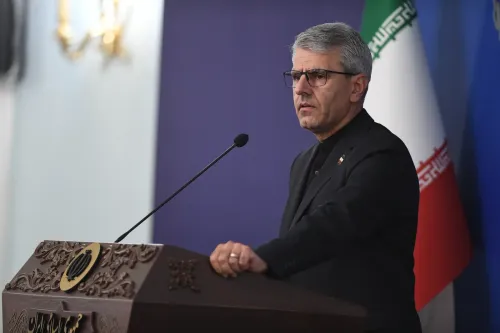
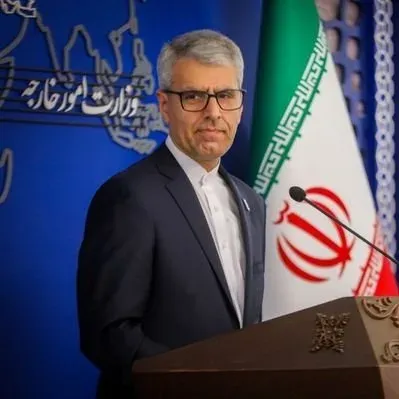
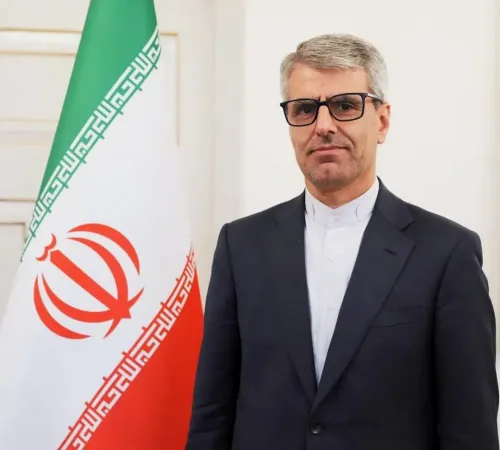
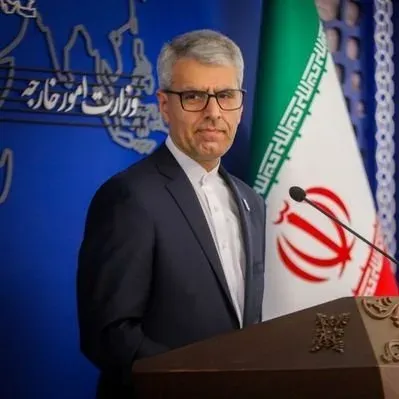
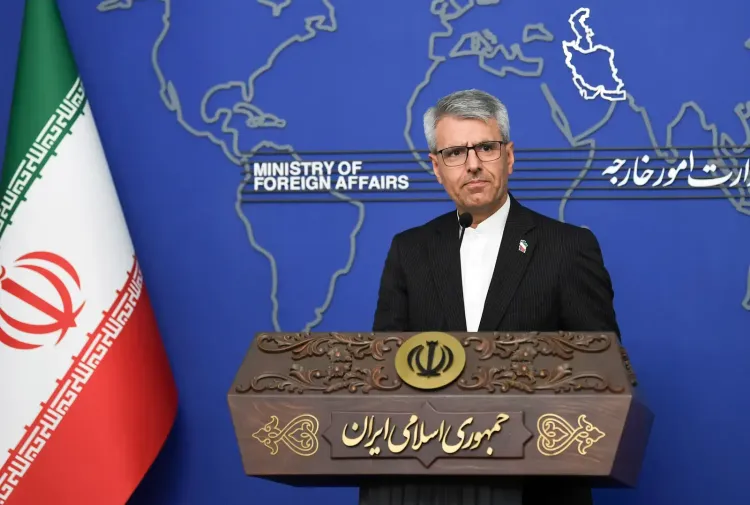
Baghaei subsequently confirmed the development at his weekly press conference in Tehran on Monday, attributing the postponement directly to Saudi Arabia's request. Mohammad Ali Bak, director general of the Persian Gulf at the Iranian Foreign Ministry, separately said the meeting was deferred 'to another date at some regional countries' requests and based on a joint decision by Iran and Oman.'
Iran Pushes Back on Houthi Link
Baghaei pointedly rejected reports suggesting the meeting was called off due to the escalating tensions between Saudi Arabia and Yemen's Houthis. He described such speculation as 'giving a wrong address,' dismissing the theory without elaborating on Saudi Arabia's stated rationale for the request. The pushback signals Tehran's sensitivity to any framing that could undermine its stated role as a constructive regional interlocutor.
What the Meeting Was Meant to Address
Baghaei had announced the gathering just days earlier on Friday, describing it as a forum for Gulf littoral states' foreign ministers to exchange views on regional issues. A centrepiece agenda item was the ongoing Iran-Oman talks on designating safe maritime routes in the Strait of Hormuz — a waterway through which a significant share of global crude oil transits. On Saturday, Baghaei had said the meeting would 'hopefully' include foreign ministers from Gulf states as well as Iran and Iraq.
What Happens Next
Iran says it is in 'close consultations' with Oman to determine an appropriate new date. The Omani foreign ministry, which has positioned itself as a trusted neutral broker between Tehran and Gulf capitals, has not specified when the rescheduled meeting might take place. The absence of a firm new date leaves the Strait of Hormuz dialogue in limbo at a moment of heightened regional sensitivity.
Point of View
And the timing — amid renewed friction with the Houthis — raises questions Tehran is understandably keen to pre-empt. Iran's sharp rebuttal of the Houthi link reflects its awareness that being seen as enabling Houthi disruption would undermine its claim to be a responsible Gulf interlocutor. Oman's role as convener is not damaged per se, but every deferral erodes the momentum it has painstakingly built. The deeper issue is that Gulf multilateral dialogue remains hostage to bilateral suspicions — and no amount of neutral venue-setting by Muscat can paper over that until Saudi Arabia and Iran reach greater bilateral predictability.
NationPress
14 Sept 2026
Frequently Asked Questions
Why was the Iran-Gulf foreign ministers meeting in Oman postponed?
The meeting, scheduled for 14 September in Salalah, Oman, was postponed at Saudi Arabia's request, according to Iran's Foreign Ministry spokesman Esmaeil Baghaei. Iranian officials also indicated it was deferred based on a joint decision by Iran and Oman after requests from 'some regional countries.'
Who announced the deferral of the Salalah meeting?
Omani Foreign Minister Sayyid Badr bin Hamad Al Busaidi announced the deferral on Sunday via a post on social media platform X, stating it was postponed 'in the interests of consensus.' Iran's FM spokesman Esmaeil Baghaei confirmed it the following day at a press conference in Tehran.
Was the postponement linked to Saudi-Houthi tensions?
Iran's Foreign Ministry spokesman Esmaeil Baghaei explicitly rejected this explanation, calling such reports 'giving a wrong address.' He denied that developments between Saudi Arabia and Yemen's Houthis were responsible for the deferral.
What was the Iran-Gulf Oman meeting supposed to discuss?
The meeting was intended to allow Gulf littoral states' foreign ministers, along with Iran and Iraq, to exchange views on regional issues. A key agenda item was the Iran-Oman talks on designating safe maritime routes through the Strait of Hormuz.
When will the meeting be rescheduled?
No new date has been confirmed. Iran has said it is in 'close consultations' with Oman to determine an appropriate time, but neither Tehran nor Muscat has provided a specific timeline for the rescheduled meeting.