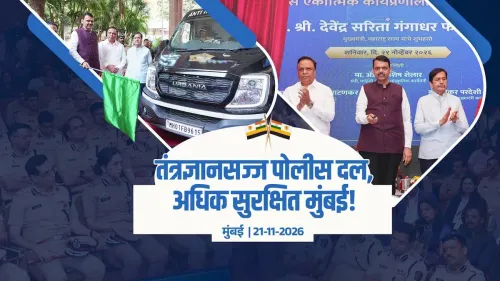
CM Fadnavis inaugurates Mumbai Police projects, hails women's safety
Synopsis
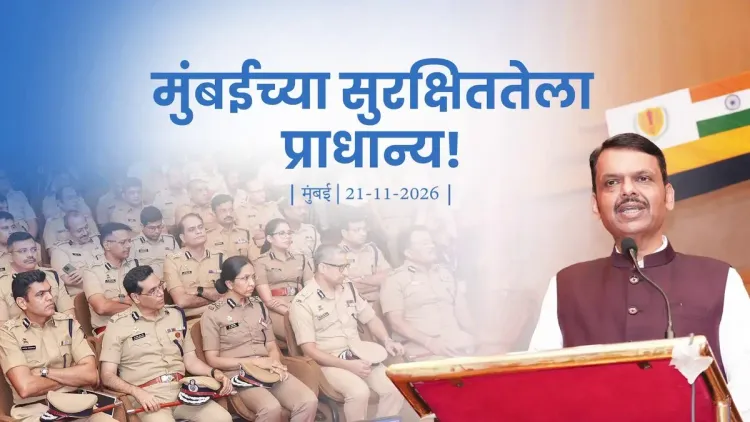
Maharashtra CM Devendra Fadnavis inaugurated new Brihanmumbai Police Commissionerate projects on 21 November 2026, declaring Mumbai safe for women at midnight and invoking smart-policing reforms as the foundation of urban security.
Key Takeaways
Maharashtra CM Devendra Fadnavis inaugurated multiple projects of the Brihanmumbai Police Commissionerate in Mumbai on 21 November 2026 .
Fadnavis asserted that Mumbai is safe for women even at midnight , attributing the safety to Mumbai Police's work.
The event was held under the #SmartPolicing banner, reflecting a broader state push for technology-driven law enforcement.
Maharashtra has a continuing policy lineage of police modernisation including CCTV expansion and women-specific safety measures since the mid-2010s.
Specific project details and performance outcomes remain to be detailed as rollout proceeds.
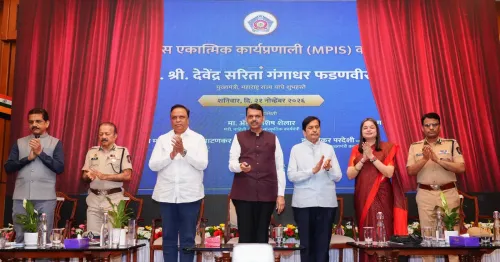
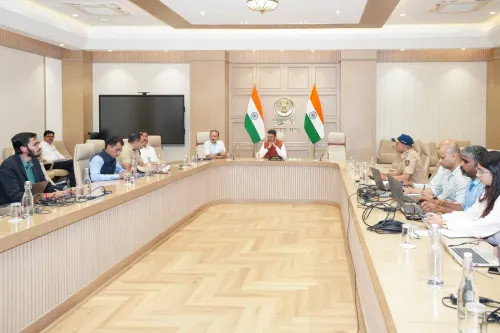
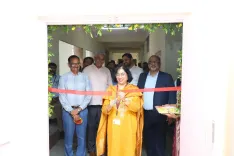
Mumbai's streets are safer at midnight than many cities manage at noon — that is the claim Maharashtra Chief Minister Devendra Fadnavis made on Saturday, 21 November 2026, as he inaugurated a clutch of new projects by the Brihanmumbai Police Commissionerate in Mumbai.
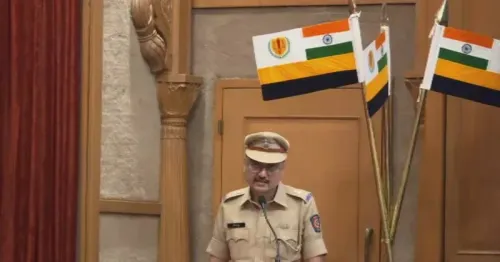
Posting in Marathi and Hindi, the Chief Minister declared: 'आपली मुंबई, मुंबई पोलिसांमुळे सुरक्षित!' ('Our Mumbai is safe, because of Mumbai Police!'), adding that women can travel safely even at midnight in the city. The launch event, held under the banner of the Brihanmumbai Police Commissionerate, brought together several projects under the smart-policing umbrella.
What the inauguration signals for Mumbai's policing infrastructure
Mumbai Police is the primary law-enforcement body for Greater Mumbai and one of the largest urban police forces in the world. The Brihanmumbai Police Commissionerate oversees operations across the metropolitan area, and periodic project launches under its banner have typically included expansions of CCTV networks, rapid-response systems, and women-specific safety helplines. While the precise list of projects launched on 21 November 2026 has not been independently detailed, the event was framed explicitly around the theme of public safety for women.
Maharashtra governments, across successive administrations, have promoted technology-driven policing upgrades since the mid-2010s — surveillance expansion, 'Dial 100' response optimisation, and dedicated women's safety cells. Friday's inauguration fits squarely into that lineage, now branded under the #SmartPolicing hashtag that Fadnavis amplified in his post.
Women's safety as the centrepiece of the messaging
The choice to anchor the launch around women's midnight safety is deliberate and politically resonant. Urban women's safety has been a persistent flashpoint in Maharashtra — and in India's broader policy conversation — since the early 2010s. By placing a woman commuter's experience at midnight at the front of the inauguration's narrative, the Fadnavis administration is signalling that the new infrastructure is not merely technical but social in its ambition.
What will matter now is the scorecard: rollout timelines, coverage maps, and whether the launches translate into measurable changes in reported incidents and public perception. Infrastructure inaugurations set expectations; the real test is the follow-through on the streets.
Point of View
Fadnavis is doing double political work: reinforcing his administration's law-and-order credentials ahead of any future electoral cycle while aligning with the national BJP narrative of infrastructure-led governance. The 'smart policing' framing also signals a move away from reactive policing toward data- and technology-led urban security management. However, inaugurations without published outcome benchmarks risk becoming soft-power moments rather than policy milestones — the administration will face pressure to show measurable impact. Maharashtra's track record on police modernisation is real but patchy, making follow-through the decisive variable.
NationPress
21 Nov 2026
Frequently Asked Questions
What projects did CM Fadnavis inaugurate for Mumbai Police on 21 November 2026?
CM Devendra Fadnavis inaugurated multiple projects of the Brihanmumbai Police Commissionerate on 21 November 2026 in Mumbai under the smart-policing initiative. The specific list of projects was not publicly detailed at the time of the launch event.
Is Mumbai safe for women at night?
CM Fadnavis claimed at the inauguration event that women can travel safely in Mumbai even at midnight, crediting Mumbai Police's work. Independent safety rankings and lived experiences vary, and measurable outcomes from the new projects will be watched closely.
What is the Brihanmumbai Police Commissionerate?
The Brihanmumbai Police Commissionerate is the administrative body that oversees all police operations across the Mumbai metropolitan area. It is one of the largest urban police jurisdictions in India.
What is smart policing in Maharashtra?
Smart policing in Maharashtra refers to technology-driven law-enforcement upgrades including expanded CCTV surveillance networks, rapid-response systems, women's safety helplines, and data-led patrol management. The state has pursued such initiatives since the mid-2010s.
What has Devendra Fadnavis done for women's safety in Mumbai?
As Chief Minister, Devendra Fadnavis has promoted urban policing modernisation with a specific emphasis on women's safety, most recently through the November 2026 inauguration of Brihanmumbai Police Commissionerate projects designed to improve security across the city.