CM Fadnavis invites Mumbai to National Book Trust's Book Festival
Synopsis
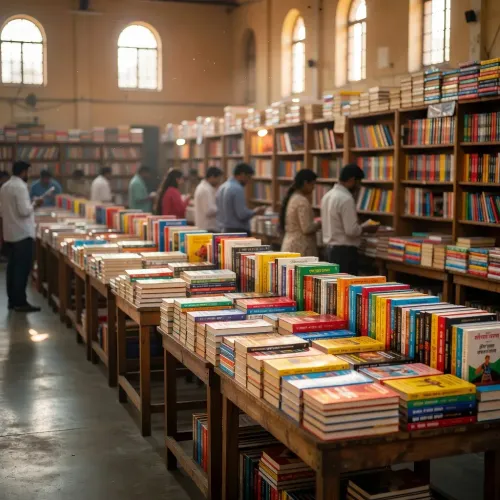
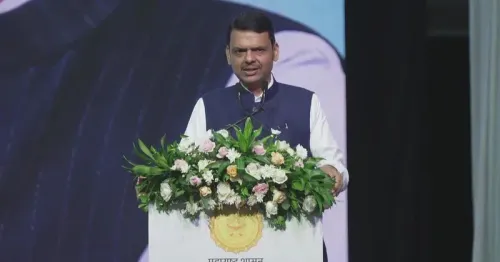
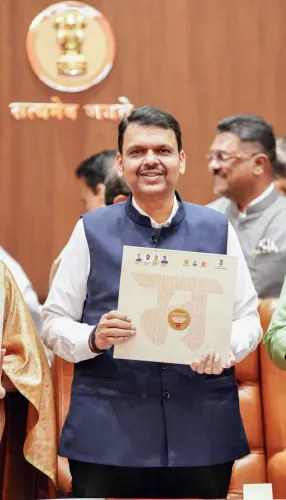
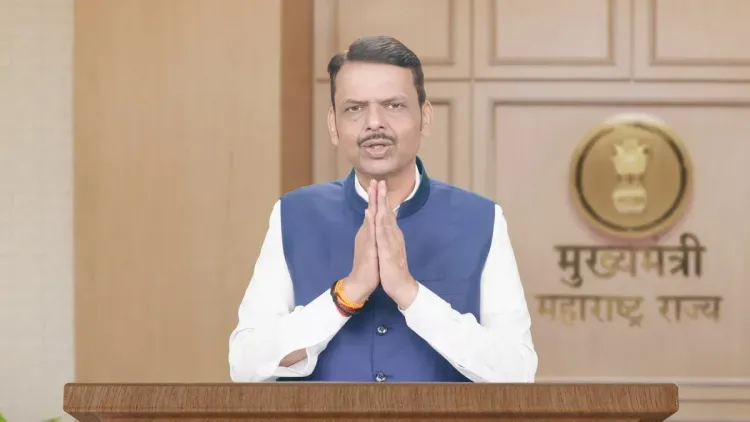
Maharashtra CM Devendra Fadnavis has publicly invited citizens to the Mumbai Book Festival 2026, organised by the National Book Trust at the University of Mumbai's Kalina Campus from 24 to 29 November, lending state-level visibility to the six-day literary fair.
Key Takeaways
Maharashtra CM Devendra Fadnavis personally promoted the Mumbai Book Festival 2026 on social media on 21 November 2026 .
The festival runs from 24 to 29 November at the Kalina Campus, University of Mumbai .
The event is organised by the National Book Trust, India — an autonomous body under the Ministry of Education established in 1957 .
NBT has conducted city-level book fairs across India since the 1960s as part of its literacy and affordable-books mandate.
The festival targets students, scholars, publishers, and general readers, with the Kalina Campus serving as a large public venue.
Books, readers, and a university campus — Maharashtra Chief Minister Devendra Fadnavis is calling on citizens to step into what he describes as the 'priceless world of books' at the Mumbai Book Festival 2026, organised by the National Book Trust, India at the Kalina Campus of the University of Mumbai from 24 to 29 November.
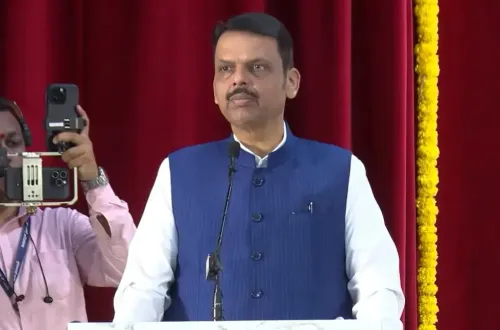
Posting in Hindi on Saturday, 21 November 2026, Fadnavis urged followers: 'आइए, पुस्तकों की अनमोल दुनिया का हिस्सा बनें' ('Come, be a part of the priceless world of books'). The message, tagged to @nbt_india and the hashtags #Maharashtra and #MumbaiBookFestival, positions the state's top executive as a visible patron of the literary event.
NBT's six-decade mandate meets Mumbai's biggest campus
The National Book Trust is no newcomer to this space. Established in 1957 as an autonomous body under the Ministry of Education, it has organised city-level book fairs across India since the 1960s — its core mandate being to promote reading habits, affordable books, and Indian literature in all its diversity. The Mumbai Book Festival is one of its periodic metro-level flagships, designed to bridge readers, publishers, and authors in a single open venue.
The choice of venue carries weight. The University of Mumbai's Kalina Campus — one of the sprawling hubs of one of India's oldest universities — routinely hosts large-scale academic and cultural gatherings, making it a natural fit for a six-day public literary fair aimed at students, scholars, and general readers alike.
State-centre cultural partnerships and why they matter now
Maharashtra governments have periodically co-promoted central cultural bodies' events at public universities, and Fadnavis's public endorsement fits a recognisable pattern: lending state visibility to federally-run literary initiatives. The timing is deliberate. Major metros are seeing digital media crowd out reading habits, and book festivals have become one of the more tangible tools in the national effort to push back.
For publishers and authors, a CM's amplification on social media is free reach into a large, engaged audience. For students at Kalina and surrounding colleges, it is a direct invitation from the state's highest office to walk into a world of discounted books and live author interactions — the kind of access that rarely comes to a university gate.
Six days, one campus, and a Chief Minister's personal nudge. The real measure of success will be in the footfall — and whether the state follows the festival with any structured reading-promotion scheme beyond the closing day.
Point of View
High-visibility cultural gesture that aligns a BJP-led state government with a centrally-run educational body — reinforcing centre-state coordination on soft-power initiatives. It also positions the Chief Minister as a patron of literacy at a moment when urban reading habits face sustained pressure from digital media. While the post is ceremonial in nature, it reflects a broader Maharashtra government pattern of amplifying federal cultural programmes to claim shared credit for grassroots outreach. The real policy question is whether such endorsements translate into structured state-level follow-through — reading promotion schemes, school partnerships, or subsidised book access — beyond the festival's closing day.
NationPress
21 Nov 2026
Frequently Asked Questions
What is the Mumbai Book Festival 2026?
The Mumbai Book Festival 2026 is a six-day literary fair organised by the National Book Trust, India, scheduled from 24 to 29 November at the Kalina Campus of the University of Mumbai, bringing together readers, publishers, and authors.
Where is the Mumbai Book Festival 2026 being held?
The festival is being held at the Kalina Campus of the University of Mumbai, one of India's oldest and largest universities.
Who is organising the Mumbai Book Festival?
The National Book Trust, India — an autonomous body under the Ministry of Education established in 1957 — is the organiser of the Mumbai Book Festival.
Why did CM Devendra Fadnavis promote the book festival?
Fadnavis posted an invitation on social media urging citizens to attend, lending the state government's visibility to the NBT-organised event as part of broader cultural and literacy promotion efforts in Maharashtra.
What does the National Book Trust do?
The National Book Trust, India, established in 1957, promotes reading habits, affordable books, and Indian literature through publications and book fairs held across the country since the 1960s.