CM Sai champions Mahatari Sadan for women's economic rise
Synopsis
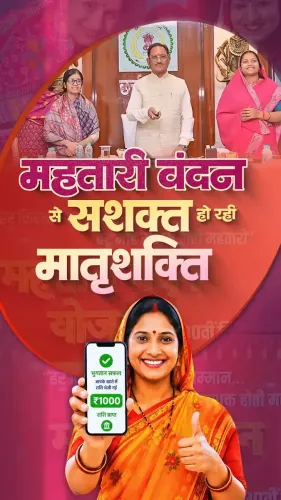
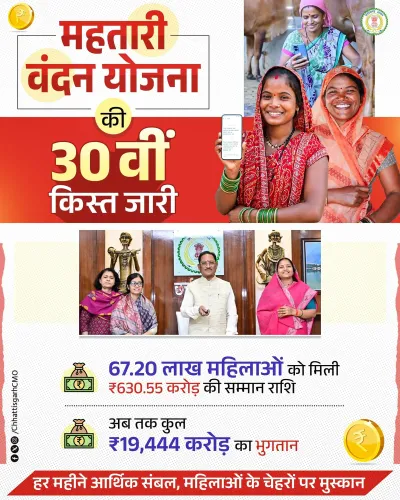
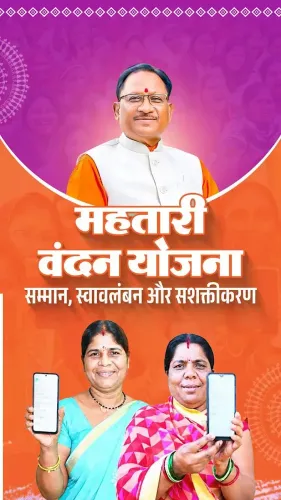
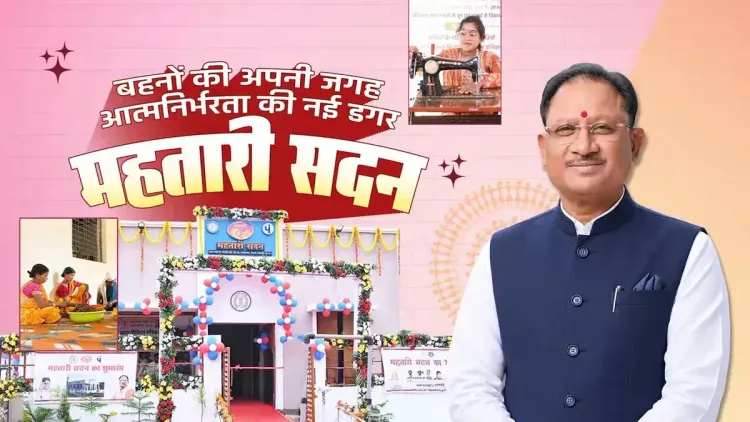
Chhattisgarh CM Vishnu Deo Sai highlighted 'Mahatari Sadan' on 21 November 2026, framing the state initiative as a platform for women's self-confidence, collective strength, and economic self-reliance under the 'Vikasit Chhattisgarh' vision.
Key Takeaways
CM Vishnu Deo Sai promoted state scheme Mahatari Sadan on 21 November 2026 via social media.
The scheme targets women's self-confidence, collective strength, and economic self-reliance in Chhattisgarh .
Primary stakeholders are women and self-help groups across the state.
The initiative is aligned with the government's 'Vikasit Chhattisgarh' development narrative.
Budget allocations and rollout details are expected to surface in upcoming state assembly sessions.
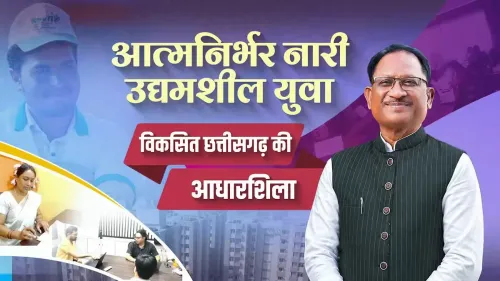
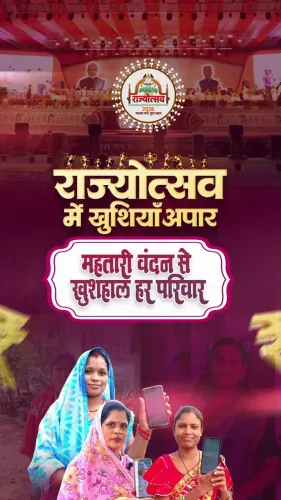
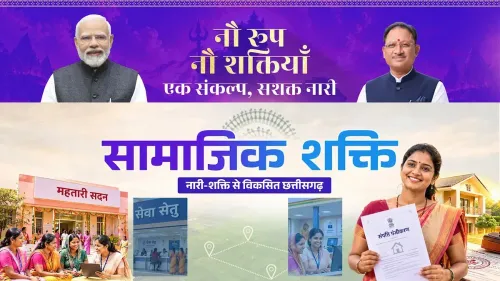
A quiet but consequential shift is under way in Chhattisgarh — one being driven not by infrastructure tenders or headline budgets, but by women gathering in community spaces to build financial independence. Chhattisgarh Chief Minister Vishnu Deo Sai on Saturday, 21 November 2026, spotlighted his government's initiative 'Mahatari Sadan', calling it an innovative step toward women's self-confidence, collective strength, and economic self-reliance.
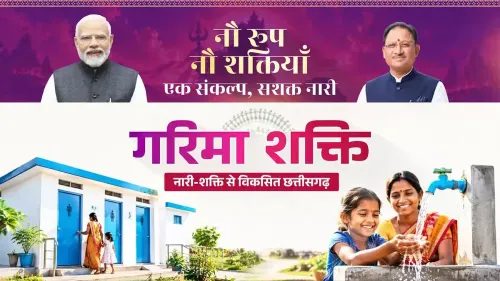
Posting in Hindi, the Chief Minister described the scheme as giving 'nari shakti' (women power) new pathways to self-reliance and ensuring their 'active participation in the development of the state.' The goal, he said, is their central contribution to building a 'Vikasit Chhattisgarh' — a developed Chhattisgarh.
What Mahatari Sadan is designed to do
Mahatari Sadan — the name itself blends mahatari (mother, in the Chhattisgarhi dialect) with sadan (a gathering space or house) — is positioned as a platform where women, particularly those in self-help groups, can connect with economic opportunities and state-backed resources. The scheme sits within the BJP government's broader welfare architecture in the state, which Sai has led since taking office after the 2023 Chhattisgarh assembly elections.
The emphasis on samuhik shakti — collective strength — signals a self-help group model at the heart of the initiative. Such models have a proven track record across Indian states: pooled savings, micro-credit access, and shared skilling create a floor of economic dignity that individual schemes often cannot.
Chhattisgarh's women-first development push
The post is the latest in a pattern of welfare messaging from the Sai administration, which has increasingly framed women's economic participation as central to its 'Vikasit Chhattisgarh' vision — a state-level echo of the Centre's 'Viksit Bharat' narrative. For a state where large sections of the female workforce remain in informal agriculture and forest-produce collection, formalising and monetising that participation through structured platforms carries real stakes.
What the government does next — budget allocations, district-level rollout targets, and performance benchmarks — will determine whether Mahatari Sadan becomes a model others replicate or another scheme awaiting its moment. The upcoming state assembly session is the first real test of that intent.
Chhattisgarh's women are not waiting to be developed. The question is whether the platform being built for them is as sturdy as their ambition.
Point of View
The Sai administration is consciously mirroring the Centre's 'Viksit Bharat' brand, creating a coherent top-down narrative from Delhi to Raipur. The self-help group model at the scheme's core borrows from decades of proven microfinance evidence, lending it credibility beyond political optics. The real test, however, lies in verifiable scale — beneficiary numbers, credit disbursements, and income outcomes that the government will need to defend in budget and assembly debates.
NationPress
21 Nov 2026
Frequently Asked Questions
What is Mahatari Sadan in Chhattisgarh?
Mahatari Sadan is a state government initiative in Chhattisgarh designed to promote women's self-confidence, collective strength, and economic self-reliance, with a focus on connecting women and self-help groups to new livelihood opportunities.
Who launched the Mahatari Sadan scheme?
The scheme has been championed by Chhattisgarh Chief Minister Vishnu Deo Sai and is positioned as an innovative initiative of his BJP-led 'Sushasan Sarkar' (good governance government).
What does 'Vikasit Chhattisgarh' mean?
'Vikasit Chhattisgarh' means 'Developed Chhattisgarh' — a state-level development vision articulated by the Sai government that mirrors the Centre's 'Viksit Bharat' (Developed India) narrative.
How does Mahatari Sadan help women in Chhattisgarh?
The scheme aims to link women — particularly through self-help group models — to economic opportunities, state-backed resources, and skill platforms, helping formalise their participation in the state's economy.
What is the meaning of 'Mahatari' in Chhattisgarhi?
'Mahatari' means 'mother' in the Chhattisgarhi dialect, making 'Mahatari Sadan' roughly translatable as 'Mother's House' or 'Women's Gathering Space' — reflecting its community-centred character.