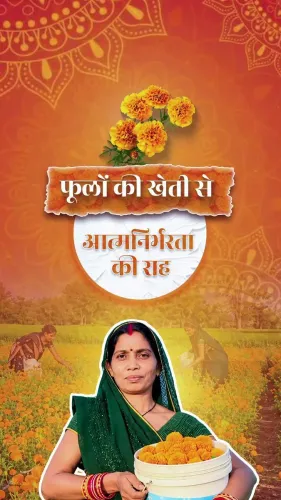
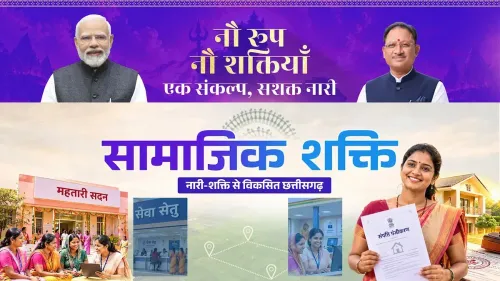
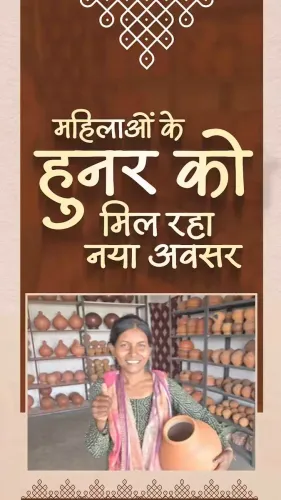
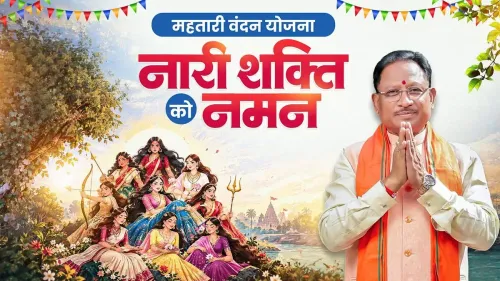
Chhattisgarh Rajyotsav 2026 Dedicated to Women's Empowerment
Synopsis
The Chhattisgarh CMO has themed the state's 2026 Rajyotsav around women's empowerment, highlighting Mahatari Vandan, Lakhpati Didi, Mahatari Sadan and Sakhi One Stop Centre as pillars of economic self-reliance and social protection for women across the state.
Key Takeaways
Chhattisgarh Rajyotsav 2026 is officially themed around Nari Sashaktikaran — women's empowerment.
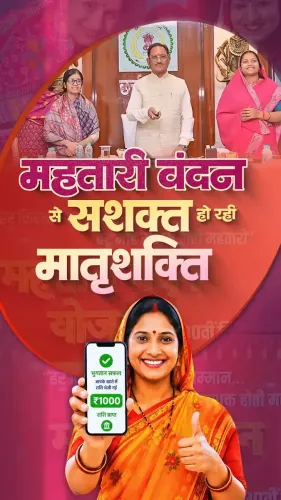
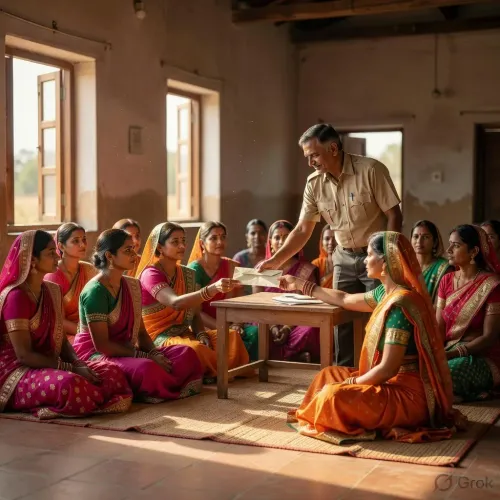
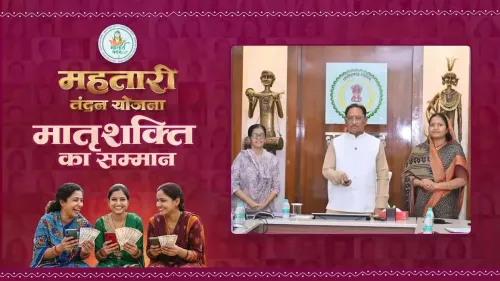
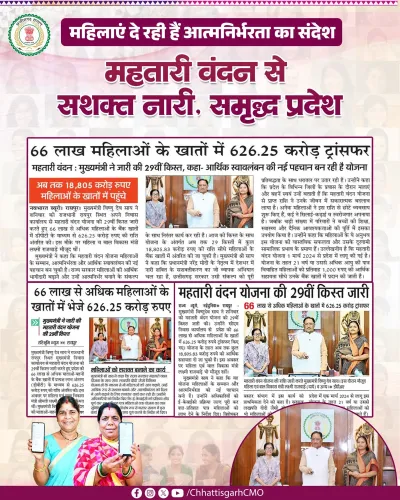
Mahatari Vandan provides monthly direct financial assistance to eligible women in the state.
Lakhpati Didi , a national programme under DAY-NRLM announced in 2023 , targets annual income of ₹1 lakh for women in self-help groups.
Sakhi One Stop Centres , a central scheme launched in 2015 , offer integrated support including legal aid, medical help and counselling to women in distress.
The state has layered its own schemes onto central programmes to address both economic independence and social safety simultaneously.
Coverage data and new announcements from the 2026 festival events will determine the on-ground impact of these commitments.
Chhattisgarh is marking its 2026 Rajyotsav with a pointed declaration: this year's state festival belongs to its women. The Chief Minister's Office of Chhattisgarh announced on Monday, November 2, 2026, that the annual celebration is themed around Nari Sashaktikaran — women's empowerment — placing schemes that span economic self-reliance and social protection at the heart of the festivities.
The CMO's post put four flagship initiatives front and centre: Mahatari Vandan, Mahatari Sadan, Lakhpati Didi, and Sakhi One Stop Centre. Together, the state frames them as a layered safety net — adding, in its own words, 'new dimensions of economic support, self-reliance, and dignity' to women's lives across the state.
What Mahatari Vandan and Lakhpati Didi Actually Do
Mahatari Vandan is a Chhattisgarh state scheme that provides eligible women with monthly financial assistance, delivering a direct cash floor under households where women have historically had little independent income. It is one of the state-specific pillars the current government has built atop the architecture of national welfare programmes.
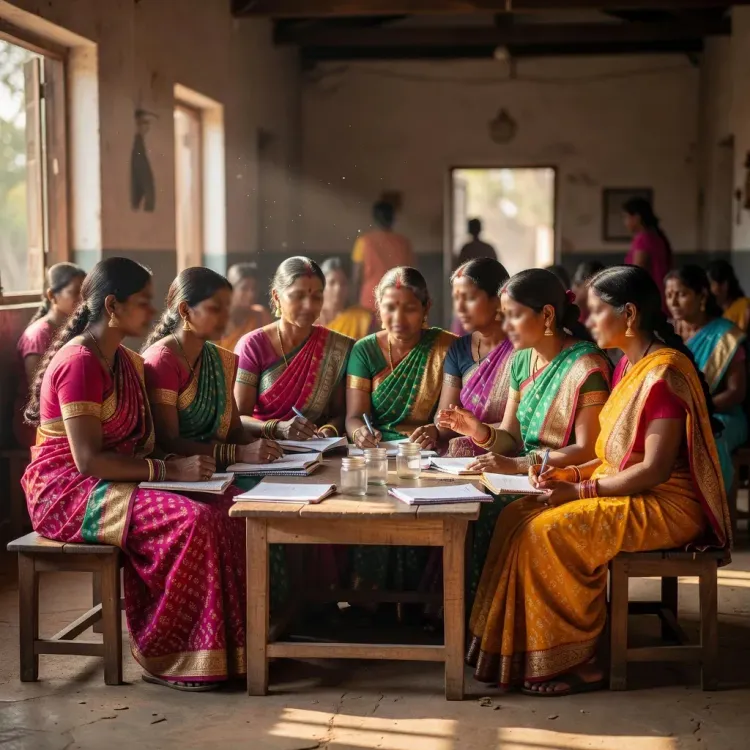
Lakhpati Didi operates at national scale under the Deendayal Antyodaya Yojana – National Rural Livelihoods Mission (DAY-NRLM), announced in 2023 to help women in self-help groups (SHGs) cross the threshold of ₹1 lakh in annual income. In Chhattisgarh, the programme taps an existing network of rural SHGs, aiming to convert subsistence participation into genuine livelihood progression.
Sakhi One Stop Centres and the Social-Protection Layer
While financial schemes address economic vulnerability, Sakhi One Stop Centres address its darker twin — physical and social insecurity. The central scheme, launched in 2015 by the Ministry of Women and Child Development, offers women facing violence or distress a single access point for police assistance, legal aid, medical help, and psychological counselling.
By invoking Sakhi in the same breath as income-support programmes, the state signals a deliberate design choice: empowerment is not complete without safety. It is the same logic driving similar layered models in several other states — financial independence and social protection reinforcing each other.
Rajyotsav as a Policy Platform
Chhattisgarh's Rajyotsav — the annual celebration of the state's founding — has increasingly served as a moment for the government to consolidate its welfare messaging and announce fresh targets. Framing the 2026 edition around Nari Shakti sends a visible signal about the administration's political and programmatic priorities heading into the rest of the year.
Progress reports on scheme coverage — how many women are enrolled in Mahatari Vandan, how many SHG members have crossed the Lakhpati Didi income threshold, how many Sakhi centres are operational — will be the real metric of whether the festival's ambitions translate into ground-level change.
The celebration has set a high bar. Now comes the accounting.
Point of View
Where states race to brand their commitment to women voters. The real test will be SHG income data and Sakhi centre utilisation figures, which will reveal whether the empowerment narrative is backed by genuine administrative capacity or remains aspirational. As several states head into election cycles, welfare-for-women branding is becoming a defining feature of ruling-party identity across the political spectrum.
NationPress
2 Nov 2026
Frequently Asked Questions
What is Mahatari Vandan scheme in Chhattisgarh?
Mahatari Vandan is a Chhattisgarh state government scheme that provides eligible women with monthly financial assistance to strengthen their economic independence and reduce household financial vulnerability.
What is the Lakhpati Didi programme and who benefits?
Lakhpati Didi is a national programme under DAY-NRLM, announced in 2023, designed to help women in rural self-help groups earn at least ₹1 lakh annually through skill development and livelihood support.
What does a Sakhi One Stop Centre do?
A Sakhi One Stop Centre provides integrated support — police assistance, legal aid, medical care and psychological counselling — to women facing violence or distress, under a central scheme launched in 2015.
What is Chhattisgarh Rajyotsav and when is it celebrated?
Chhattisgarh Rajyotsav is the annual festival marking the state's founding on November 1, 2000. The 2026 edition has been themed around women's empowerment, with key welfare schemes highlighted during the celebrations.
What is Viksit Chhattisgarh and how does it relate to women's welfare?
Viksit Chhattisgarh is the state government's broader development vision. Women's welfare schemes like Mahatari Vandan and Lakhpati Didi are positioned as core pillars of this agenda, linking financial inclusion of women to overall state progress.