CM Samrat Choudhary Hails Modi's RE-INVEST 2026 Inauguration
Synopsis
Bihar Chief Minister Samrat Choudhary shared a live update as PM Narendra Modi inaugurated Bharat RE-INVEST 2026 at Bharat Mandapam, New Delhi — India's flagship renewable energy investment summit now in its third edition.
Key Takeaways
PM Narendra Modi inaugurated Bharat RE-INVEST 2026 at Bharat Mandapam, New Delhi on 2 November 2026 .
Bihar Chief Minister Samrat Choudhary live-shared the event on X, highlighting the Prime Minister's role.
The summit is India's flagship platform to attract private investment in renewable energy, first held in 2015 with a 175 GW target .
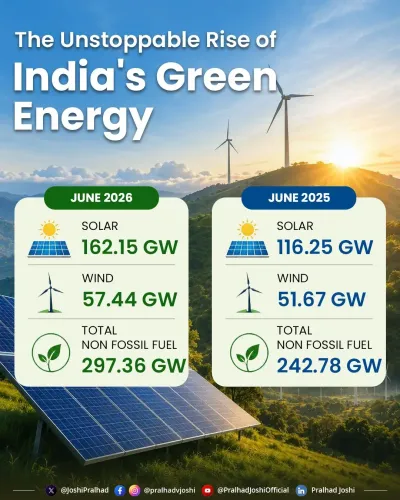
India's current renewable energy goal stands at 500 GW non-fossil fuel capacity by 2030 , reaffirmed at COP26 .
State governments participate to showcase projects and seek central support for grid transmission and manufacturing.
Investment pledges and state-level MoUs announced at the 2026 edition will be the key metrics to watch.
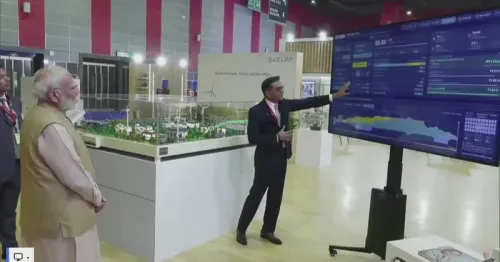
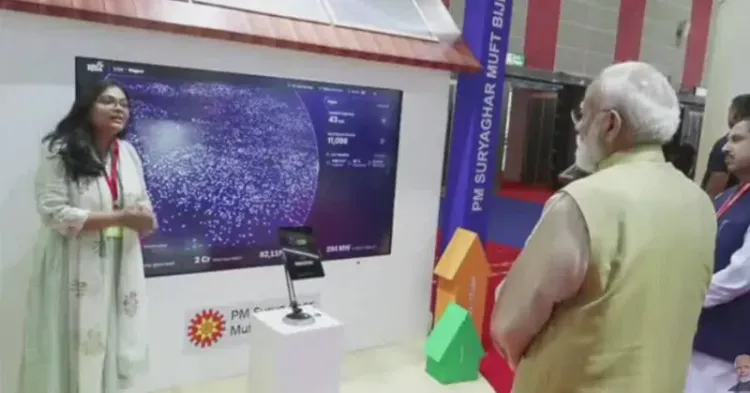
India's clean-energy ambition moved centre stage on Monday, 2 November 2026, as Prime Minister Narendra Modi inaugurated the Renewable Energy Summit and Expo 2026 — Bharat RE-INVEST — at Bharat Mandapam, New Delhi. Bihar Chief Minister Samrat Choudhary flagged the moment live on X, calling the Prime Minister 'yashasvi' (accomplished) and drawing attention to the scale of the flagship investment platform.
Bharat RE-INVEST: A Decade of Raising the Stakes
The summit is not a new institution — it is a decade-old escalation machine. When India first hosted RE-INVEST in 2015, the headline target was 175 GW of renewable energy capacity by 2022. Three years later, at the 2018 edition, that ambition was reset dramatically: 500 GW of non-fossil fuel capacity by 2030, a goal later reaffirmed on the world stage at COP26. Each summit has functioned as both a policy signal and a deal-making arena, channelling private capital into solar farms, wind corridors and, more recently, green hydrogen projects.
The 2026 edition arrives at a moment when India's net-zero pledge for 2070 demands that the pace of deployment accelerate sharply. Bharat Mandapam — the vast convention complex that also hosted the G20 New Delhi Summit — provides the setting: a deliberate architectural statement about India's appetite for global investment conversations.
Bihar's Stake in the Green Transition
Chief Minister Samrat Choudhary's live coverage of the inauguration signals Bihar's active positioning within the national renewable energy push. State governments use platforms like RE-INVEST to showcase investable projects and negotiate central support for transmission infrastructure and domestic manufacturing. For a state like Bihar — still building out its power grid — the summit represents an opportunity to attract capital that can outlast any single electoral cycle.
Investment pledges and any Bihar-specific renewable energy agreements announced during the summit will be the clearest measure of what the 2026 edition delivers beyond the opening ceremony.
India has spent a decade using these summits to turn climate commitments into term sheets. The real question now is whether the 2026 numbers match the 2030 deadline.
Point of View
And the 2026 edition carries heightened stakes as India's 2030 deadline for 500 GW non-fossil fuel capacity closes in. Chief Minister Choudhary's live amplification is textbook state-level political signalling — aligning Bihar's brand with the Centre's clean-energy narrative ahead of potential investment announcements. The choice of Bharat Mandapam reinforces India's post-G20 ambition to project itself as the default venue for high-stakes multilateral economic conversations. How much of the investment pledged at this summit translates into commissioned capacity will define RE-INVEST's legacy beyond the photogenic inaugurations.
NationPress
2 Nov 2026
Frequently Asked Questions
What is Bharat RE-INVEST 2026?
Bharat RE-INVEST 2026 is India's flagship Renewable Energy Summit and Expo, inaugurated by PM Narendra Modi at Bharat Mandapam in New Delhi on 2 November 2026. It is the third edition of the summit, designed to attract domestic and global investment into India's clean-energy sector.
Where is Bharat RE-INVEST 2026 being held?
The summit is being held at Bharat Mandapam , the major convention centre in New Delhi that also hosted the G20 New Delhi Summit.
What is India's renewable energy target for 2030?
India has set a target of 500 GW of non-fossil fuel capacity by 2030 , first announced at RE-INVEST 2018 and reaffirmed at COP26. The original 2015 target was 175 GW by 2022.
Why did Bihar CM Samrat Choudhary post about RE-INVEST 2026?
Chief Minister Samrat Choudhary shared a live update from the inauguration to highlight Bihar's interest in the national renewable energy push. State governments participate in RE-INVEST to attract investment and seek central support for grid and manufacturing projects.
What is India's net-zero target year?
India has pledged to achieve net-zero carbon emissions by 2070 , a commitment that gives renewed urgency to summits like RE-INVEST in accelerating clean-energy deployment.