CM Siddaramaiah Deploys 500 Powermen to Cyclone-Hit Andhra Pradesh
Synopsis
Karnataka CM D.K. Siddaramaiah has pledged 500 skilled Powermen and equipment to Andhra Pradesh after Cyclone Arnab uprooted over 15,000 electricity poles. Energy Minister K.J. George is overseeing the deployment, even as the approaching Cyclone Murasu threatens a fresh wave of damage.
Key Takeaways
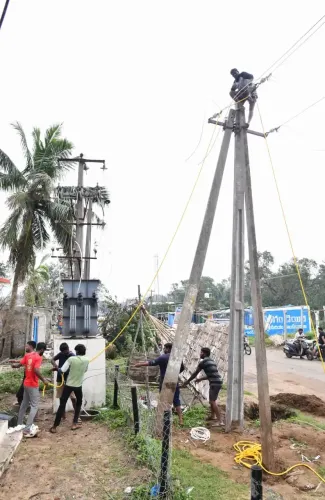
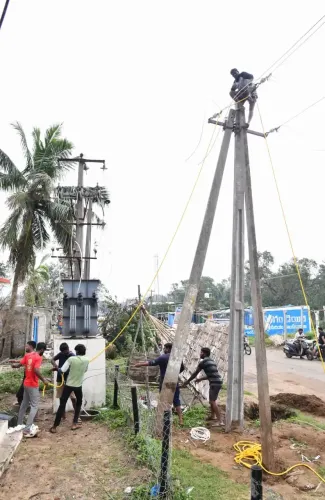
Cyclone Arnab uprooted more than 15,000 electricity poles across Andhra Pradesh, triggering a large-scale inter-state aid request.
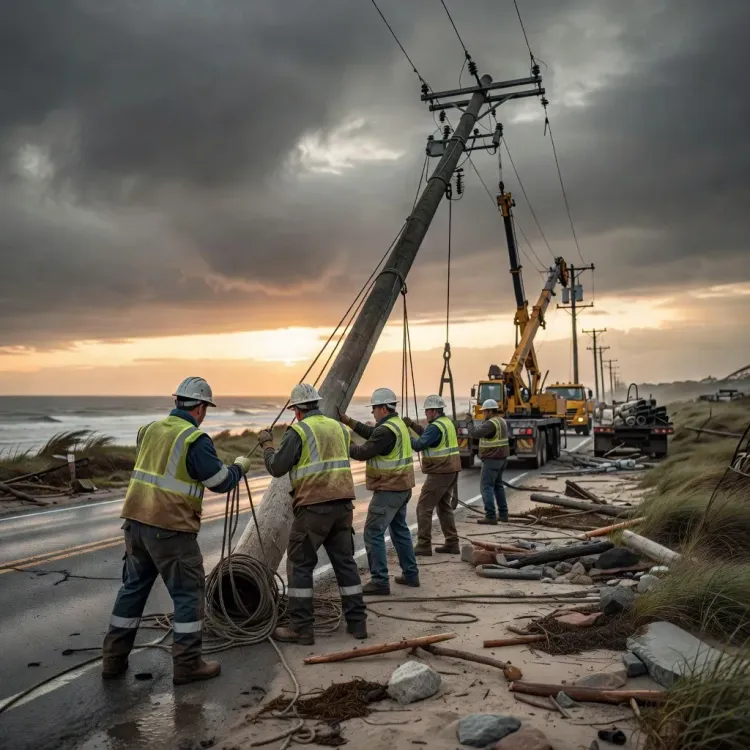
Karnataka is deploying 500 skilled Powermen along with equipment to expedite power restoration in cyclone-hit areas.
Energy Minister K.J.
George is personally monitoring the coordination between Karnataka's Energy Department and Andhra Pradesh authorities.
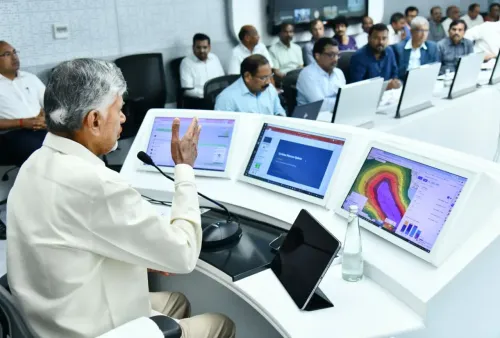
Siddaramaiah spoke directly with AP CM Chandrababu Naidu and assured full state support.
The approaching Cyclone Murasu poses a fresh threat; Karnataka will monitor its impact over the next two days and continue assistance accordingly.
The deployment reflects India's cooperative federalism framework, under which neighbouring states share specialised personnel during major disasters.
When a cyclone tears through a coastline, the lights go out — and keeping them out costs lives. With Cyclone Arnab having uprooted more than 15,000 electricity poles across Andhra Pradesh, Karnataka Chief Minister Shri D.K. Siddaramaiah called his counterpart Shri N. Chandrababu Naidu on Monday, 2 November 2026, and pledged full state support to accelerate the power restoration effort.
500 Skilled Powermen Rolling Towards the Storm Zone
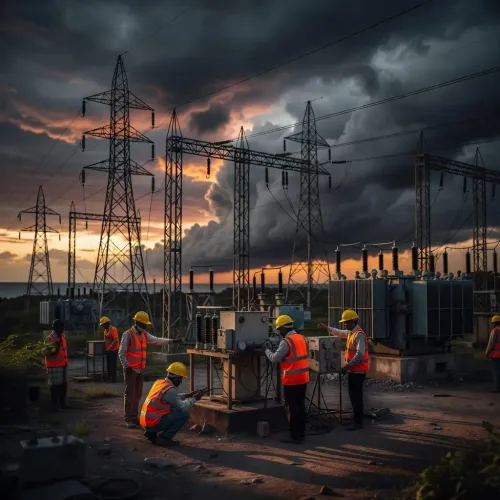
Karnataka's response is immediate and specific: the state is deploying 500 skilled Powermen, accompanied by necessary equipment, directly to the cyclone-affected areas. The teams will operate in close coordination with Andhra Pradesh authorities, ensuring manpower and machinery reach the right restoration sites without delay. Energy Minister Shri K.J. George is personally monitoring the coordination from Bengaluru.
The scale of the infrastructure damage explains the urgency. Fifteen thousand poles uprooted is not a number that local repair crews can absorb alone — it is a weeks-long undertaking that demands external surge capacity. Karnataka's Energy Department, which oversees one of south India's larger power grids, is now channelling that capacity across the state border.
Cyclone Murasu Adds a Second Front
Even as restoration crews prepare to mobilise, a fresh threat is forming. Cyclone Murasu is approaching the region, threatening to undo early repair work and compound the humanitarian toll. CM Siddaramaiah said Karnataka will monitor Murasu's trajectory and impact over the next two days and will continue extending all possible assistance as the situation evolves.
The double-cyclone scenario — one system's wreckage overlapping with the next system's approach — tests the limits of any single state's disaster response. By locking in Karnataka's commitment now, both governments buy the coordination time needed to pre-position crews before Murasu makes landfall decisions for them.
Cooperative Federalism in Action Along the Bay of Bengal
India's inter-state disaster aid framework has a well-worn track record along the Bay of Bengal coast. During Cyclone Michaung in 2023, neighbouring states similarly shared specialised personnel and equipment for infrastructure restoration. Karnataka and Andhra Pradesh, sharing a long land border, have engaged in mutual support during monsoon emergencies before — but the explicit deployment of a defined force of 500 specialist workers signals a structured, operationally serious commitment rather than a symbolic gesture of solidarity.
Electricity is not merely a convenience in a cyclone aftermath — it powers pumps that drain floodwater, refrigerators that preserve medicines, communication towers that connect rescue teams, and the hospital equipment that keeps the injured alive. Getting those 15,000 poles back up is, in effect, the precondition for every other relief operation to function at full speed.
Karnataka has drawn a clear line: until the lights return to Andhra Pradesh's storm-hit districts, the state stands shoulder to shoulder with its neighbour — and with another cyclone already on the radar, that commitment may be tested sooner than anyone hopes.
Point of View
Moving from symbolic gestures to operationally specific commitments. For Chief Minister Siddaramaiah, the move also reinforces inter-state goodwill with a neighbouring NDA-governed state, demonstrating that disaster diplomacy can transcend political divides. The looming Cyclone Murasu adds a stress-test dimension: if the power grid is knocked out again before restoration is complete, Karnataka's open-ended commitment will face a real logistical and political reckoning. The episode underscores how electricity infrastructure has become the central metric by which post-cyclone relief is judged — and why states with surplus power-sector capacity increasingly double as rapid-response partners.
NationPress
2 Nov 2026
Frequently Asked Questions
Why is Karnataka sending workers to Andhra Pradesh after the cyclone?
Cyclone Arnab uprooted over 15,000 electricity poles in Andhra Pradesh, overwhelming local repair capacity. Karnataka is deploying 500 skilled Powermen and equipment to help restore power supply faster in the affected areas.
What is Cyclone Arnab and where did it hit?
Cyclone Arnab is the storm that caused widespread power infrastructure damage across Andhra Pradesh, a southern Indian state on the Bay of Bengal coast that is historically prone to cyclones.
Who is overseeing Karnataka's relief deployment to Andhra Pradesh?
Energy Minister Shri K.J. George is closely monitoring the coordination effort from Karnataka's Energy Department, which is managing the logistics of the 500-Powermen deployment.
What is Cyclone Murasu and is it a threat to Andhra Pradesh?
Cyclone Murasu is a second approaching storm that threatens to cause fresh damage in the region. Karnataka CM Siddaramaiah said the state will assess its impact over the next two days and continue extending assistance.
How does inter-state disaster support work in India?
Under India's cooperative federalism framework, neighbouring states routinely share specialised personnel, equipment, and resources during major disasters. Karnataka and Andhra Pradesh have cooperated in similar ways during past monsoon and cyclone emergencies.