Cyclone Arnab: Andhra Pradesh races to restore power, roads in worst-hit districts
Synopsis
Cyclone Arnab has left 393 villages in Konaseema and West Godavari still without power even as Andhra Pradesh claims 93% restoration statewide. With 3.52 lakh hectares of crops inundated, 384 mobile towers dark, and flood inflows continuing, CM Chandrababu Naidu has moved to the field — but the hardest-hit districts reveal how uneven the recovery really is.
Key Takeaways
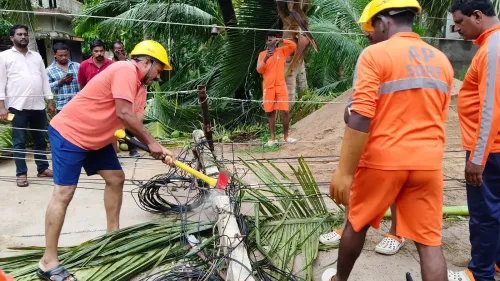
Andhra Pradesh has restored power to 4,881 of 5,404 cyclone-affected villages — about 93% — within the APEPDCL jurisdiction as of 30 October .
393 villages in Konaseema and West Godavari districts are still without electricity.
661 of 1,045 affected mobile towers have been restored; 384 remain pending.
Agricultural crops spanning 3,52,254 hectares across 16 districts have been inundated; horticultural crops across 23,211 hectares are affected.
The state received an estimated 380 TMC of rainfall between 26–29 October ; flood inflows are still continuing.
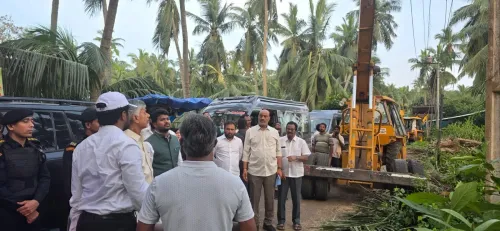
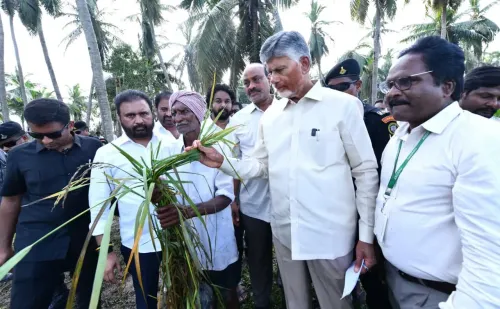
Chandrababu Naidu conducted an on-ground review in West Godavari and directed officials to complete relief operations without delay.
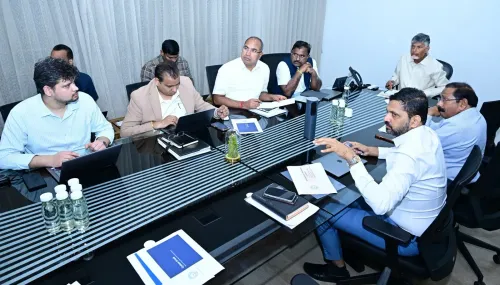
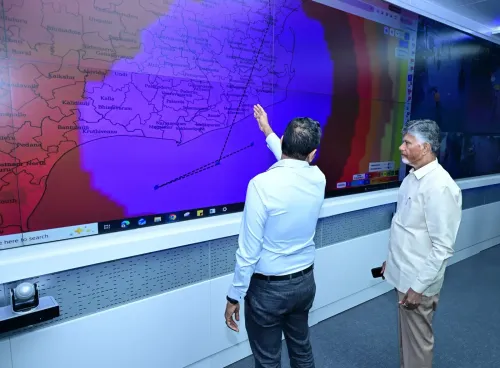
Authorities in Andhra Pradesh are working on a war footing to restore normalcy across districts battered by Cyclone Arnab, with power, roads, and mobile communication networks being the primary focus, officials said on Friday, 30 October. Chief Minister N. Chandrababu Naidu conducted a high-level review of relief and restoration operations before undertaking a field visit to the severely affected West Godavari district.
Power Restoration: 93% Complete, Konaseema and West Godavari Lag
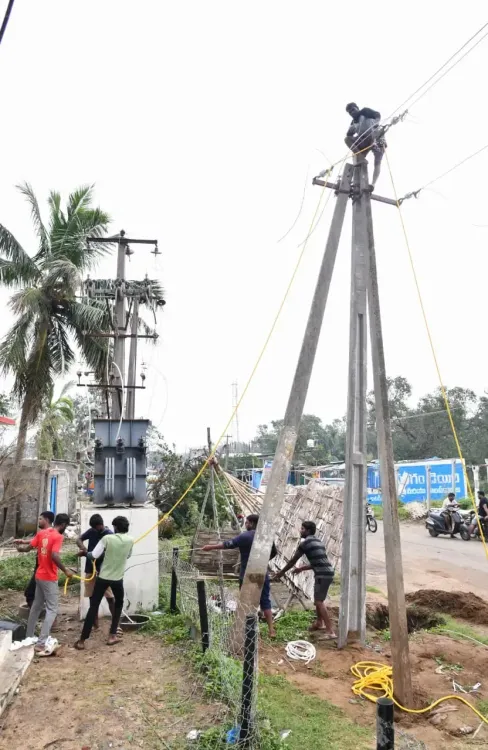
Within the jurisdiction of the Andhra Pradesh Eastern Power Distribution Company Limited (APEPDCL), electricity has been restored to 4,881 out of 5,404 villages that experienced outages — approximately 93% of the affected area. Of the 552 substations that were hit, 513 have been brought back online, leaving 39 still to be restored.
Full restoration has been achieved in the Vizianagaram, Visakhapatnam, Anakapalli, Kakinada, and Eluru districts, according to officials. However, the situation remains critical in the Konaseema region, where power has reached only 87 out of 316 villages, and in West Godavari, where 154 out of 318 villages have been reconnected. Combined, 393 villages in these two districts are yet to have supply restored. In Krishna district, power has been brought back to 867 of 915 affected villages. Officials noted that restoration work has been accelerating with technical support drawn from other states.
Roads Cleared, Mobile Towers Partially Restored
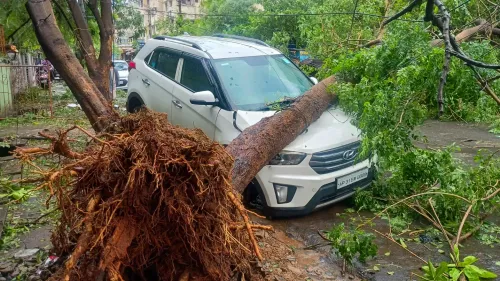
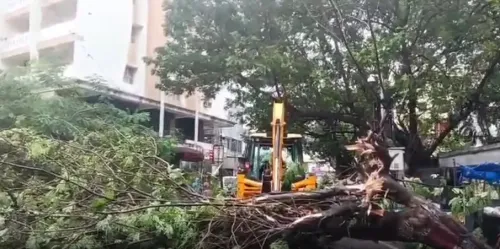
On the transport front, 2,270 trees that had fallen across Roads and Buildings (R&B) department roads have been cleared. Konaseema district alone accounted for 1,334 of those removals. Connectivity has been restored at 119 out of 137 locations where traffic was disrupted, while 2,425.45 kilometres of R&B roads sustained damage due to the cyclone.
Mobile communication services are being progressively restored as well. Of the 1,045 affected mobile towers across service providers, 661 have been brought back online. The remaining 384 towers are still pending restoration, leaving several pockets without connectivity.
Agricultural and Water Resource Damage
The scale of agricultural damage is significant. Agricultural crops spanning 3,52,254 hectares across 16 districts have been inundated, while horticultural crops across 23,211 hectares have been affected. Temporary restoration work has been completed at 100 sites under the Water Resources Department, covering 78 tanks and 22 canals.
According to official estimates, the state received approximately 380 TMC of water due to rainfall between 26 and 29 October. Flood inflows are reportedly still continuing. Through water management measures, an additional 4.68 TMC has been stored in reservoirs, with the potential for another 5–6 TMC to be stored.
Chief Minister Naidu Reviews Operations on Ground
Chief Minister Naidu personally interacted with field-level staff during his review and instructed officials to maintain their commitment until relief reaches every affected individual and all pending issues are fully resolved. The administration has been deploying multiple departments simultaneously at the village level to accelerate relief delivery.
This comes amid a broader pattern of increasingly intense cyclonic activity along the Andhra coast, making post-disaster restoration a recurring governance challenge for the state. With flood inflows continuing and hundreds of villages still without power or mobile connectivity, the coming days will be critical for the administration's response.
Point of View
But the real story lies in what it conceals: Konaseema and West Godavari — the most exposed coastal districts — are less than half-restored, and 393 villages remain dark. Agricultural inundation across over 3.5 lakh hectares points to a protracted rural economic crisis that post-cyclone relief frameworks rarely address adequately. The continuing flood inflows and 384 non-functional mobile towers mean the disaster is still unfolding even as official communications shift to recovery mode. Andhra Pradesh has faced this pattern before — the gap between statewide averages and ground-level reality in the worst-hit pockets is where governance accountability must be demanded.
NationPress
30 Oct 2026
Frequently Asked Questions
What is the current status of power restoration in Andhra Pradesh after Cyclone Arnab?
As of 30 October, power has been restored to 4,881 of 5,404 affected villages within the APEPDCL jurisdiction — approximately 93% completion. However, 393 villages in Konaseema and West Godavari districts are still without electricity, making them the most critically affected areas.
Which districts in Andhra Pradesh are worst affected by Cyclone Arnab?
Konaseema and West Godavari are the worst-hit districts, with power restored to only 87 of 316 villages in Konaseema and 154 of 318 in West Godavari. Agricultural damage, road disruption, and mobile connectivity gaps are most severe in these two districts.
How much agricultural damage has Cyclone Arnab caused in Andhra Pradesh?
Agricultural crops across 3,52,254 hectares in 16 districts have been inundated due to the cyclone and associated floods. Horticultural crops across an additional 23,211 hectares have also been affected, signalling widespread rural economic damage.
What steps has Chief Minister Chandrababu Naidu taken in response to Cyclone Arnab?
CM N. Chandrababu Naidu conducted a review of relief and restoration operations before visiting the field in West Godavari district. He instructed officials to maintain full commitment until aid reaches every affected resident and all pending issues are resolved.
How much rainfall did Andhra Pradesh receive due to Cyclone Arnab?
The state received an estimated 380 TMC of water from rainfall between 26 and 29 October, according to official estimates. Flood inflows were still continuing as of 30 October, with an additional 4.68 TMC stored in reservoirs and potential for 5–6 TMC more.