CM Majhi pushes 'Subhadra Shakti' brand for Odisha women SHGs
Synopsis
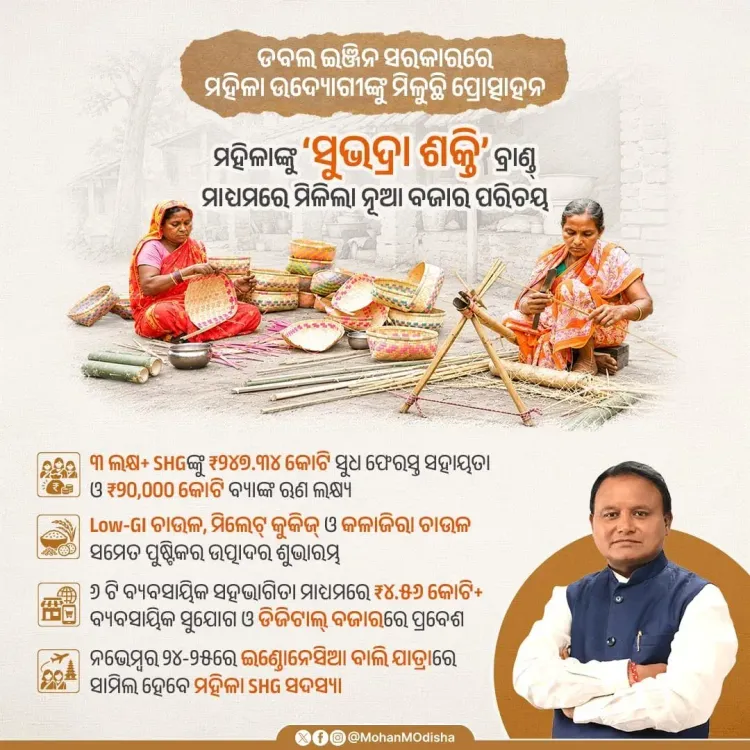
Odisha Chief Minister Mohan Charan Majhi has announced the 'Subhadra Shakti' brand to market women SHG products domestically and internationally, alongside interest-refund support and a ₹20,000 crore bank-loan target covering over 3 lakh SHGs.
Key Takeaways
CM Mohan Charan Majhi announced the 'Subhadra Shakti' brand initiative on 21 November 2026 to give Odisha women SHG products a distinct commercial identity.
The scheme targets financial support to more than 3 lakh SHGs through interest-refund assistance.
A ₹20,000 crore bank-loan target has been set to fuel women-led micro-enterprises across Odisha.
New business partnerships and international market access form key pillars of the initiative.
The push builds on Mission Shakti , Odisha's SHG programme launched in 2001 , adding branding and global outreach layers under the post-2024 BJP government.
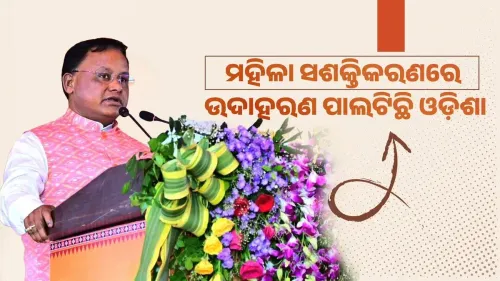
Odisha's women-led self-help groups now have a brand name to carry their products to international markets — and Chief Minister Mohan Charan Majhi is making that push the centrepiece of his government's women-empowerment agenda on Saturday, 21 November 2026.
'Subhadra Shakti' — a brand built for the bazaar and beyond
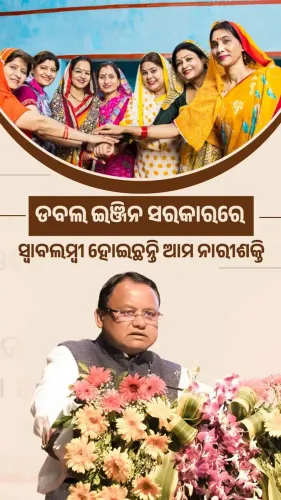
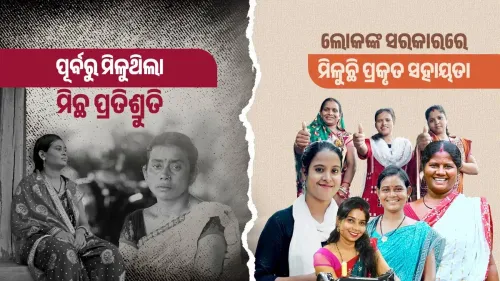
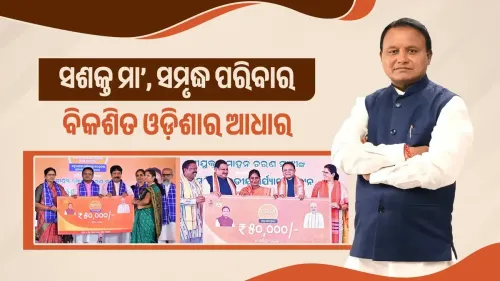
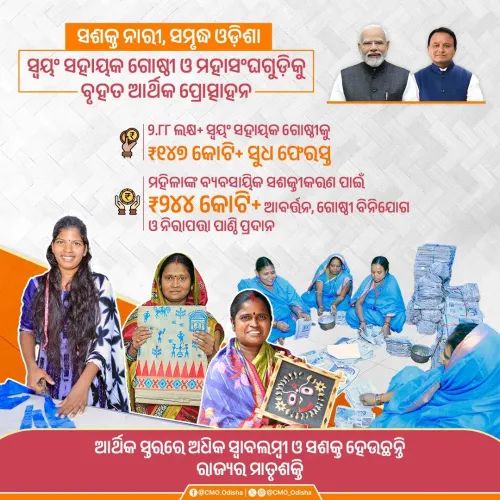
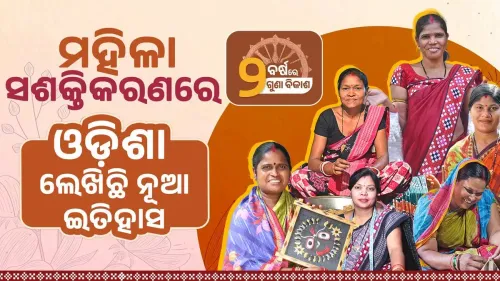
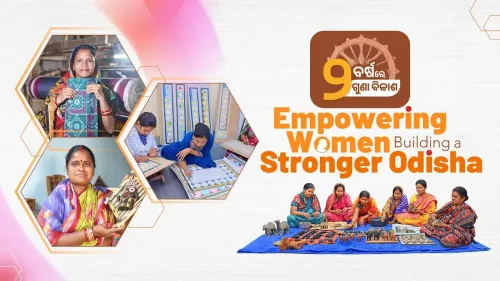
The 'Subhadra Shakti' brand initiative is designed to give products made by women's Self Help Groups (SHGs) a distinct commercial identity — moving them from village-level sale tables to formal market channels and, eventually, international buyers. CM Majhi underlined that the brand is already 'opening new avenues for women entrepreneurs to grow and prosper', pairing it with interest-refund support, fresh business partnerships, and a targeted ₹20,000 crore bank-loan push aimed at more than 3 lakh SHGs across the state.
The package is deliberate: branding alone does not sustain a micro-enterprise. Access to affordable credit — and the confidence that comes from knowing interest costs will be partially refunded — changes the calculus for a woman deciding whether to scale her unit or stay small. That is the bet the Majhi government is making.
Mission Shakti's long shadow — and the new chapter
Odisha's SHG story did not begin in 2024. Mission Shakti, the state's flagship programme for organising women into community savings and micro-credit groups, was launched back in 2001 — making it one of India's oldest and most expansive state-level SHG frameworks. Successive governments built the network; the current BJP administration is now layering commercial ambition on top of that two-decade foundation.
The 'Subhadra Shakti' branding push is new. So is the explicit reference to international market access — a signal that the government wants Odisha's SHG products, whether handicrafts, processed foods, or textiles, to compete beyond domestic borders. Whether the supply chains, quality certification pathways, and logistics exist to support that ambition is the detail to watch.
What the ₹20,000 crore target means on the ground
A ₹20,000 crore bank-loan target is a large headline number. For context, it translates to meaningful working capital for hundreds of thousands of small women-led enterprises if disbursed efficiently and equitably. The interest-refund mechanism softens the cost of borrowing — a critical lever in rural credit markets where high interest rates have historically kept women borrowers cautious.
The proof will be in disbursement velocity and actual business-partnership outcomes. For now, the signal from Bhubaneswar is clear: economic self-reliance for women is not a welfare footnote — it is the main headline.
Point of View
000 crore credit target, if met, would represent a substantial deepening of financial inclusion in rural Odisha and could become a template for other BJP-governed states. The international market access element is the most ambitious — and least tested — part of the package, requiring quality certification and supply-chain development that the post alone does not detail. Watch whether disbursement data and actual export outcomes are made public; transparency here will determine whether the initiative is a genuine policy lever or a branding exercise.
NationPress
21 Nov 2026
Frequently Asked Questions
What is the Subhadra Shakti brand in Odisha?
'Subhadra Shakti' is a brand initiative launched by the Odisha government under CM Mohan Charan Majhi to give products made by women's Self Help Groups a distinct market identity and open commercial and international opportunities for women entrepreneurs.
What is the bank loan target announced for Odisha SHGs?
The Odisha government has set a bank-loan target of ₹20,000 crore to support women-led Self Help Groups across the state under the Subhadra Shakti initiative.
How many SHGs will benefit from the Odisha government's interest-refund support?
More than 3 lakh Self Help Groups are set to receive interest-refund assistance under the initiative announced by CM Mohan Charan Majhi.
What is Mission Shakti Odisha?
Mission Shakti is Odisha's flagship SHG programme, launched in 2001, to organise women into self-help groups and promote savings, micro-credit, and small-scale enterprise activity. The 'Subhadra Shakti' brand builds on this long-standing foundation.
When did Mohan Charan Majhi become Chief Minister of Odisha?
Mohan Charan Majhi became Chief Minister of Odisha in June 2024, after the BJP's victory in the 2024 state assembly elections.