CM Majhi Highlights Subhadra Yojana Gains for Odisha Women
Synopsis
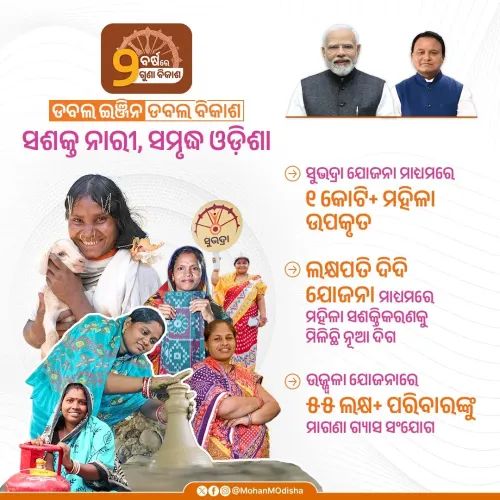
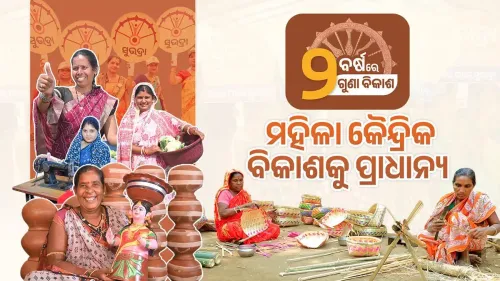
Odisha Chief Minister Mohan Charan Majhi on 24 June 2026 highlighted Subhadra Yojana and the Lakhpati Didi Abhiyan as cornerstones of the state's women's empowerment push, saying lakhs of women are becoming self-reliant through financial aid and strengthened self-help groups.
Key Takeaways
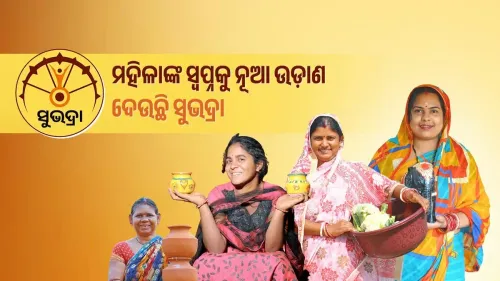
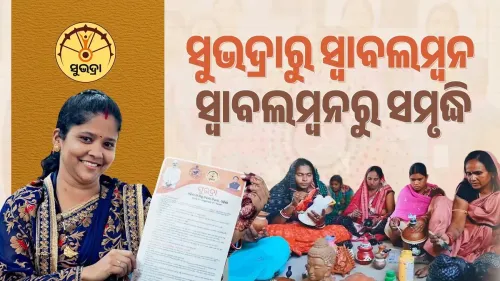
Subhadra Yojana is the Odisha government's flagship scheme providing financial assistance and livelihood support to women through self-help groups.
CM Mohan Charan Majhi cited the scheme as 'proof' of his government's firm commitment to women's empowerment on 24 June 2026 .
The Lakhpati Didi Abhiyan aims to enable women SHG members to earn at least Rs.
1 lakh annually , with Odisha claiming new milestones under the campaign.
Odisha's women's empowerment model builds on Mission Shakti (launched 2001 ) and the national DAY-NRLM framework (scaled up 2011 ).
Verified beneficiary figures for current Lakhpati Didi targets in Odisha are awaited from the Ministry of Rural Development's official progress reports.
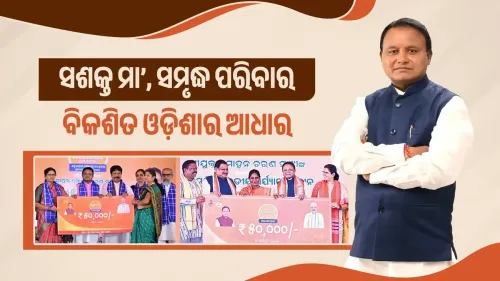
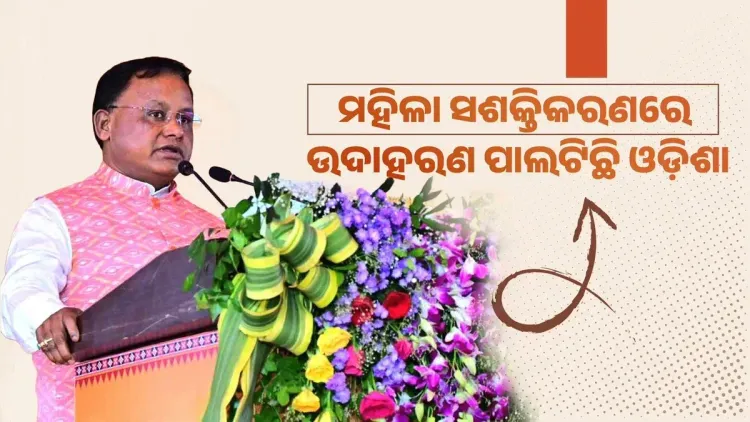
Odisha Chief Minister Mohan Charan Majhi on Wednesday, 24 June 2026, reaffirmed his government's commitment to women's economic empowerment, citing the Subhadra Yojana and progress under the Lakhpati Didi Abhiyan as evidence of measurable gains for women across the state.
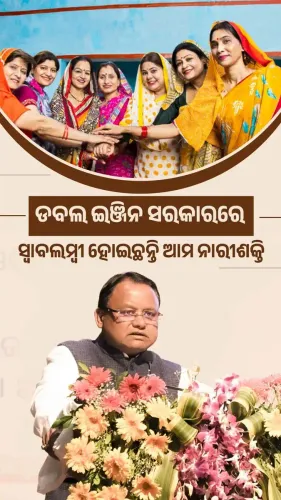
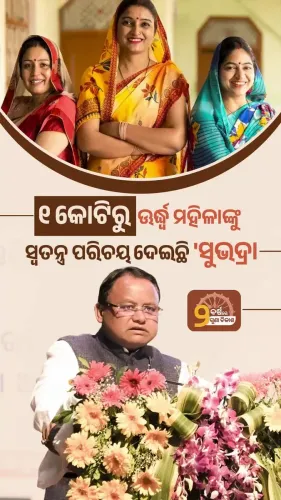
Posting in Odia on X, the Chief Minister wrote: 'ମହିଳା ସଶକ୍ତିକରଣ ପ୍ରତି ଆମ ସରକାରଙ୍କ ଦୃଢ଼ ପ୍ରତିବଦ୍ଧତାର ପ୍ରମାଣ ହେଉଛି ସୁଭଦ୍ରା ଯୋଜନା' — translating to: 'Subhadra Yojana is proof of our government's firm commitment to women's empowerment.' He added that through financial assistance, enhanced support to self-help groups, and diverse livelihood opportunities, lakhs of women are becoming self-reliant today.
Context
Subhadra Yojana is an Odisha state scheme designed to provide direct financial assistance and livelihood support to women, with a particular focus on strengthening self-help groups (SHGs). Chief Minister Majhi's post underscores the BJP-led state government's positioning of the scheme as a flagship welfare initiative. The post coincides with ongoing national attention on measurable women's income benchmarks.
Policy Backdrop
Odisha has a long history of SHG-based women's empowerment, anchored by Mission Shakti, launched in 2001, which federated women's groups across the state. The Union government's Deendayal Antyodaya Yojana – National Rural Livelihoods Mission (DAY-NRLM), scaled up from 2011, provided a national framework for sustainable rural livelihoods, later sharpened with the Lakhpati Didi target — enabling women SHG members to earn at least Rs. 1 lakh annually. Odisha's Subhadra Yojana layers state-specific cash transfers and group-strengthening support onto this national architecture.
The emphasis on 'lakhpati' income benchmarks reflects a post-2020 shift across both central and state governments toward outcome-oriented welfare metrics, a pattern visible in comparable programmes in Bihar, West Bengal, and Tamil Nadu.
Stakeholders and Impact
The primary beneficiaries are women enrolled in self-help groups and rural households across Odisha. By combining direct financial transfers with group-level capacity building, the scheme targets women who have historically had limited access to formal credit and skill development. The Lakhpati Didi Abhiyan adds a measurable income threshold, giving the programme a trackable outcome beyond enrolment numbers.
Chief Minister Majhi's post states that Odisha has achieved 'new success' in the Lakhpati Didi Abhiyan, giving women 'a new identity of financial empowerment.' Specific figures on the number of beneficiaries or targets met have not been independently verified and are not asserted here.
What's Next
Attention will now turn to the Ministry of Rural Development's next round of Lakhpati Didi progress reports, which will provide verifiable state-wise data on income gains. Odisha's annual budget allocations for Subhadra Yojana in the coming fiscal cycle will also be a key indicator of the government's sustained commitment to the programme. Analysts will watch whether the state publishes audited beneficiary counts to substantiate the progress claims made by the Chief Minister.
Point of View
Signalling that the BJP government in Odisha intends to contest the women's welfare narrative that has historically been associated with the Naveen Patnaik era. By invoking the Lakhpati Didi benchmark — a central government metric — alongside the state's own Subhadra Yojana, the government is framing its welfare record in terms of measurable income outcomes rather than enrolment alone. This outcome-oriented framing is increasingly common across BJP-governed states and serves a dual purpose: it anchors state schemes to a credible national standard while reinforcing the party's broader 'women-led development' messaging ahead of future electoral cycles. The absence of specific verified figures, however, means the political dividend will depend on how quickly the government can produce auditable data.
NationPress
22 Sept 2026
Frequently Asked Questions
What is Subhadra Yojana in Odisha?
Subhadra Yojana is an Odisha state government scheme that provides direct financial assistance and livelihood support to women, with a focus on strengthening self-help groups to promote economic self-reliance.
What is the Lakhpati Didi Abhiyan?
The Lakhpati Didi Abhiyan is a national campaign under DAY-NRLM that aims to enable women members of self-help groups to earn at least Rs. 1 lakh annually through skill development and livelihood support.
What did Odisha CM Mohan Majhi say about women's empowerment?
On 24 June 2026, CM Mohan Charan Majhi posted in Odia stating that Subhadra Yojana is proof of his government's firm commitment to women's empowerment, and that lakhs of women are becoming self-reliant through financial aid and SHG support.
What is Mission Shakti in Odisha?
Mission Shakti is an Odisha government initiative launched in 2001 to federate and support women's self-help groups across the state, forming the foundation of the state's women's empowerment architecture.
How does Odisha's women's welfare scheme compare with other states?
Odisha's model of combining state cash transfers with SHG strengthening under a national NRLM framework is broadly similar to approaches adopted in Bihar, West Bengal, and Tamil Nadu, with the Lakhpati Didi benchmark providing a common measurable standard across states.