CM Majhi: Women Are Architects of a Developed Odisha
Synopsis
Odisha Chief Minister Mohan Charan Majhi, marking two years of BJP rule, hailed women as the 'principal charioteer' of a developed Odisha and spotlighted the Subhadra Yojana for enabling female self-reliance in animal husbandry, small businesses, and self-employment.
Key Takeaways
Mohan Charan Majhi posted on 27 June 2026 , marking two years of the BJP-led government in Odisha.
He described women as the 'principal charioteer' in building a developed Odisha, not merely development partners.
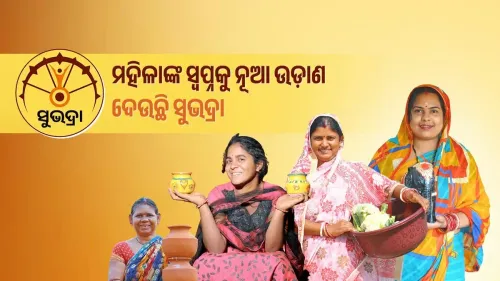
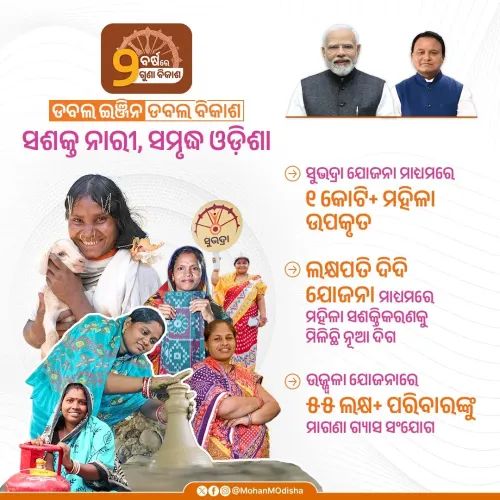
The Subhadra Yojana is the state's flagship scheme supporting women in animal husbandry, small businesses, and self-employment .
The scheme builds on Mission Shakti , Odisha's women's self-help group programme launched in 2001 .
The BJP government came to power in Odisha in June 2024 , ending over two decades of BJD rule.
Budget allocations for Subhadra Yojana in 2026-27 and independent beneficiary assessments are key markers to watch.
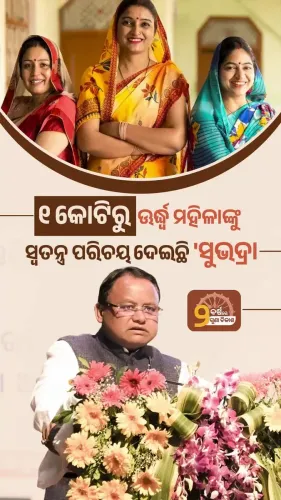
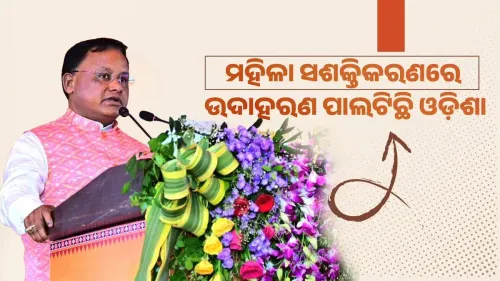
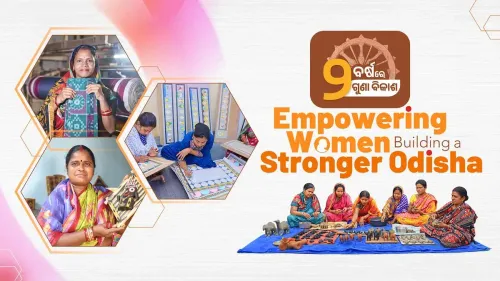
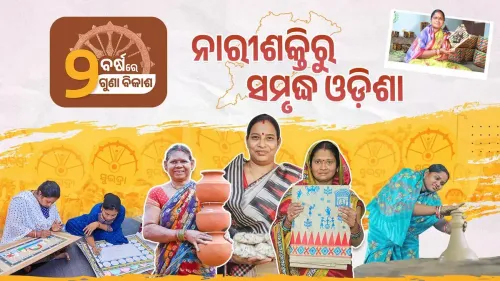
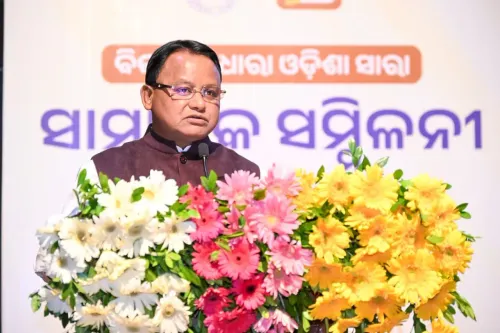
Odisha Chief Minister Mohan Charan Majhi on Saturday, 27 June 2026, reaffirmed his government's commitment to women's economic empowerment, stating that women are not merely partners in development but the primary drivers of a developed Odisha. The remarks came as the state marks two years of the BJP-led 'Lok Sarkar' government, with the Chief Minister highlighting the Subhadra Yojana as a transformative vehicle for female self-reliance.
Context
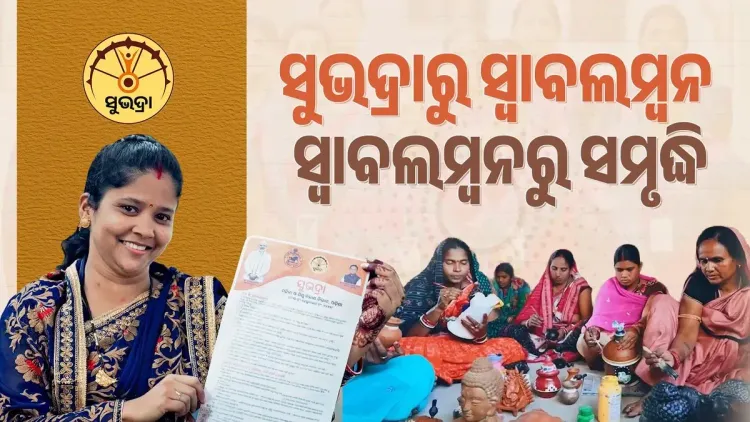
Posting in Odia, Chief Minister Majhi wrote: 'ଲୋକଙ୍କ ସରକାରରେ ମାତୃଶକ୍ତି କେବଳ ବିକାଶର ସହଭାଗୀ ନୁହେଁ, ବରଂ ବିକଶିତ ଓଡ଼ିଶା ଗଠନର ପ୍ରମୁଖ ସାରଥୀ' — ('In the people's government, women's power is not merely a partner in development, but the principal charioteer in building a developed Odisha'). He added that through the Subhadra Yojana, women are writing new chapters of success in animal husbandry, small businesses, and self-employment. The post carried the hashtags #2YearsofLokankaSarakar and #BikasharaDharaOdishaSara, signalling a deliberate anniversary communication drive.
The BJP swept to power in Odisha in June 2024, ending over two decades of Biju Janata Dal rule. Mohan Charan Majhi was sworn in as Chief Minister, with women's welfare and economic inclusion forming a central plank of the new administration's agenda.
Policy Backdrop
The Subhadra Yojana is the state government's flagship direct-benefit scheme aimed at enabling women to achieve financial self-reliance through support for livestock rearing, micro-enterprises, and self-employment. It builds on the institutional groundwork laid by Mission Shakti, Odisha's pioneering women's self-help group programme launched in 2001, which organised lakhs of rural women into credit and livelihood networks.
The current government has positioned Subhadra Yojana as a step beyond group-based credit access, channelling direct benefits to individual women beneficiaries. This approach mirrors gender-targeted cash-transfer and livelihood programmes rolled out by BJP-led governments in other states, framing women's empowerment as both a welfare priority and a development cornerstone.
Stakeholders and Impact
Rural women, women entrepreneurs, and self-help group members across Odisha are the primary beneficiaries of the scheme. By targeting sectors such as goat and cattle rearing, small trade, and home-based enterprise, the programme aims to integrate women into the formal economic mainstream at the grassroots level.
The emphasis on animal husbandry is particularly significant for Odisha, where a large share of rural livelihoods depend on agriculture and allied activities. Expanding women's access to these sectors through institutional support can have multiplier effects on household income and food security.
What's Next
With the government completing two years in office, attention will turn to the 2026-27 state budget allocations for the Subhadra Yojana and independent assessments of beneficiary uptake across districts. The scale and pace of implementation in animal husbandry and micro-enterprise sectors will be key indicators of the scheme's on-ground reach.
As Odisha charts its development trajectory under BJP governance, the government's ability to translate women-centric policy announcements into measurable economic outcomes will define both its welfare record and its political positioning ahead of future electoral cycles.
Point of View
A messaging shift that distinguishes the BJP's Odisha narrative from its predecessor's paternalistic approach. The Subhadra Yojana slots into a broader BJP playbook of gender-targeted direct-benefit transfers seen across Madhya Pradesh and other states, blending welfare delivery with electoral outreach. By invoking the 'Lok Sarkar' brand and the 'Bikashit Odisha' vision together, the government is consciously building a two-year legacy narrative around women's empowerment. Whether that narrative holds will depend on verifiable implementation data that independent evaluations have yet to fully establish.
NationPress
25 Sept 2026
Frequently Asked Questions
What is the Subhadra Yojana in Odisha?
The Subhadra Yojana is an Odisha government scheme that provides financial support to women for self-employment, livestock rearing, and small businesses, aiming to promote economic self-reliance among women across the state.
Who is Mohan Charan Majhi?
Mohan Charan Majhi is the Chief Minister of Odisha and a BJP leader who assumed office in June 2024 after the party won the Odisha state assembly elections, ending over two decades of BJD rule.
What is Mission Shakti in Odisha?
Mission Shakti is Odisha's flagship women's self-help group programme launched in 2001, which organised lakhs of rural women into self-help groups for credit access and livelihood support, forming the institutional base for later schemes like Subhadra Yojana.
What does '2 Years of Lok Sarkar' mean in Odisha?
'Lok Sarkar' or 'people's government' is the BJP-led Odisha government's self-descriptor since coming to power in June 2024. The hashtag #2YearsofLokankaSarakar marks the completion of two years in office as of June 2026.
How does Subhadra Yojana help women in animal husbandry?
Under the Subhadra Yojana, women beneficiaries receive support to engage in livestock rearing such as goat and cattle farming, helping them generate independent income and integrate into the agricultural economy at the grassroots level.