CM Dhami launches Baini-Bhuli Yojana for women's economic empowerment
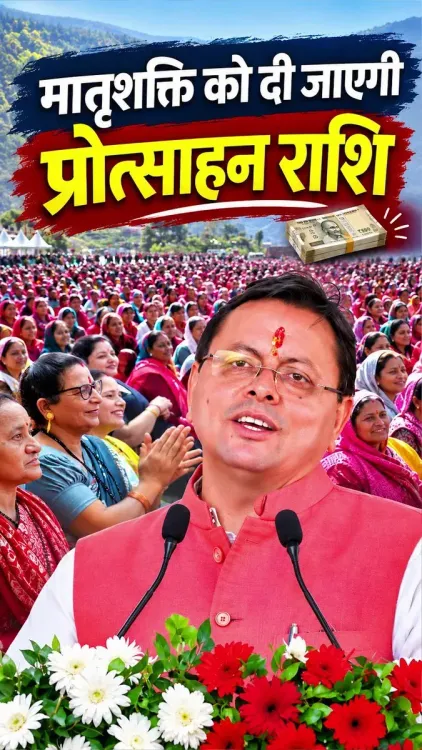
Synopsis
Uttarakhand CM Pushkar Singh Dhami announced the Baini-Bhuli Yojana on 21 November 2026, positioning it as a foundational scheme for the economic empowerment of women in the state, extending the government's focus on female financial inclusion since 2021.
Key Takeaways
Pushkar Singh Dhami announced the Baini-Bhuli Yojana on 21 November 2026 via X.
The scheme is framed as the 'foundation of economic empowerment' for Matri Shakti — women of Uttarakhand.
The name Baini-Bhuli means 'sisters and daughters' in Garhwali/Kumaoni, rooting the policy in local cultural identity.
Uttarakhand under Dhami has promoted women's self-help groups and financial inclusion since 2021 .
Exact provisions, launch date, and budget allocation have not yet been officially notified.
High male out-migration in Uttarakhand makes women-centric economic schemes particularly consequential for rural households.
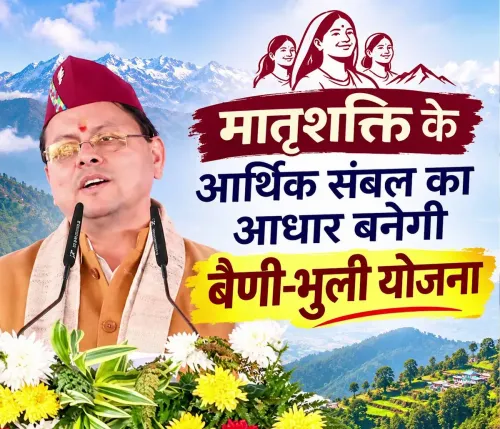
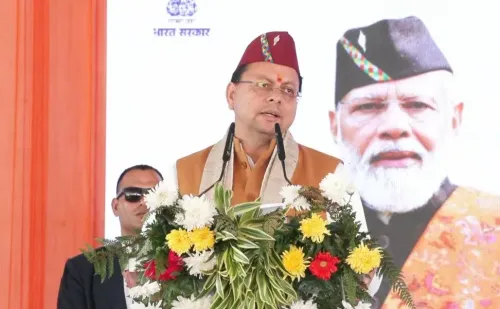
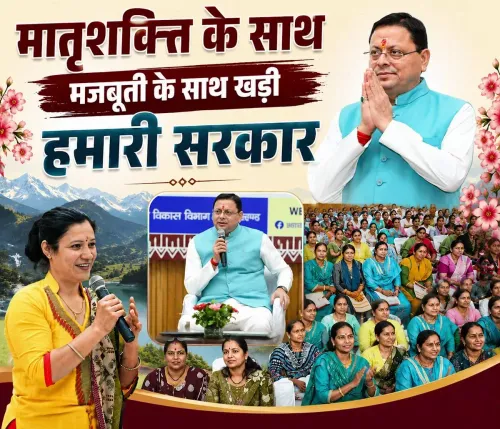
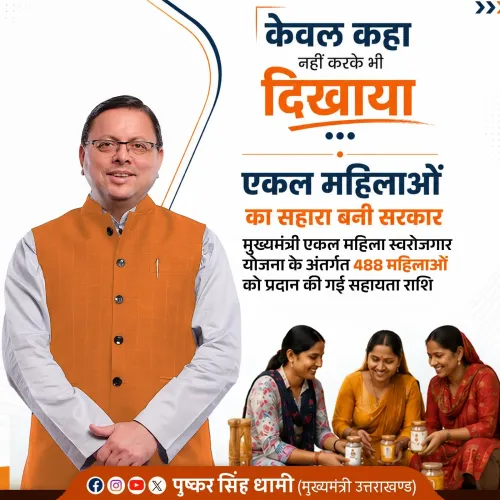
A new welfare scheme aimed squarely at the economic futures of Uttarakhand's women is taking shape — and Uttarakhand Chief Minister Pushkar Singh Dhami is positioning it as a foundational pillar for female financial independence in the hill state. On Saturday, 21 November 2026, Dhami announced the Baini-Bhuli Yojana via a post on X, describing it as the bedrock of economic empowerment for Matri Shakti (the power of mothers — a phrase BJP governments use to collectively refer to women citizens).
What the Baini-Bhuli Yojana signals for Uttarakhand's women
The scheme's name itself carries cultural weight: Baini-Bhuli translates roughly to 'sisters and daughters' in the local Garhwali and Kumaoni vernacular — an intentional framing that roots the policy in familial kinship rather than bureaucratic abstraction. Dhami's post reads: 'मातृशक्ति के आर्थिक सशक्तिकरण का आधार बनेगी बैणी-भुली योजना' — 'The Baini-Bhuli Yojana will become the foundation of economic empowerment of Matri Shakti.'
The announcement arrives as Uttarakhand continues to build out a portfolio of women-centric schemes under the Dhami government. Since 2021, the state has pushed women's self-help groups and financial inclusion measures as twin levers for rural household income. The Baini-Bhuli Yojana appears to extend that arc, though specific provisions, budget allocation, and an operational rollout date have not yet been officially notified.
Women-first welfare as a BJP state playbook
This announcement fits a recognisable pattern across BJP-governed states: targeted schemes that connect women's welfare directly to economic participation — moving beyond cash transfers toward longer-term financial agency. Across India, similar state-level initiatives have channelled support through micro-enterprises and self-help group networks, gradually integrating rural women into formal or semi-formal economic structures.
For Uttarakhand — a state with significant male out-migration, leaving women as de facto managers of rural households and agriculture — a scheme explicitly anchored in economic empowerment addresses a structural reality on the ground. The question now is in the details: how the Baini-Bhuli Yojana will be funded, administered, and monitored will determine whether the announcement translates into measurable change for women in Dehradun, Pauri, Almora, and beyond.
All eyes shift to the upcoming state assembly session and official government notifications for the scheme's operational blueprint. For Uttarakhand's women, the foundation has been announced — now comes the construction.
Point of View
The scheme's cultural branding in local dialect signals an attempt to deepen grassroots connect in a state where women shoulder outsized economic responsibility due to male out-migration. The real test will be implementation: Dhami's government has announced women-centric measures before, and the Baini-Bhuli Yojana's credibility will rest on whether binding budget commitments and monitoring mechanisms follow the announcement. If operationalised robustly, it could serve as a replicable template for other hill states facing similar demographic and economic pressures.
NationPress
21 Nov 2026
Frequently Asked Questions
What is the Baini-Bhuli Yojana?
The Baini-Bhuli Yojana is a welfare scheme announced by Uttarakhand Chief Minister Pushkar Singh Dhami, aimed at providing the foundation for the economic empowerment of women in the state. The name means 'sisters and daughters' in the local Garhwali and Kumaoni dialects.
Who will benefit from the Baini-Bhuli Yojana?
The scheme targets women of Uttarakhand, particularly rural women and those associated with self-help groups and household economic activities, referred to collectively as Matri Shakti by the state government.
When was the Baini-Bhuli Yojana announced?
Chief Minister Pushkar Singh Dhami announced the Baini-Bhuli Yojana on 21 November 2026 through a post on X. Operational details and an official launch date had not been notified at the time of the announcement.
How does the Baini-Bhuli Yojana fit into Uttarakhand's existing women welfare programmes?
Since 2021, the Dhami government has promoted women's self-help groups and financial inclusion initiatives in Uttarakhand. The Baini-Bhuli Yojana appears to extend this policy direction by positioning economic empowerment as a formal state commitment for women.
What are the next steps for the Baini-Bhuli Yojana?
The specific provisions, budget allocation, and implementation guidelines for the Baini-Bhuli Yojana are expected to be detailed in upcoming state assembly sessions or through official government notifications.