CM Dhami: Baini-Bhuli Yojana to aid 5 lakh Uttarakhand women
Synopsis
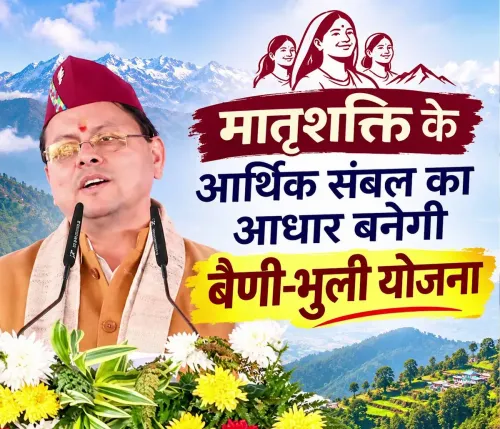
Chief Minister Pushkar Singh Dhami has announced the Baini-Bhuli Yojana, a state welfare scheme promising economic assistance to five lakh women in Uttarakhand. Operational details including eligibility norms and disbursement mechanisms are yet to be formally notified.
Key Takeaways
The Baini-Bhuli Yojana is a new Uttarakhand government scheme announced by CM Pushkar Singh Dhami on 18 November 2026 .
The scheme aims to provide economic assistance to five lakh women across the state.
The scheme's name draws from local Garhwali and Kumaoni vernacular, signalling a focus on women in remote hill communities.
Eligibility criteria, disbursement mechanism and budget provisions have not yet been formally notified.
The announcement fits a broader national pattern of state governments launching targeted financial support programmes for women.
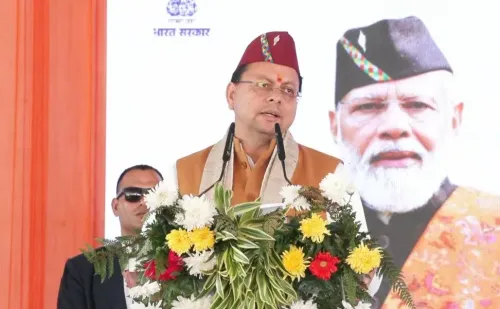
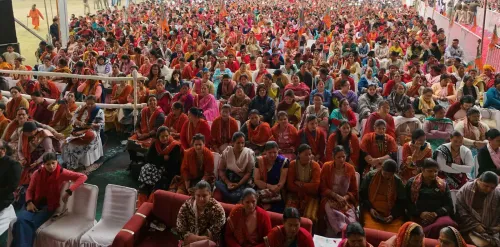
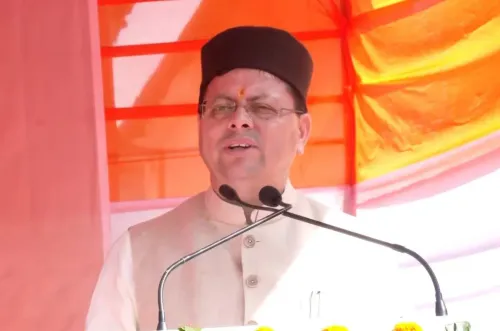
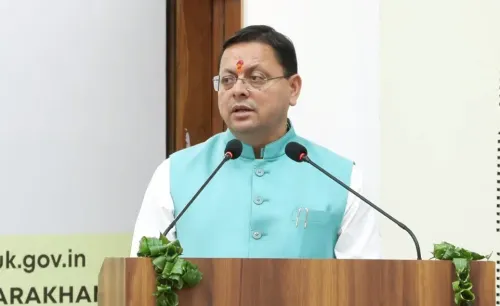
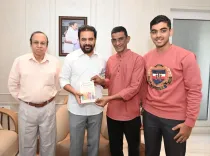
Five lakh women in Uttarakhand are set to receive direct economic assistance under a new state scheme — and Chief Minister Pushkar Singh Dhami is making it the centrepiece of his government's gender welfare push. The Chief Minister's Office of Uttarakhand announced on Wednesday, 18 November 2026 that the 'Baini-Bhuli Yojana' will deliver financial support to women across the state, with Dhami personally championing the rollout.
What the 'Baini-Bhuli' name signals
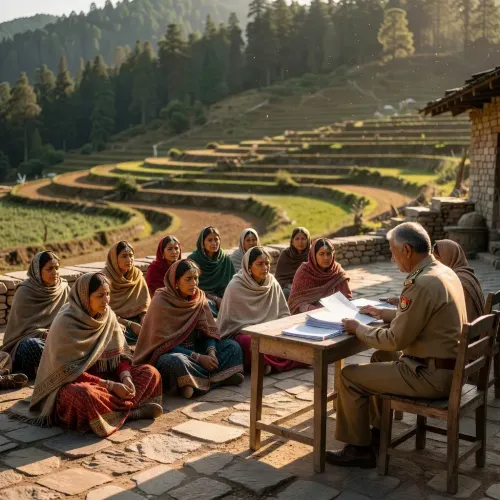
The scheme's name itself carries cultural weight. 'Baini-Bhuli' — roughly translating to 'sisters, forgotten no more' in the local Garhwali and Kumaoni vernacular — signals an explicit acknowledgement that women in Uttarakhand's hilly, often remote communities have historically been underserved by mainstream welfare architecture. By anchoring the scheme's identity in a term of familial affection, the Dhami government is reaching directly for an emotional and political register that resonates with the state's predominantly rural women voters.
Five lakh beneficiaries — and what comes next
The stated beneficiary figure of five lakh women is the headline number — but the operational detail is what will determine real-world impact. Eligibility norms, disbursement mechanisms (direct bank transfer, self-help group linkage, or voucher-based support), and the scheme's provision within the Uttarakhand state budget remain to be formally notified. Indian states have a well-documented track record of announcing women-focused financial assistance programmes ahead of electoral cycles, and observers will watch closely for a gazette notification that pins down the specifics.
Dhami, who has led Uttarakhand since 2021, has consistently positioned social welfare — particularly for women in the hills — as a governance priority. Schemes targeting women's economic empowerment through direct support have become a competitive arena across Indian states, from Maharashtra to Telangana, as chief ministers look to convert welfare delivery into durable political goodwill.
The bigger picture for hill-state welfare
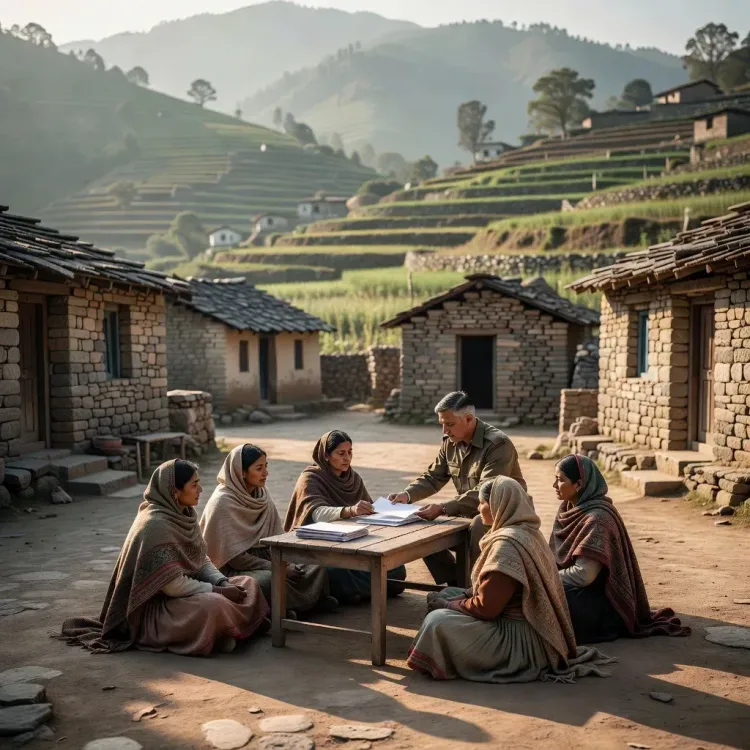
Uttarakhand's geography makes welfare delivery uniquely challenging — dispersed mountain villages, low banking penetration in interior zones, and high male out-migration mean women often run households with minimal formal income. A scheme that successfully reaches five lakh such women would be genuinely consequential. The question is implementation architecture: whether the Baini-Bhuli Yojana rides on existing self-help group networks, Aadhaar-linked DBT rails, or creates a parallel delivery channel will shape both its reach and its speed.
The announcement sets an expectation. The ground-level rollout — criteria, timelines, first disbursements — will tell the real story of whether Uttarakhand's forgotten sisters are, this time, truly remembered.
Point of View
The scheme's credibility will hinge on whether it leverages existing DBT infrastructure or risks fragmentation through a parallel delivery chain. Dhami's framing of the scheme through a culturally resonant local-language name is a deliberate political choice, signalling an attempt to deepen the BJP's footprint in hill communities where state presence has historically been thin. The five lakh beneficiary figure will need a gazette notification and budget line to graduate from announcement to policy.
NationPress
18 Nov 2026
Frequently Asked Questions
What is the Baini-Bhuli Yojana in Uttarakhand?
The Baini-Bhuli Yojana is a welfare scheme announced by Uttarakhand Chief Minister Pushkar Singh Dhami to provide economic financial assistance to five lakh women in the state. Detailed eligibility and disbursement norms are yet to be officially notified.
How many women will benefit from the Baini-Bhuli Yojana?
Chief Minister Dhami has stated that five lakh women will receive economic assistance under the Baini-Bhuli Yojana.
What does 'Baini-Bhuli' mean?
'Baini-Bhuli' is drawn from the local Garhwali and Kumaoni vernacular of Uttarakhand, roughly meaning 'sisters, forgotten no more', reflecting the scheme's focus on women who have been underserved by formal welfare systems.
Who announced the Baini-Bhuli Yojana?
Uttarakhand Chief Minister Pushkar Singh Dhami announced the Baini-Bhuli Yojana on 18 November 2026 through the official Chief Minister's Office account.
How will money be distributed under the Baini-Bhuli Yojana?
The disbursement mechanism — whether through direct bank transfer, self-help group linkages, or another channel — has not yet been formally notified by the Uttarakhand government.