Giriraj Singh highlights Himachal crafts at IITF 2026
Synopsis
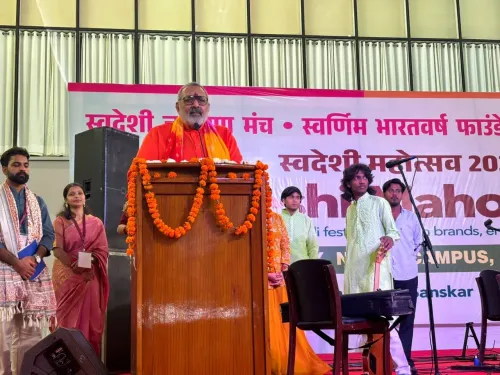
Union Textiles Minister Giriraj Singh on 18 November 2026 spotlighted Himachal Pradesh's participation at IITF 2026, highlighting GI-tagged Kullu shawls, hill produce, and women-led artisan enterprises gaining national market exposure at Pragati Maidan, New Delhi.
Key Takeaways
Union Textiles Minister Giriraj Singh highlighted Himachal Pradesh's showcase at IITF 2026 in New Delhi on 18 November 2026 .
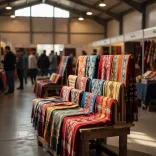
Kullu shawls , which received Geographical Indication status in 2004 , are among the featured products at the fair.
The minister specifically called out women entrepreneurs and weavers as central to Himachal's craft identity.
IITF, organised by ITPO at Pragati Maidan , has hosted state handloom pavilions as part of national textile development policy for over two decades.
The showcase aims to create market linkages for GI-tagged, rural-produced goods that have limited access to national buyers otherwise.
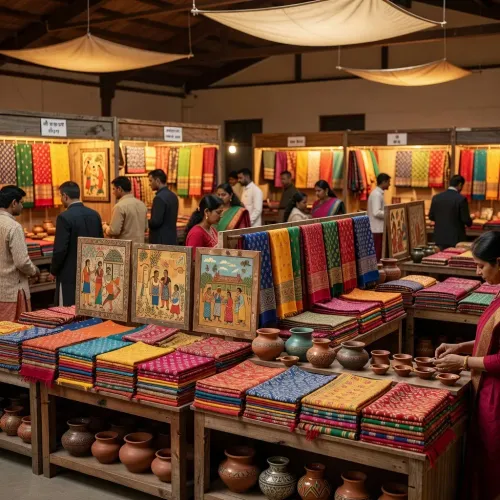
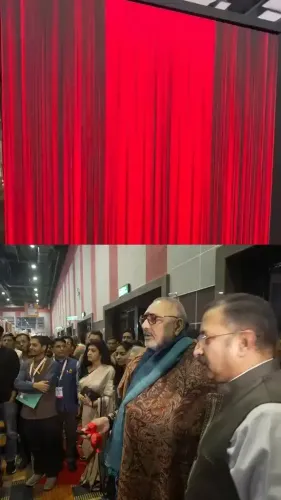
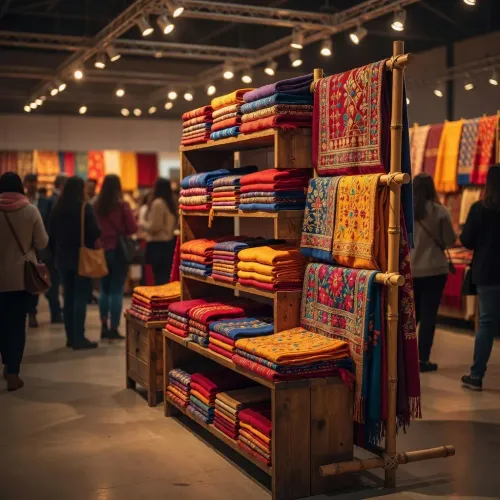
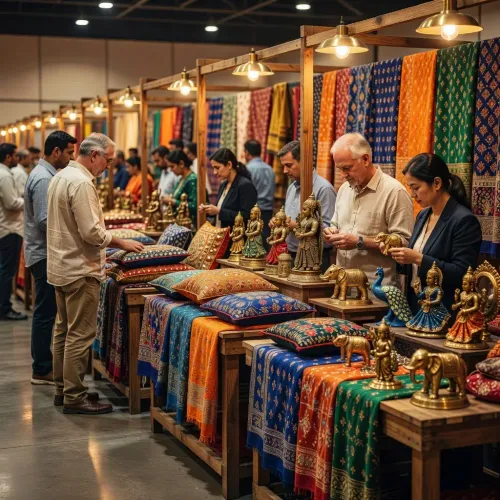
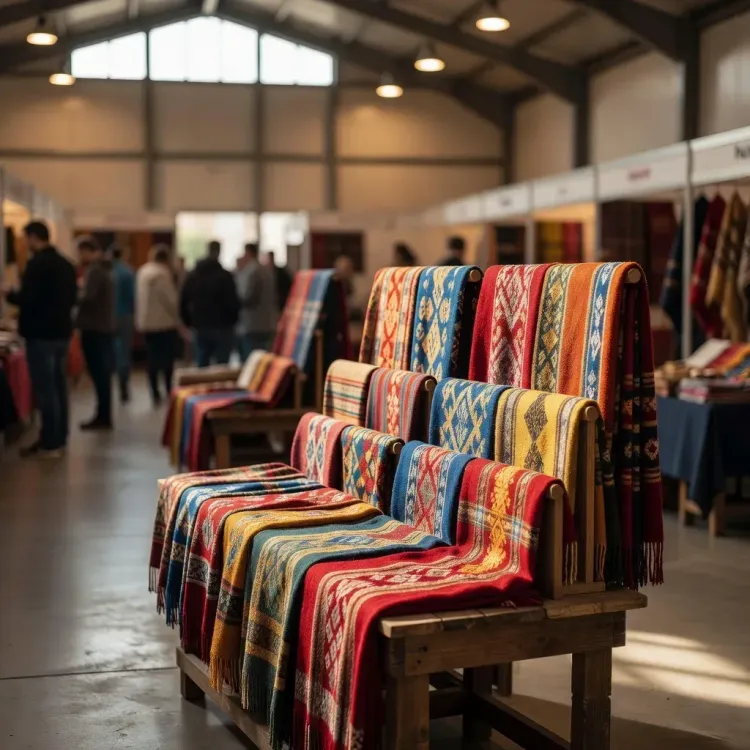
Kullu's hand-woven woollen shawls — carrying a Geographical Indication tag since 2004 — are sharing a national stage at IITF 2026 in New Delhi with the full range of Himachal Pradesh's hill produce and artisan work. Union Textiles Minister Giriraj Singh spotlighted the state's participation on Wednesday, 18 November 2026, calling the fair a critical platform for local weavers, craftspeople, and women entrepreneurs.
Posting in Hindi, the Minister wrote: 'कुल्लू की पारंपरिक शॉलों से लेकर पहाड़ी उत्पादों तक, IITF 2026 में हिमाचल की समृद्ध विरासत और स्थानीय प्रतिभा को राष्ट्रीय मंच मिल रहा है।' — 'From the traditional shawls of Kullu to hill products, Himachal's rich heritage and local talent are getting a national platform at IITF 2026.' He added that the platform was 'important in giving new identity to local products and new opportunities to artisans.'
Kullu's GI shawls and the fair's promotion logic
The India International Trade Fair, organised annually by the India Trade Promotion Organisation (ITPO) at Pragati Maidan, New Delhi, has long served as the country's most visible domestic showcase for state-specific textiles and crafts. Hill and northeastern region clusters — often producing low-volume, high-skill goods — depend on such national-level exposure to build buyer networks they cannot easily reach through local markets alone.
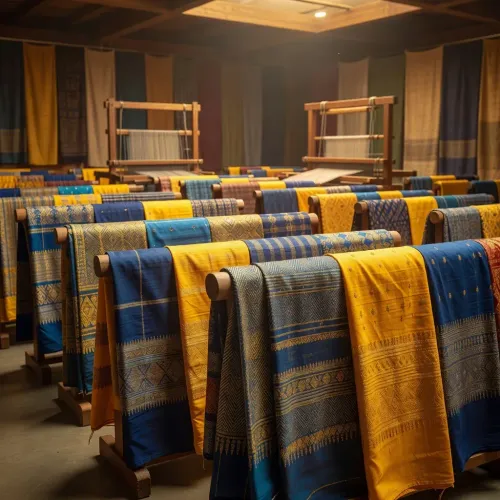
Kullu shawls, woven on traditional pit-looms using local wool, earned their GI tag to protect the craft from imitation and to certify authenticity for buyers. That protection matters most when the product travels beyond its home district — exactly the journey IITF enables. The Ministry of Textiles has maintained state handloom and handicraft pavilions at the fair across successive five-year plan periods, embedding the showcase into national textile development policy.
Women artisans and the market-linkage gap
Giriraj Singh's specific mention of women entrepreneurs tracks with a wider pattern in Indian handloom policy: a large share of Himachal's artisan workforce — particularly in weaving and hill-craft production — is female, working in home-based or cooperative settings with limited direct market access. A fair like IITF compresses that distance, putting finished product in front of bulk buyers, government procurement officers, and export intermediaries in a single venue.
The Ministry of Textiles has used buyer-seller meets and cluster showcases at past IITF editions to generate order pipelines for rural artisan groups. For Himachal Pradesh's weavers, whose work is seasonal and closely tied to wool availability from local pastoralists, those orders can determine whether the craft is economically viable for the next generation.
The national spotlight on a GI-certified, women-led craft economy is not ceremonial — it is the difference between a living tradition and a museum exhibit.
Point of View
GI-protected crafts that struggle to self-market. By naming women entrepreneurs explicitly, the Minister signals alignment with rural employment and women's livelihood goals central to current handloom policy. The Kullu shawl cluster is a test case for whether GI protection, when paired with market access interventions, can sustain traditional craft economies in hill regions facing competition from machine-made alternatives. The broader question is whether IITF-led visibility translates into durable annual order books or remains a one-week spotlight.
NationPress
18 Nov 2026
Frequently Asked Questions
What is IITF and why does it matter for Indian artisans?
IITF, the India International Trade Fair, is an annual event held at Pragati Maidan in New Delhi, organised by the India Trade Promotion Organisation. It gives artisans, weavers, and state enterprises direct access to bulk buyers, procurement officials, and export intermediaries — market connections that are difficult to build independently from rural or hill locations.
What makes Kullu shawls special and do they have GI protection?
Kullu shawls are hand-woven on traditional pit-looms using local wool in Himachal Pradesh's Kullu district, known for distinctive geometric patterns. They received Geographical Indication registration in 2004, protecting the authentic product from imitation and certifying provenance for buyers.
What did Giriraj Singh say about Himachal Pradesh at IITF 2026?
Union Textiles Minister Giriraj Singh posted on 18 November 2026 that Himachal Pradesh's traditional craftsmanship, weavers' skills, and women entrepreneurs' talent are being showcased at IITF 2026, calling the platform important for giving new identity to local products and new opportunities to artisans.
How does the Ministry of Textiles support state handloom promotion?
The Ministry of Textiles has maintained state handloom and handicraft pavilions at IITF across successive five-year plan periods. It also supports GI registration for craft clusters, facilitates buyer-seller meets, and runs handloom development programmes aimed at rural employment.
Why are women artisans central to Himachal Pradesh's craft economy?
A large share of Himachal's weaving and hill-craft workforce is female, working in home-based or cooperative settings. Platforms like IITF help bridge their limited direct market access, potentially generating order pipelines that make the craft economically viable across generations.