Giriraj Singh champions weavers at IITF 2026 heritage pavilion
Synopsis
Union Textiles Minister Giriraj Singh used the 'Vikas aur Virasat' pavilion at IITF 2026 at Pragati Maidan, New Delhi, to reaffirm the government's commitment to giving India's handloom weavers and handicraft artisans formal market access and lasting recognition for their craft.
Key Takeaways
Union Textiles Minister Giriraj Singh highlighted the 'Vikas aur Virasat' pavilion at IITF 2026 on 17 November 2026 .
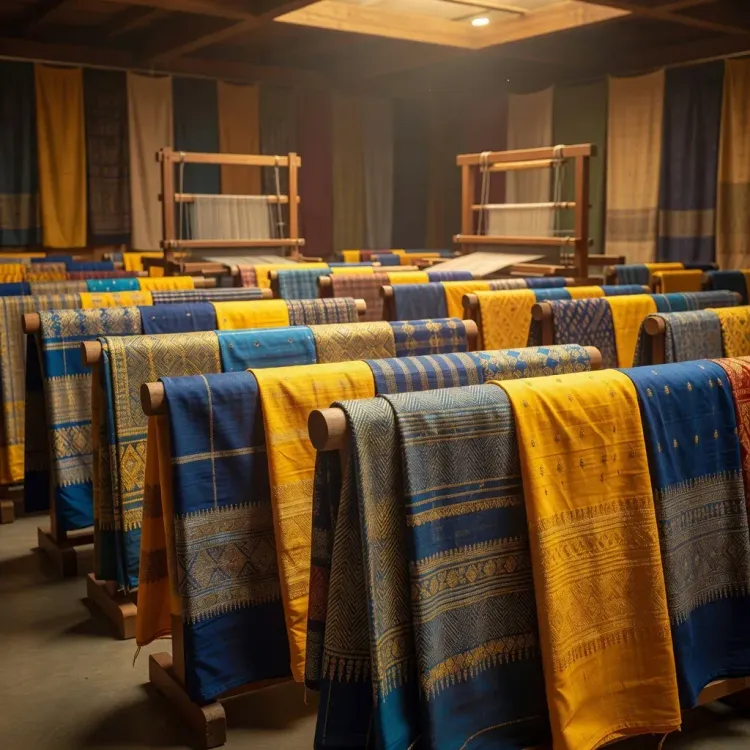
The pavilion is themed around providing market access and new identity to India's handloom and handicraft traditions.
The fair is held annually at Pragati Maidan, New Delhi , and the Ministry of Textiles has participated for decades to promote artisan welfare and exports.
India's handloom sector is among the largest employers in the country after agriculture, with clusters spanning Varanasi, Pochampally, Sualkuchi, and Kutch .
Singh pledged that weavers and craftspeople would receive both recognition and tangible economic opportunity for their labour.
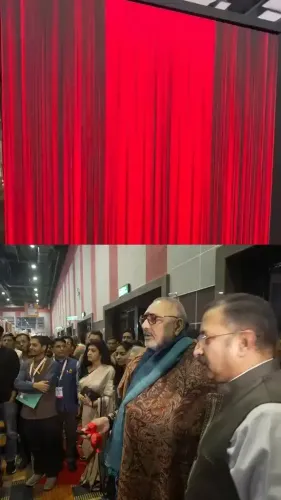
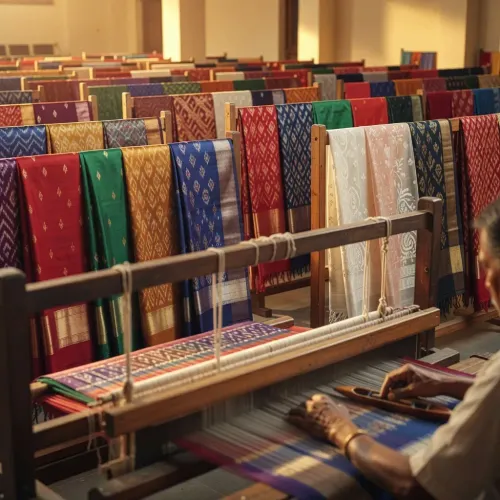
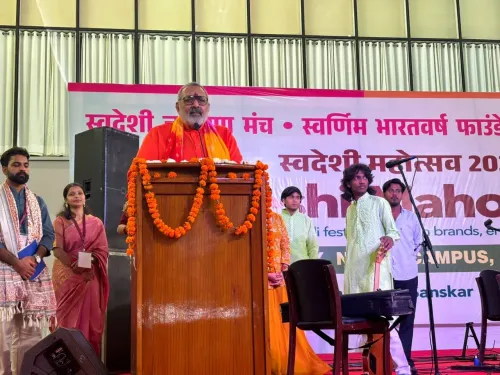
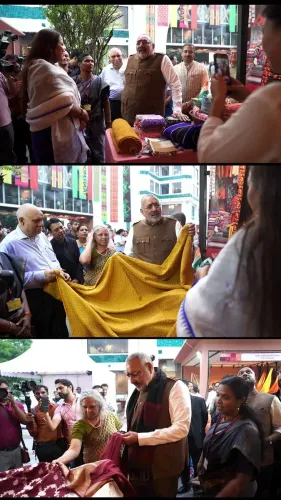
India's handloom and handicraft traditions — built on the hands of millions of weavers and artisans across every state — stepped into the marketplace on Tuesday, 17 November 2026, as Union Textiles Minister Giriraj Singh spotlighted the 'Vikas aur Virasat' (Development and Heritage) pavilion at the India International Trade Fair 2026 in Pragati Maidan, New Delhi.
Posting on X alongside images from the fair, the minister wrote — 'भारत की हथकरघा और हस्तशिल्प परंपरा हमारी समृद्ध सांस्कृतिक विरासत और कारीगरों के हुनर की पहचान है' — 'India's handloom and handicraft tradition is the identity of our rich cultural heritage and the skill of our artisans.' He described the pavilion as 'a meaningful effort to give this heritage a new identity and market access,' and pledged that the country's weavers and craftspeople would receive both recognition and opportunity for their labour.
What the 'Vikas aur Virasat' pavilion stands for at IITF 2026
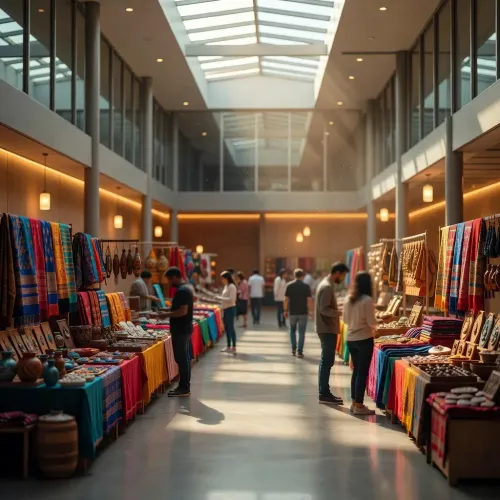
The India International Trade Fair, held annually at Pragati Maidan, is one of the country's most prominent commercial platforms, drawing buyers, exporters, and government exhibitors from across India. The Ministry of Textiles has used the fair for decades as a stage to channel domestic and export interest toward handloom clusters and craft belts that rarely get direct retail exposure. This year's thematic 'Vikas aur Virasat' pavilion sharpens that intent — framing heritage not as museum-worthy preservation but as a live commercial asset deserving of formal trade channels.
The dual mandate embedded in the pavilion's name is deliberate: vikas (development) for the artisan's income and market reach, virasat (heritage) for the craft's cultural continuity. It is a pairing successive governments have attempted, but the execution — buyer-seller meets, retail tie-ups, digital cataloguing — determines whether the fair's footfall translates into sustained orders for weavers back in their districts.
The artisans at the centre of the pledge
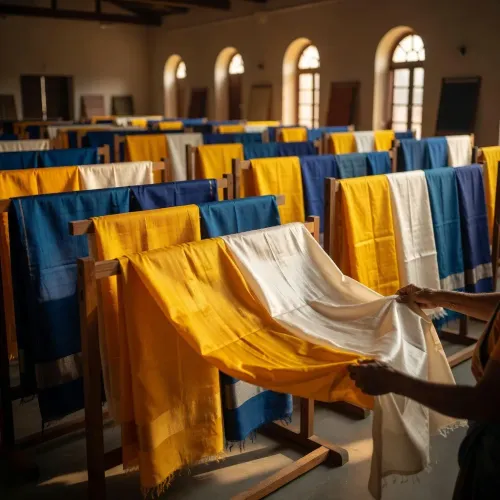
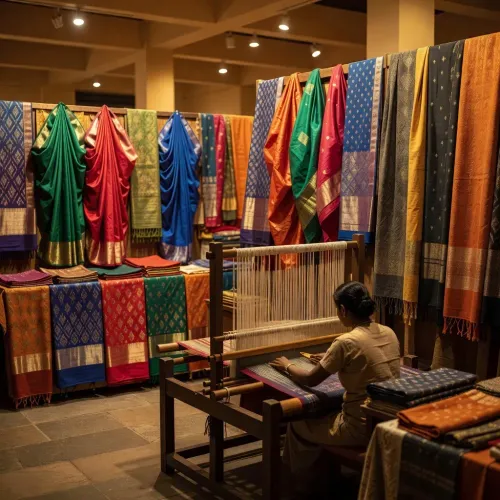
India's handloom sector is one of the largest employers in the country after agriculture, sustaining weavers across clusters from Varanasi to Pochampally, Sualkuchi to Kutch. Handicraft artisans — wood carvers, metal workers, embroiderers — form an equally vast, largely informal workforce whose earnings remain vulnerable to middlemen and shifting consumer trends. Trade fair platforms like IITF offer a rare direct bridge between craft producer and urban buyer, a gap the ministry's pavilion strategy explicitly tries to close.
Minister Singh's statement underlines that the government's commitment extends beyond exhibition space — the language of 'respect' and 'opportunity' signals an intent to address the structural gaps in pricing, market linkage, and social recognition that artisan communities have long flagged.
The proof, as always, will be in the orders placed and the follow-through long after the fair's gates close.
Point of View
But the 'Vikas aur Virasat' branding signals a conscious effort to pitch cultural heritage as an economic growth story — not mere nostalgia. For Giriraj Singh, whose portfolio covers a sector that employs tens of millions but commands a fraction of formal retail, the trade fair is both a policy tool and a political statement about artisan dignity. The real test lies beyond the pavilion: whether IITF 2026 produces measurable buyer commitments, and whether the ministry channels those into sustained procurement or export pipelines for weaver clusters. If it does, the 'development plus heritage' framing could become a durable electoral and policy asset for the BJP in craft-intensive states.
NationPress
17 Nov 2026
Frequently Asked Questions
What is the 'Vikas aur Virasat' pavilion at IITF 2026?
The 'Vikas aur Virasat' (Development and Heritage) pavilion is a thematic exhibit at the India International Trade Fair 2026 at Pragati Maidan, New Delhi, focused on giving India's handloom and handicraft traditions formal market access and wider recognition.
What did Giriraj Singh say about the IITF 2026 handloom pavilion?
Union Textiles Minister Giriraj Singh described the pavilion as a meaningful effort to provide new identity and market opportunities to India's weaving and craft heritage, pledging that artisans would receive proper respect and opportunity for their skills.
Where is IITF 2026 being held?
The India International Trade Fair 2026 is held at Pragati Maidan in New Delhi, the same venue that has hosted the annual fair for decades.
How does IITF help handloom weavers and handicraft artisans?
IITF provides a direct platform for artisans and weaver clusters to reach urban buyers and exporters, bypassing middlemen and enabling formal trade linkages that can translate into sustained orders.
Which handloom clusters are significant in India?
Major handloom and handicraft clusters include Varanasi (Uttar Pradesh), Pochampally (Telangana), Sualkuchi (Assam), and Kutch (Gujarat), among many others spread across the country.